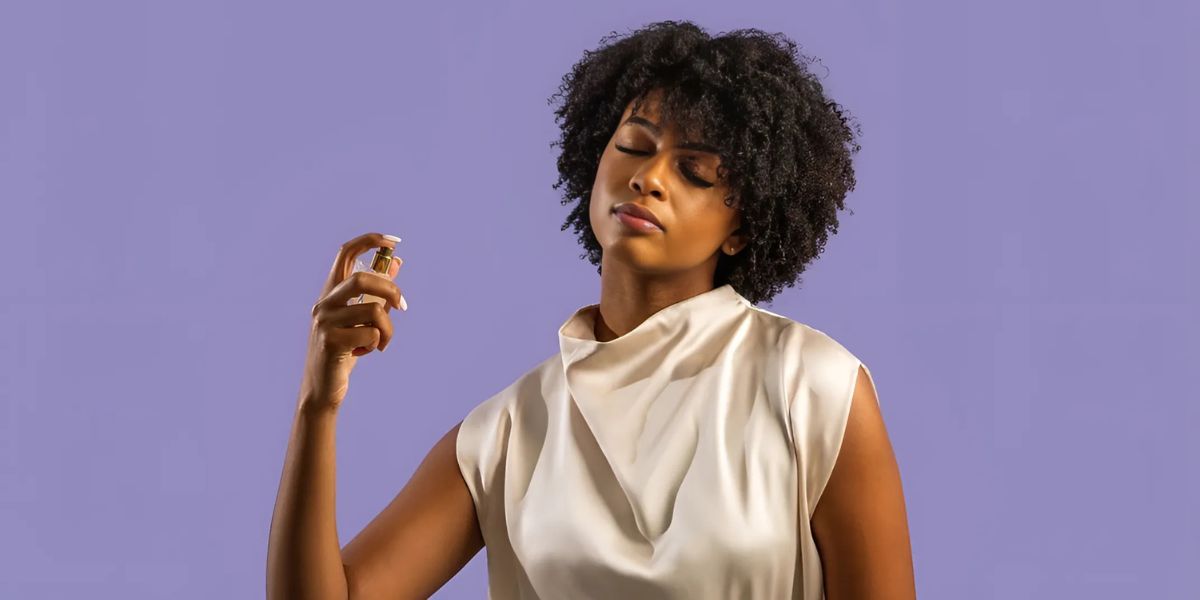


Have you ever noticed how a familiar scent can sometimes transport you to a cherished memory or shift your entire mood? Luxury fragrances are increasingly being recognized as more than accessories—they may contribute to daily wellness routines, helping transform ordinary moments into more meaningful experiences.
As awareness grows around the connection between scent and emotional well-being, a growing number of people are incorporating high-end fragrances into intentional self-care practices.
Evolving Role of Luxury Perfumes in Wellness
High-end fragrances have gradually moved from occasional indulgences toward becoming part of personal self-care rituals.
The increasing popularity of scents like the sensual Parfums de Marly illustrate how some consumers are adopting luxury fragrances as part of their wellness strategies. This trend suggests a broader interest in how fragrance can influence daily routines and mood.
The fragrance industry’s expansion reflects this shift in perception, where sensory experiences are becoming a valued component of personal well-being.
Fragrances are being used in new ways to support everyday mindfulness, such as:
- Morning rituals with carefully selected scents
- Slow, mindful application to reduce tension
- Evening routines that signal the end of a busy day
- Signature scents that may boost confidence in professional or social settings
These evolving practices suggest that luxury fragrances can contribute to self-awareness and emotional regulation rather than merely serving as adornments.
Regional Trends and Global Growth
The global fragrance market has seen noteworthy changes, with regions like North America and Asia showing strong interest in premium scents.
Data from the National Library of Medicine illustrates a regional breakdown of fragrance demand, revealing that cultural preferences play a role in shaping the kinds of scents embraced in different markets.
Local fragrance brands are blending traditional influences with global trends, fostering diverse expressions of scent culture worldwide.
Personal Meaning and Emotional Connection
Luxury fragrance adoption also aligns with a deeper exploration of identity and emotional expression. Rather than simply selecting a scent for aroma alone, many users now associate certain perfumes with memories, moods, and aspirations.
Jean-Jacques Rousseau once noted that:
“Smell is the sense of memory and desire.”
This perspective reflects how a fragrance can evoke an emotional response or even serve as a personal signature.
As a result, brands are increasingly focused on crafting scents that are intended to resonate with a person’s unique experiences and lifestyle rather than relying solely on mass appeal.
Sensory Rituals Redefining Self-Care
Luxury fragrances are now being integrated into wellness practices that emphasize mindfulness and sensory immersion.
People are using fragrance in the following ways to enhance well-being:
- Morning meditation with scented oils
- Showers infused with aromatic mists
- Baths with perfumed oils
- Pillow sprays that may support sleep hygiene
Rather than simply applying perfume before leaving home, many users are experimenting with fragrance as part of layered rituals that encourage calm and balance.
This aligns with the beauty industry’s push toward making premium scents available in more formats, such as room sprays, roll-ons, and body oils—expanding the ways consumers can interact with fragrance throughout the day.
Innovation Driving Ingredient and Format Evolutions

Photo: Unsplash.com
Driven by growing consumer interest, fragrance producers are exploring new directions in ingredient sourcing and sustainability.
Brands are adopting:
- Scent delivery systems suited for different lifestyles
- Customization tools to help consumers discover scents that align with their preferences
- Environmentally-conscious ingredient sourcing practices
This commitment to innovation is helping to reshape how fragrance is understood—as a personal wellness tool that fits into an individual’s evolving lifestyle, rather than a product limited to formal events or special occasions.
Looking Ahead: Fragrance and Holistic Wellness
Luxury perfumes are playing an increasingly visible role in broader conversations around well-being and lifestyle design.
Fragrance houses are crafting scent profiles that are intended to complement emotional wellness, offering options that users might associate with focus, calm, or even optimism.
Rather than being reserved for special events, perfumes are being reframed as possible tools for navigating daily stress, supporting confidence, and nurturing a sense of ritual.
As Helen Keller once wrote:
“Smell is a potent wizard that transports you across thousands of miles and all the years you have lived.”
This poetic idea underlines why more people are viewing fragrances as meaningful companions in their routines—not just scented accessories.
Crafting Identity Through Fragrance
The changing role of fragrance in daily life is part of a broader movement toward personalized well-being. As luxury perfumes become more integrated into everyday rituals, they reflect how scent can help shape emotional tone, self-image, and even productivity.
Through mindful scent selection, individuals are curating routines that feel more intentional, grounded, and expressive. While fragrance is not a guaranteed solution for emotional wellness, it can be a supportive element in the broader context of self-care.
Disclaimer: The content in this article is for informational and lifestyle purposes only and does not constitute medical, psychological, or therapeutic advice. While fragrance use may enhance personal routines or mood based on individual experiences, outcomes may vary. Any references to specific brands or products are for illustrative purposes and do not imply endorsement. Always consult a qualified healthcare or wellness professional regarding personal health or wellness decisions.