

By: Casey Tibut
The Case for Keeping Life Ridiculously Simple
Minimalism has often been portrayed through social media, where you might come across pictures of neutral-colored apartments with a single chair, a carefully placed plant, and captions about “living with less.” While these visuals might seem appealing, they can sometimes give off the impression of something that’s unfinished or not entirely practical. However, true simplicity isn’t about deprivation. It’s more about reducing unnecessary noise, avoiding overly complicated decisions, and realizing that you don’t necessarily need numerous pairs of almost identical sneakers.
So, what happens when people shift focus from pursuing “more” to embracing less?
The Magic of a Uniform
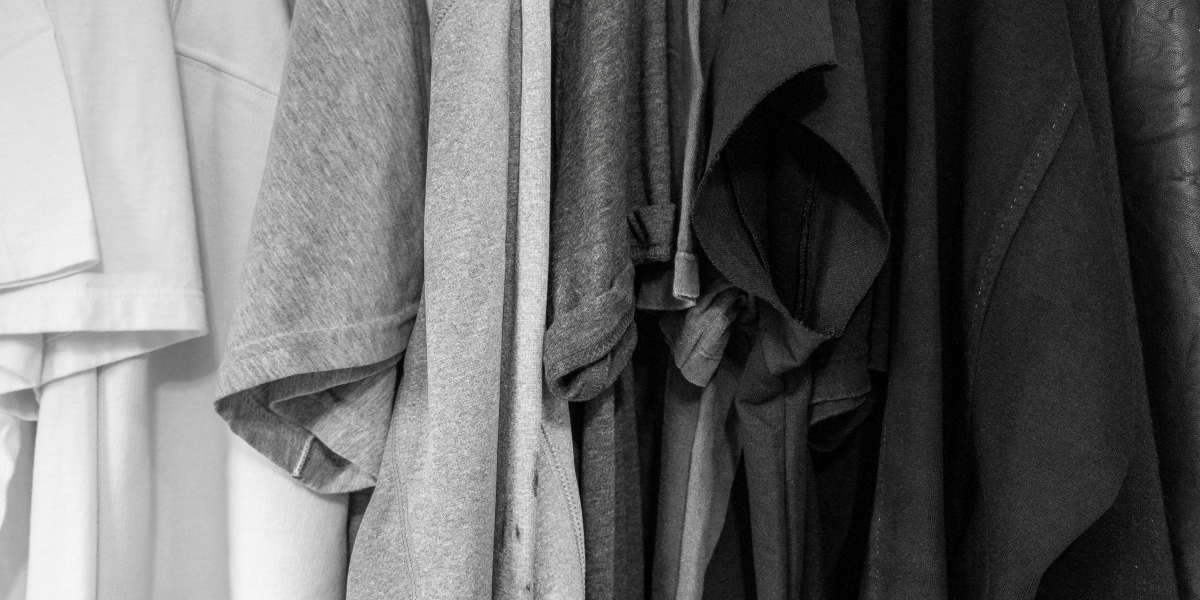
Let’s begin with something as everyday as your closet, because it’s often a place where we unknowingly complicate our lives.
Steve Jobs had his signature black turtleneck. Mark Zuckerberg often opted for his gray hoodie. Even Albert Einstein had a few of the same suits in rotation. They weren’t dull; they were streamlined and practical.
And practicality is undeniably effective. If you’ve ever found yourself staring blankly at your closet in the morning, trying to figure out whether to wear the shirt that makes you feel “professional yet approachable” or the one that screams “I didn’t have time to do laundry,” you know what decision fatigue feels like.
Having a go-to outfit cuts all that out. For some, it’s denim and sneakers. For others, it’s tailored pants with a blazer. And yes, for many, it’s a classic white shirt that somehow works in every possible setting. The key isn’t copying someone else’s uniform, it’s finding one that makes you feel like yourself on your best day.
Decision Fatigue: The Silent Killer of Vibes
Consider this: on average, a person makes around 35,000 decisions daily. While many of them are trivial, coffee or tea, whether to reply to that email now or later, etc. They accumulate and can exhaust your mental energy by the time more important decisions arise.
The result? By the time the major choices come up, you’re already mentally drained. This is why people who reduce the number of decisions they make daily, whether by limiting apps, trimming down “maybe” plans, or keeping fewer items they don’t love, tend to feel more at ease. They’ve minimized the mental clutter that can weigh them down.
The Myth of More
Our culture often assumes that having more is synonymous with improvement. More clothes, more gadgets, more plans, more projects. But, in reality, more doesn’t always equate to better.
Too many open browser tabs. Too many subscriptions that silently renew. Too many skincare products taking up space in the bathroom.
Simplifying life doesn’t mean eliminating everything you own, it just means choosing quality over quantity. A few well-loved items can often serve you better than an accumulation of things that you don’t truly enjoy.
The Closet Experiment
Here’s a simple experiment to try:
Pick 10 clothing items you reach for often and place them at the front of your closet.
Push everything else to the back and out of sight.
Give it about two weeks. You’ll be surprised at how little you miss the items you rarely use.
In fact, many people end up rotating a select few outfits, and this experiment simply makes that fact more intentional. Bonus: your mornings will feel less rushed, laundry will seem simpler, and you might even stop purchasing items that don’t add value.
Simplicity in the Kitchen
It’s not just the closet that benefits from simplifying. Kitchens are often overflowing with gadgets that get little to no use. For example, the spiralizer you convinced yourself would change your cooking game. (Spoiler: it didn’t.)
Some of the happiest cooks rely on a few basics: one sharp knife, one versatile pan, and a handful of go-to recipes that are quick and reliable. That’s why dishes like grilled cheese, pasta, or roast chicken are still popular. They work. They’re simple. And they don’t need an overwhelming array of spices or fancy gadgets.
Simple Doesn’t Mean Boring
Here’s the misconception: simple is synonymous with dull. People might think of it as a stark, minimal space or a quiet dinner without conversation. But simple can be dynamic. Think of an uncluttered room where natural light fills the space. Or perhaps choosing one favorite glass of wine rather than three cocktails that leave you feeling overindulged. Or maybe listening to one playlist you know by heart, rather than flipping through 10 incomplete podcasts.
Simplicity doesn’t subtract joy; it actually creates space for it.
The Sunday Sweep
One simple ritual that often gets overlooked is the ten-minute Sunday sweep:
Toss out that outdated salad dressing.
Unsubscribe from those newsletters you never read.
Delete the blurry photos you no longer need.
Clear out the receipts cluttering your bag.
This is the adult version of clearing under your bed when your mom is about to visit. Small, but satisfying, and oddly calming.
Why the Basics Deserve Upgrades
When you’re simplifying your life, it’s worth investing in the things you use regularly.
Shoes that don’t cause discomfort. A bag that can handle your daily needs. Headphones that function well on your commute. Even bedsheets that don’t irritate your skin. These essentials are the backdrop of your daily routine.
It’s similar to cooking with high-quality olive oil, subtle, but noticeable when it’s missing.
Saying No Faster
Calendars can get just as cluttered as closets. One “yes” here, a “sure” there, and before you know it, your schedule is filled with obligations.
One effective way to simplify? Say no faster. No to the meeting that could’ve been handled with an email. No to the coffee date that always turns into an hours-long session. No to the event that you know you won’t enjoy.
Time is precious. Guard it wisely.
Travel, Simplified
Packing is a place where simplicity can shine. Ever had the experience of sitting on your suitcase, trying to make it close because you’ve packed too much? That’s the result of wondering, “What if I need multiple pairs of shoes?” or “What if it snows on my beach vacation?”
The reality is, you probably won’t need half of what you packed. Focus on packing lighter, rewearing outfits, and remembering that laundromats are available.
Most of what people pack for trips ends up unused.
The Science of Less
Research on clutter suggests that it increases cortisol levels, the hormone responsible for stress (NCBI). In other words, cluttered environments often contribute to frustration.
In contrast, simplicity can ease mental load. That’s why people often report feeling calmer after decluttering their homes, unsubscribing from emails, or finally tossing out items they’ve been holding onto “just in case.”
Less stuff, less mental noise, less chaos, it’s not just about aesthetics; it’s supported by science.
The Rebel’s Version of Minimalism
Here’s the twist: choosing simplicity can be a rebellious act.
In a culture constantly encouraging us to upgrade and buy more, choosing less becomes an act of defiance. It’s a decision to step off the hamster wheel of consumerism.
It’s not about embracing a monochromatic lifestyle; it’s a quiet rejection of consumer overload.
Everyday Examples
- Food: Opting for pizza night with friends over a complex dinner party.
- Work: Focusing on one key project rather than spreading yourself thin across numerous side hustles.
- Fitness: Enjoying daily walks rather than overcomplicating your fitness routine
- Relationships: Spending quality time with the people who truly matter, rather than overloading your calendar with “obligatory” events.
What Simplicity Really Buys
At its core, simplicity isn’t about having less, it’s about creating more:
More time. Less time spent organizing, cleaning, or scrolling.
More energy. Fewer decisions mean more mental bandwidth for the important stuff.
More clarity. You can focus on what truly matters when you’re not surrounded by noise.
Ironically, simplicity is about making room for a fuller, richer life.
A Closing Thought
Life is complicated enough, between bills, work, relationships, and those moments of regretful texting. The last thing you need is clutter in your closet or on your calendar.
Simplicity isn’t about stripping away everything; it’s about holding onto what works, letting go of what doesn’t, and realizing that the quietest move might be the wisest one.
Sometimes, all it takes is pulling on something comfortable, heading out the door, and realizing you have one less thing to worry about.
Who knew that embracing less could bring so much peace?