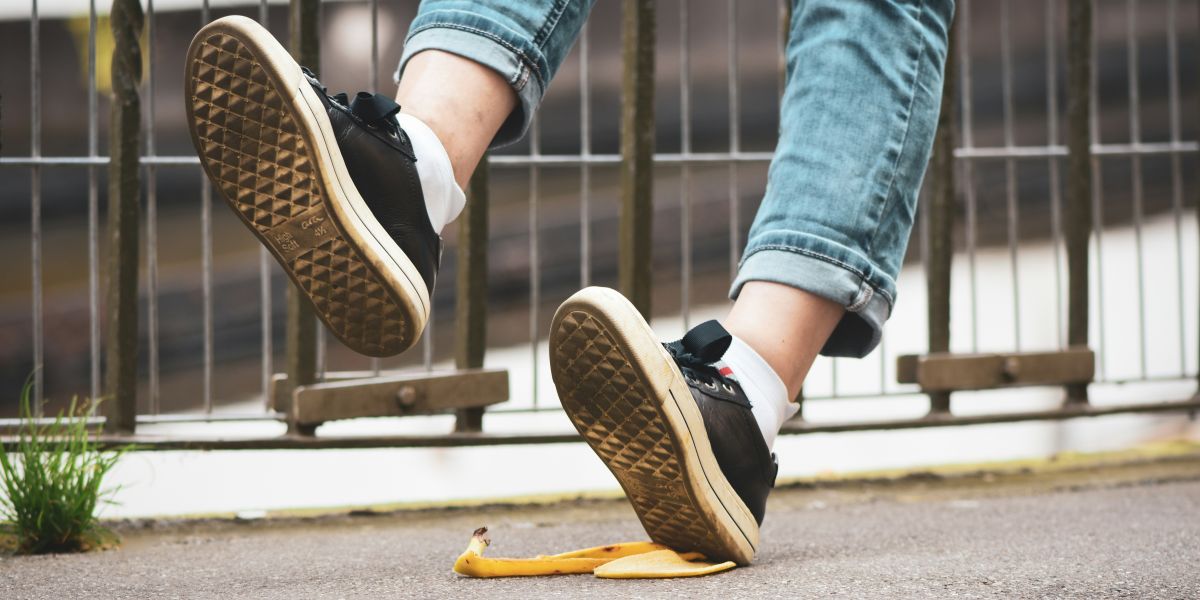


Falls can be a serious threat, particularly for those who are at increased risk due to age, mobility challenges, or medical conditions. But when you take proactive steps to lower fall risks and create a safer daily environment, you can significantly enhance your quality of life. So, there is no need to live in constant fear of accidents. Rather, simple adjustments and strategies can make a huge difference. In this blog, we will look at practical methods to keep you steady on your feet.
Create a Safe Living Environment
A well-organized living space is your first defense against falls, so remove common trippers such as loose rugs, clutter, and cables that could pose a tripping hazard. Double-sided tape should also be used to secure any loose rugs to the floor, keeping your walking paths clear. Lighting plays a role in fall prevention, too. Install energy-efficient bulbs in dimly lit areas, such as stairwells, hallways, and bathrooms, and use motion-sensor lights when necessary for better lighting. As an added precaution, place non-slip mats over smooth surfaces to prevent slipperiness.
Invest in Proper Footwear
Not all footwear is the same when it comes to safety. Shoes with non-slip soles and a secure fit can make a big difference in improving your balance and preventing accidents. High heels or backless shoes that do not provide sufficient support should be avoided. Indoor options like anti-slip socks or specially designed slippers can give you another safe solution.
Use Technology for Safety
Technology can give you a lot of reassurance when it comes to fall prevention. Smart home devices, such as voice-activated assistants, can make controlling the environment easier without requiring physical motion. While wearable fall detection devices like the life alert in Canada can alert other people or emergency services in case of an incident, making this gadget an amazing investment in terms of prevention and rapid-response support.
Stay Active to Strengthen Stability
Doing regular physical activity tailored specifically to individual abilities can do wonders for strengthening your balance and coordination. Low-impact exercises like yoga, tai chi, or water aerobics are particularly helpful as they increase muscle strength while decreasing fall risk. Physical therapy services may be able to target areas of weakness more specifically and create a personalised plan to build stability over time.
Rearrange and Reorganize
It is time to think smarter, not harder. Clothing, utensils, and medications should always be within arm’s reach, preferably in frequently used cabinets or drawers for easy access. Cabinets, drawers, and storage areas should be set up in low-to-reach areas to eliminate the need for bending, stretching, and stepping on step stools. Reorganizing can make your everyday tasks more efficient and also decrease risky movements.
In addition to making physical adjustments, maintaining a positive mindset is crucial for fall prevention. Stress and anxiety can interfere with focus and coordination, making it harder to stay steady on your feet. Practicing mindfulness, relaxation techniques, or deep breathing exercises can help reduce stress levels, allowing you to stay calm and focused. Incorporating these practices into your daily routine can significantly improve your overall sense of well-being, making you more mindful of your surroundings. Moreover, having a strong social support system is essential. Regular visits from family members, friends, or caregivers can provide emotional comfort and practical assistance when needed.
Conclusion
Reducing fall risk doesn’t require radical or tough lifestyle changes to work. When you use smart strategies, the right tools, and plan strategically, living a safer, worry-free life is entirely possible. When you rearrange your environments and prioritize physical fitness, people at risk of falls can maintain independence. Building a steady life doesn’t just involve preventing accidents; it means creating an environment in which worry can’t enter.