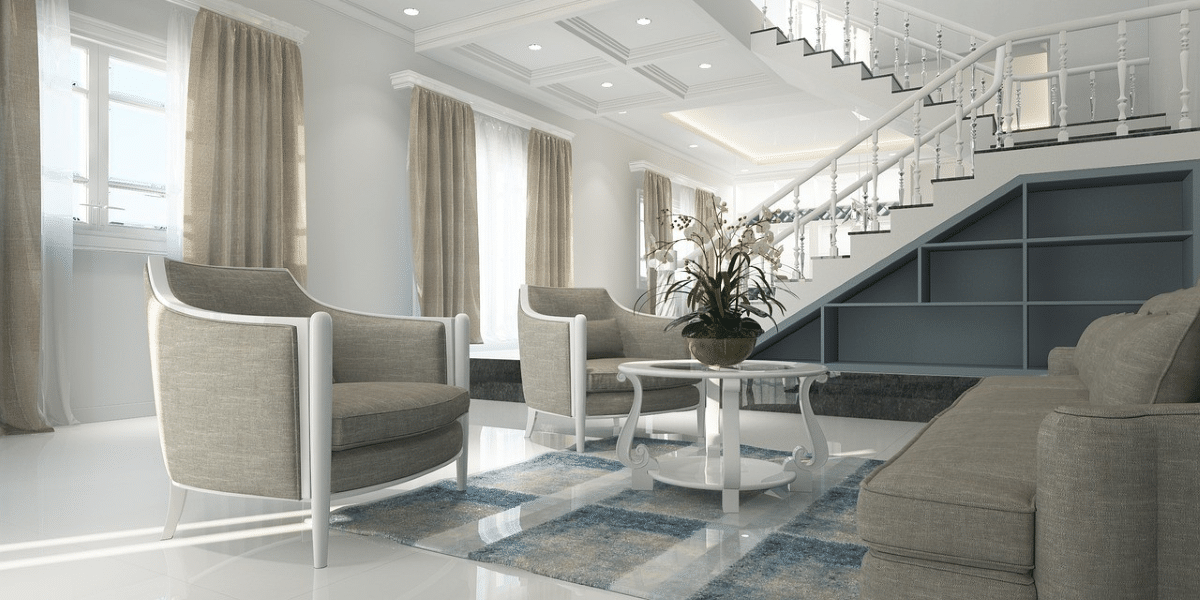


The interior design industry is a popular industry for a career in helping to design beautiful and safe environments. Interior design courses can help teach you everything you need to get a job as a designer and work independently or as a group. This article lets you understand the essential skills you’ll learn and develop when you undertake an interior design course.
Space Planning and Layout Design
An essential skill you’ll learn is the ability to create a functional space that can maximize efficiency while also being beautifully designed. Space planning and layout design involves learning how to properly arrange appliances, furnishings and other elements to suit a room’s overall purpose. Some things you’ll learn with an interior design course include:
- Understanding spatial dimensions, circulation, and how people move through a room. By understanding how the space will be used can help determine where you can and can’t place items.
- Arranging furniture to maximize comfort and functionality at the same time.
- Creating zones within spaces (for example, living, dining, or work areas) while maintaining a cohesive look and feel.
Undertaking interior design courses, such as the American International University courses in Kuwait or other locations, can give you the skills you need to land that job you’re looking for in the interior design industry.
Color Theory and Application
Colors have a significant impact on the way people feel when they walk into a room. When learning interior design, you’ll also learn about color theory and trends and how to apply color correctly within a space to achieve the feel and atmosphere you want from a room. An interior design course will:
- Help you understand the psychology behind colors and how they can affect mood, emotions and behaviors.
- Help you master the different color combinations and allow you to experiment with other color schemes like monochromatic, analogous, and complementary.
- Help you create color balance for harmony within a room.
Color theory will help you determine which colors work well in a room with a designated purpose.
Materials and Finishes
An interior design course also teaches you the difference between the materials and their finishes when you’re looking to become an interior designer. This allows you to better understand the applications, characteristics, and environmental impacts they have on a space. Some things you may learn include:
- You may use different types of materials throughout your career, including metal, glass, wood, stone, textiles and synthetic materials.
- Choosing the suitable types of finishes for the project based on their durability and maintenance level.
- How to choose materials that are eco-friendly and which minimize the overall impact on the environment without sacrificing any quality in the design.
The materials and finishes you choose will determine whether the outcome looks as good as you want it to, so it’s important to learn how to use them wisely.
Project Management
If you choose a more advanced Interior design degree, you’ll learn how to manage projects that may involve a team. This requires organizational skills, communication skills, and time management skills. Some areas you may learn include:
- Managing budgets and working within client budgets to deliver designs that meet their needs without overspending.
- Organizing and working with contractors, suppliers, and craftsmen to bring your design vision to life.
- Developing realistic project schedules to ensure timely delivery of your designs.
Project management is essential if you want to run an interior design business in the long term.
How Lighting Affects a Room
Understanding how lighting works within a space is crucial. Whether artificial light or natural sunlight coming through a window, it’s critical to know how to balance the light in the most effective ways to enhance a room’s overall function, aesthetics and mood. You may learn:
- The different types of lighting may include accent, ambient, or decorative lighting.
- How to layer lighting so it creates a balanced effect.
- How to incorporate the most energy-saving options while maintaining quality.
Endnote
An interior design course offers a comprehensive range of skills. These skills are essential for creating aesthetically pleasing environments and ensuring the safety, functionality, and sustainability of the spaces you design. Whether you’re pursuing a career in residential, commercial, or hospitality design, an interior design course is the starting point for success in this exciting industry.
Published by: Martin De Juan