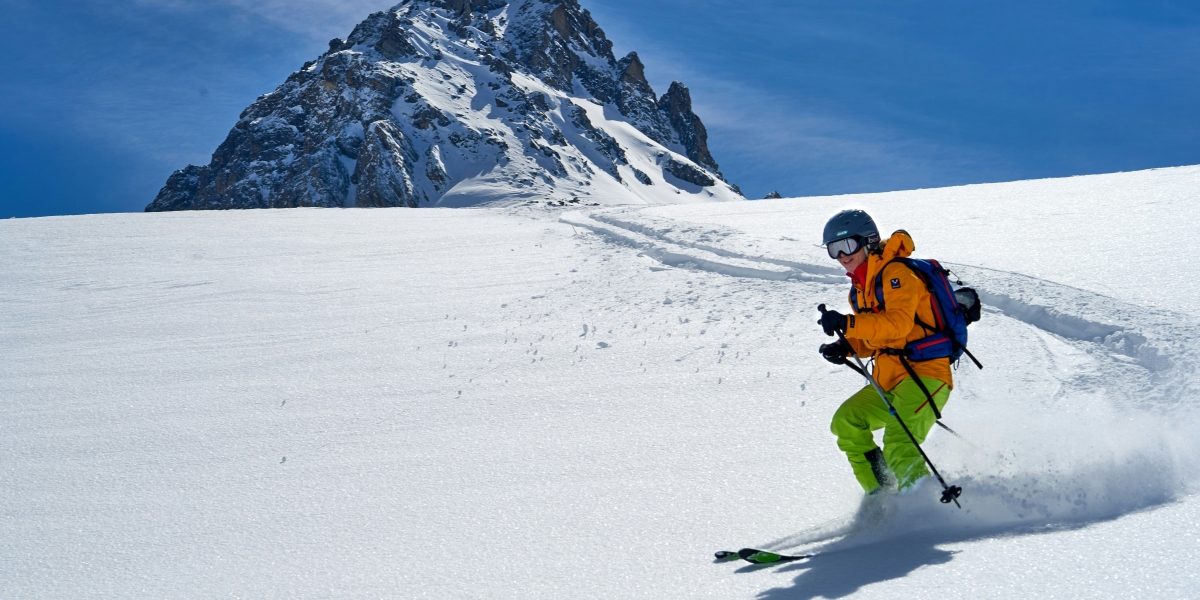

For Robert Stein, skiing is more than a physical pursuit; it demands mental agility, resilience, and focus, blending athleticism with psychological strength. The challenges faced on the slopes, from sudden weather changes to unexpected obstacles, mirror the unpredictability of everyday life.
Athletes who develop mental resilience through skiing often find themselves better equipped to navigate stress, setbacks, and pressure in other areas. Visualization, emotional regulation, and the ability to confront fear are all skills honed on the mountain and carried into daily routines. Whether you’re a competitive skier or someone seeking personal growth, the lessons learned while tackling snowy terrains offer valuable insights into building confidence, adapting to change, and developing a growth mindset.
The Role of Mental Resilience
Mental resilience is the ability to recover quickly from difficulties and maintain composure in the face of stress. It is especially important when navigating high-pressure backdrops, whether on the slopes or in everyday routines. In moments that demand clear thinking and rapid adjustment, those with greater resilience can stay focused and make effective decisions, even when under significant time constraints or physical fatigue.
Athletes, including skiers, often rely on mental strength to manage unpredictable situations and setbacks. Consider a skier facing sudden changes in weather or course conditions; adapting calmly can make all the difference. This kind of resilience also supports individuals outside of sports, helping them respond constructively to workplace demands, academic pressures, or unexpected life changes.
Skiing as a Mental and Physical Test
Skiing requires a unique blend of physical coordination and sharp mental awareness. Every run down the mountain is different, demanding that skiers adapt swiftly to shifting snow conditions, changing weather, and unexpected obstacles. This constant need for adjusting sharpens both the mind and body, pushing athletes to be present and responsive.
On the slopes, a skier might encounter a patch of ice or a sudden drop in visibility. Navigating these elements isn’t just about skill; it’s also about the ability to remain calm under pressure and adapt on the fly. These experiences steadily build a stronger, more resilient mindset, ready for whatever challenge comes next.
Visualization and Focus on the Slopes
Elite skiers often use mental imagery to prepare for challenging runs. By picturing each turn and movement before they set off, they build familiarity with the course and reduce anxiety. This mental rehearsal primes the mind to react automatically and confidently when high-speed decisions are required, giving athletes a crucial edge during competition or training.
Maintaining focus is crucial on the mountain, where distraction can lead to missteps. The ever-changing environment demands undivided attention, training skiers to concentrate fully on the task at hand. Over time, this ability to maintain focus, even amid unpredictable variables, becomes a powerful tool in life’s demanding moments.
Facing Fear and Building Confidence While Skiing
Confronting steep slopes or navigating tricky terrain often brings a rush of nerves, yet overcoming these moments is where real growth happens. Each time a skier tackles a difficult descent or recovers from a near fall, their confidence gets a boost. This repeated exposure to risk gradually transforms fear into composure and self-assurance, turning each challenge into a valuable learning opportunity.
Progress in skiing rarely comes all at once. Small victories, such as mastering a new technique or conquering a challenging trail, reinforce a sense of capability. Gradually, these achievements build a robust mental foundation that extends beyond the mountain. The journey from hesitation to mastery is marked by persistence and the willingness to confront challenges head-on.
Applying Skiing Lessons Beyond the Mountain
Skills gained through skiing, adaptability, emotional control, and quick decision-making translate seamlessly into everyday life. Navigating a demanding work project or managing a stressful family situation often requires the same calm and focus developed on the slopes. One may notice that the patience honed while learning a difficult ski skill is equally valuable when confronting unexpected changes at home or in the workplace.
The ability to regulate emotions during high-stakes moments is not limited to athletic settings. Those who have trained their minds on the mountain often find themselves better equipped to handle intense situations elsewhere, turning pressure into opportunity. The mindset built through skiing fosters resilience in relationships, careers, and personal development.
Strategies for Strengthening Mental Resilience
Setting achievable goals provides direction and motivation, allowing skiers to measure progress without becoming overwhelmed. Incorporating mindfulness techniques, such as controlled breathing or conscious awareness of surroundings, can help maintain focus even when conditions are less than ideal.
Reflecting on each day’s performance promotes continued improvement. By analyzing both successes and mistakes, skiers develop a growth mindset that encourages resilience and adaptability, ensuring they return to the mountain stronger every time.