


By: Rhys O’Connell, Row X Hospitality
As the hospitality industry experiences one of its most significant revivals in history, seasoned hotelier Rhys O’Connell believes the recovery has surpassed expectations, becoming stronger than anyone could have predicted. With over 25 years of experience managing luxury hotels, O’Connell, a recognized leader in the field, credits this remarkable rebound to the industry’s ability to innovate, travelers’ changing preferences, and, perhaps most critically, the close collaboration between key hotel departments.
“2020 was a year that tested the resilience of every hotel, but it also forced us to adapt in ways that have made the industry stronger,” says O’Connell. “What we’re seeing now is not just a return to normal, but an opportunity to redefine hospitality for the future.”
A General Manager’s Role in the Industry’s Recovery

Photo Courtesy: Rhys O’Connell
Central to O’Connell’s philosophy is the belief that the role of the General Manager (GM) has never been more crucial. While the position has always been vital in steering a hotel’s overall operations, today’s GMs must work closely with sales, marketing, and revenue management teams to ensure success. According to O’Connell, collaboration between these departments is critical to the industry’s strong comeback.
“The days of siloed operations are over,” says O’Connell. “For a hotel to thrive, the GM needs to be deeply involved with both the sales and marketing strategies and revenue management. These teams must work hand-in-hand, hip to hip, every day.”
O’Connell stresses the importance of GMs having a clear understanding of all aspects of the business, particularly in the post-pandemic environment. By working closely with revenue management, GMs can provide critical insights from daily operations and guest feedback, ensuring that pricing strategies and promotional offers align with market conditions and guest expectations. This dynamic relationship, O’Connell explains, allows hotels to stay competitive and profitable while offering the personalized experiences guests now expect.
Leveraging Local Markets: The “Backyard Accounts”
One of the significant shifts O’Connell highlights is the rise in importance of what he refers to as “backyard accounts”—the local and regional markets that have become essential to the hospitality industry’s recovery. With international travel still impacted in many regions and travelers opting for shorter, more localized getaways, hotels have had to pivot their focus to attract guests from nearby areas.
“Local and regional markets are now key revenue drivers for hotels,” says O’Connell. “Tapping into these backyard accounts means the GM, sales, and marketing teams must develop targeted strategies to attract local guests and build strong relationships with local businesses, corporations, and event planners.”
O’Connell notes that the renewed focus on local markets has opened up new hotel opportunities. Whether hosting local events, offering staycation packages, or collaborating with regional influencers and businesses, hotels are finding creative ways to engage with their communities. This shift requires more direct involvement from the GM, who can leverage local relationships and ensure that marketing campaigns not only reach potential guests but also foster long-term partnerships.
Innovation and Adaptation: The New Pillars of Hospitality
O’Connell also credits the industry’s comeback to its ability to rapidly adopt new technology and shift towards experiential travel. The pandemic pushed the industry to embrace digital solutions such as contactless check-ins, virtual concierge services, and AI-driven personalization, which have now become essential to providing a seamless guest experience.
“Technology has completely transformed the guest journey,” says O’Connell. “It’s about making everything more convenient and personalized without losing the luxury touch. Hotels that have embraced this digital transformation are not just bouncing back—they’re leading the charge.”
Experiential travel has become another cornerstone of the post-pandemic hospitality landscape. Travelers are no longer just looking for a place to stay—they want meaningful experiences that connect them to local culture, nature, and wellness. This trend has prompted hotels to rethink their offerings, curating unique activations and experiences that resonate with today’s more intentional, experience-driven travelers.
“Guests want to immerse themselves in local culture and return home with memories that go beyond the traditional hotel stay,” explains O’Connell. “Offering those kinds of experiences is what will set hotels apart in this new era of hospitality.”
The Path Forward: Collaboration and Community
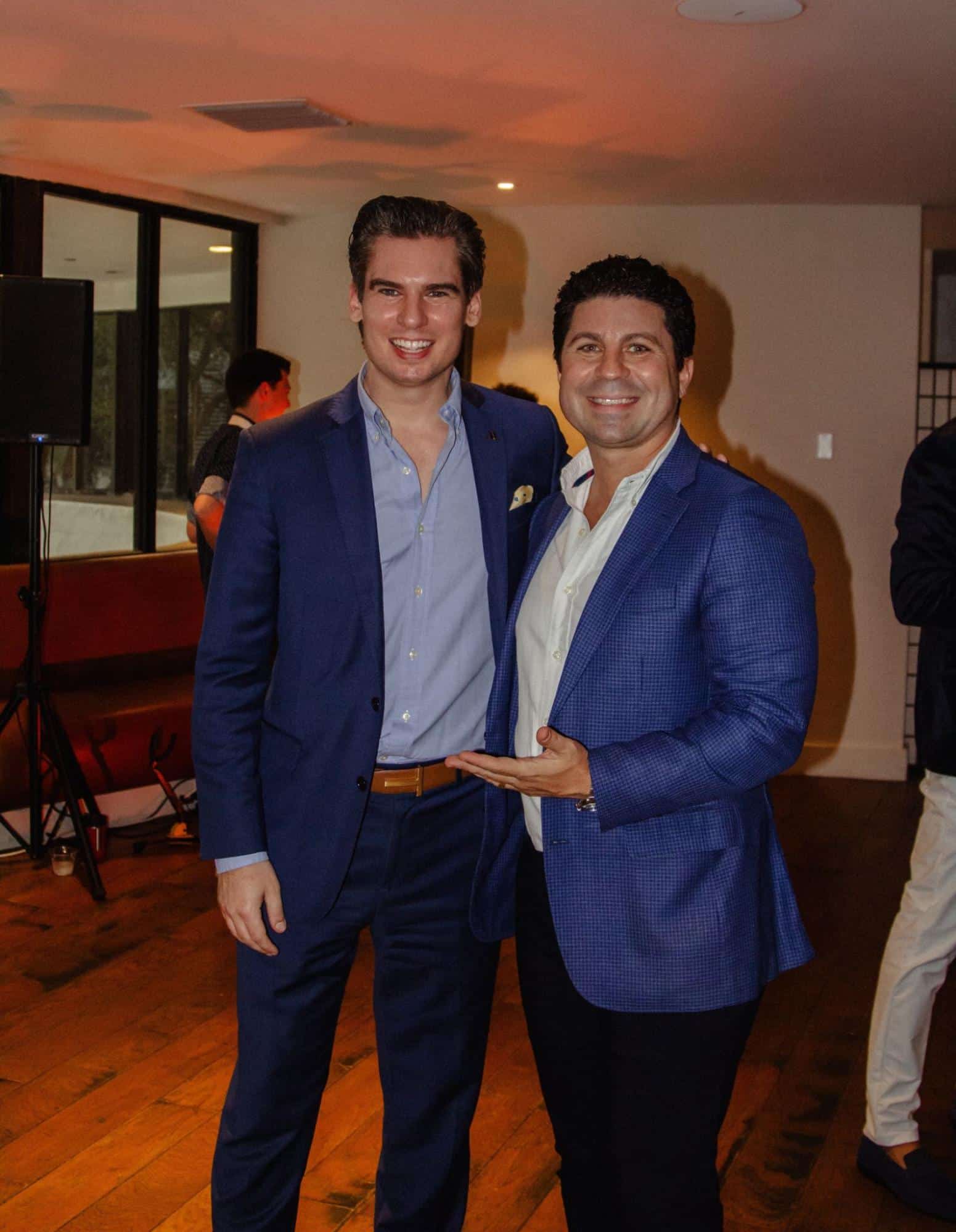
Photo Courtesy: Rhys O’Connell
Looking ahead, O’Connell emphasizes that department collaboration and a focus on local markets will remain crucial to the industry’s long-term success. In addition to working closely with the sales, marketing, and revenue teams, O’Connell believes that hotels need to continue strengthening their ties to local communities through engagement and partnerships.
“Community engagement has always been important, but now it’s a critical piece of the puzzle,” says O’Connell. “Guests want to feel that their stay is contributing to the community, whether it’s through sustainable practices or supporting local businesses.”
As hospitality continues its upward trajectory, Rhys O’Connell remains optimistic about the future. The lessons learned from the pandemic—innovation, collaboration, and adaptability—are here to stay. According to O’Connell, the industry is poised not only to recover but to exceed its former heights, driven by a renewed focus on what truly matters: creating unforgettable guest experiences, supporting local communities, and staying ahead of the curve in an ever-changing world.
“Hospitality has proven its resilience time and time again,” concludes O’Connell. “This recovery shows that we’re stronger than ever—and the future looks incredibly bright.”
Published By: Aize Perez