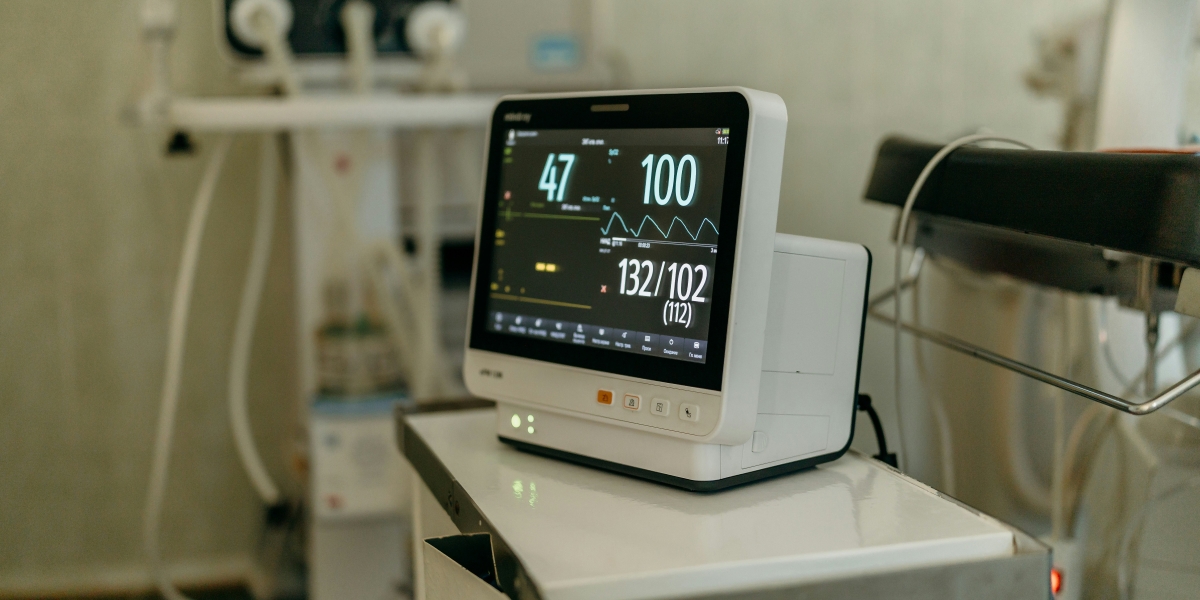

New York City is currently hosting a major gathering for the bioelectronic medicine industry. This event brings together scientists, business leaders, and engineers to discuss how electrical signals can treat diseases. This field is growing fast because it offers new ways to help patients who do not respond well to traditional medicine.
The Growth of Bioelectronic Medicine
Bioelectronic medicine is a special area of science. It combines biology, electronics, and data to create medical treatments. Instead of using drugs, doctors use tiny devices to send electrical pulses to nerves. These pulses can change how the body functions and help it heal.
The city is a natural fit for this forum. New York has many famous hospitals, research centers, and startup companies. Many experts believe the city is becoming a global center for neurotechnology. The local government and private investors are putting a lot of money into this research because they see its potential to change lives.
How These Devices Work
Most people are familiar with heart pacemakers. Bioelectronic devices work in a similar way, but they target different parts of the body. They can be used to treat many conditions, such as arthritis, Crohn’s disease, and even depression.
One of the main goals of this science is to reduce the need for pills. Drugs often travel through the entire body and cause side effects. Electrical treatments are different. They target specific nerves, which makes the treatment more precise. This precision is a major reason why venture capital firms are investing billions of dollars into these technologies.
Dr. Kevin Tracey, who is a pioneer in this field and the president of the Feinstein Institutes for Medical Research, explains the significance of this approach:
“Bioelectronic medicine is the scientific field that uses device technology to read and modulate the electrical activity within the body’s nervous system to treat diseases and injuries.”
New York as a Tech Hub
The forum highlights how New York is competing with other famous tech hubs like Silicon Valley. The city offers a unique environment where academic researchers can easily meet with business experts. This proximity helps turn scientific discoveries into real products that patients can use.
Many startups in the city are working on “wearable” neurotech. These are devices that a person can wear on their skin instead of having surgery to implant them. These innovations make the technology more accessible to the general public.
Victor Pikov, a senior executive in the neurotech industry, noted the importance of collaboration during these types of events:
“The Bioelectronic Medicine Forum provides a unique opportunity for leaders in the field to share insights and explore the latest advancements in neurotechnology.”
The presence of major investment firms at the forum shows that the business world is serious about this technology. Investors look for companies that can solve big health problems while reducing costs for hospitals. Bioelectronic devices can help by keeping patients out of the hospital and reducing the need for long-term medication.
Challenges and the Future
Even though there is a lot of excitement, the field still faces challenges. Creating a device that can stay inside the human body for many years is difficult. Engineers must make sure these devices are safe and do not cause infections. Scientists also need more data to understand exactly how every nerve signal works.
The forum in New York provides a space to solve these problems. Experts discuss the latest safety trials and share data from their labs. This transparency helps the entire industry move forward faster.
As the technology improves, it may become a standard part of healthcare. Some researchers believe that in the future, a doctor might prescribe a “digital treatment” instead of a traditional prescription. This would involve a small device that monitors the patient’s health and provides treatment automatically when it detects a problem.
Impact on Patients
The most important part of this forum is the potential impact on patients. People with chronic pain or autoimmune diseases often struggle to find relief. For them, bioelectronic medicine represents a new source of hope.
The devices being discussed in New York are designed to be “smart.” This means they can learn from the patient’s body and adjust the treatment in real-time. This level of personalized care was impossible just a few decades ago.
The industry is also focusing on making these treatments more affordable. While the initial cost of a device can be high, it often saves money in the long run by preventing expensive surgeries or lifelong drug use.
A New Chapter in Medicine
The Bioelectronic Medicine Forum shows that the way we think about health is changing. We are moving from a world of chemicals and pills to a world of data and electricity. With New York City leading the way, this transformation is happening faster than many expected.
By bringing together the brightest minds in science and business, the city is helping to create a future where chronic diseases are managed with precision and care. The discussions happening at this forum will likely shape medical treatments for many years to come.
Disclaimer: The following information is for educational and informational purposes only and is not intended as medical advice. You should not use this information to diagnose or treat a health problem or disease. Always seek the advice of a physician or another qualified health provider with any questions you may have regarding a medical condition. Never disregard professional medical advice or delay in seeking it because of something you have read here. If you think you may have a medical emergency, call your doctor or emergency services immediately.