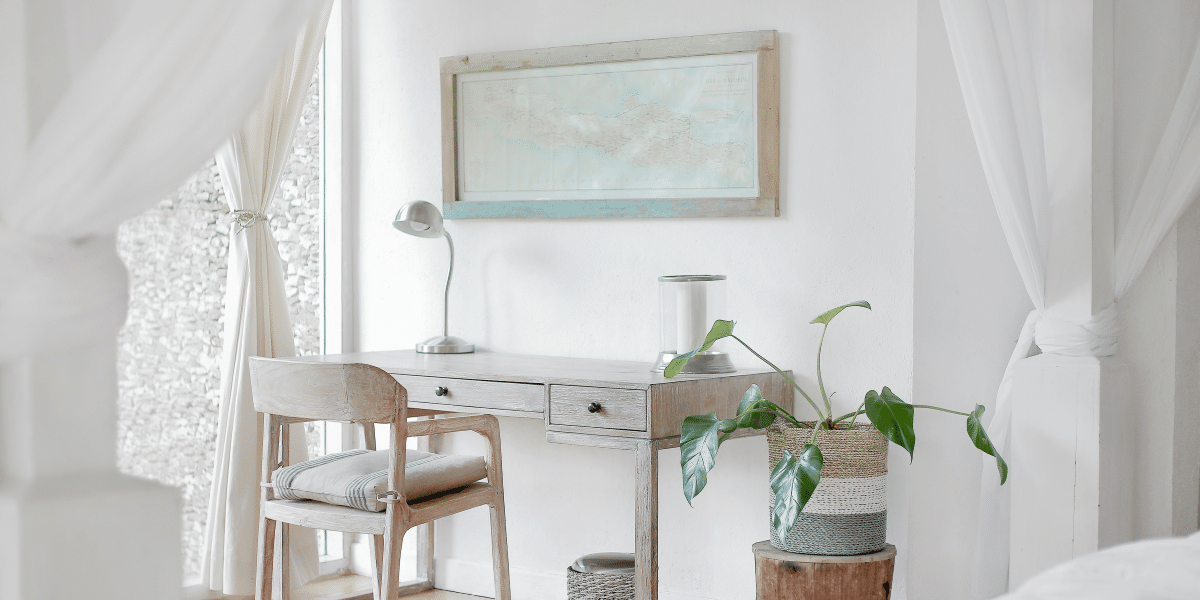


In today’s fast-paced world, microliving has emerged as an appealing lifestyle for modern nomads, embracing minimalism and flexibility. With an increasing number of people seeking freedom from traditional housing, the concept of microliving offers a practical solution that aligns with the desire for mobility, sustainability, and simplicity. This movement is particularly popular among digital nomads, freelancers, and those who prioritize experiences over material possessions.
What Is Microliving?
Microliving refers to the concept of living in small, efficient spaces that emphasize functionality and simplicity. Typically, microliving units range from 150 to 400 square feet and are designed to maximize every inch of space. These compact living arrangements cater to individuals or couples who prefer a minimalistic lifestyle, focusing on essential needs while avoiding the excess that comes with traditional housing.
The trend is gaining momentum due to rising urbanization, housing costs, and a growing interest in sustainable living. Modern nomads, who often travel for work or leisure, are particularly drawn to microliving because of its flexibility and the opportunity to experience different locations without being tied down by large homes or mortgages.
Minimalism Meets Mobility
For modern nomads, microliving offers a perfect blend of minimalism and mobility. By reducing clutter and living with only the essentials, nomads can easily transition between locations while maintaining a simple, streamlined lifestyle. This approach to living reflects the growing desire for experiences rather than material goods, as many individuals prioritize travel, exploration, and freedom over accumulating possessions.
Microliving spaces are designed to support this lifestyle, often featuring multi-functional furniture, hidden storage, and space-saving solutions that make it easier to adapt to various living arrangements. From tiny homes on wheels to micro-apartments in bustling cities, these spaces are created to accommodate the needs of nomads who thrive on flexibility.
Sustainability and Microliving
Sustainability is another key factor driving the popularity of microliving. With smaller spaces come lower energy consumption, reduced waste, and a smaller carbon footprint. Many microliving units are built using eco-friendly materials and incorporate energy-efficient appliances, making them an environmentally conscious choice for those who want to live with less impact on the planet.
For modern nomads who value sustainability, microliving provides an opportunity to live more consciously while maintaining the freedom to move from place to place. This aligns with the broader minimalism movement, where individuals choose to live with fewer belongings in order to reduce their environmental impact.
Flexibility in Living Arrangements
One of the greatest appeals of microliving for modern nomads is the flexibility it offers. These spaces are often designed to be temporary, allowing individuals to relocate easily and frequently. Microliving units like tiny homes, van conversions, or short-term micro-apartments offer nomads the chance to experience different cities or even countries without the burden of long-term leases or mortgages.
This lifestyle is particularly suited to remote workers, digital nomads, and freelancers who have the freedom to work from anywhere. Microliving allows them to set up home in a new city, explore local cultures, and immerse themselves in different environments, all while maintaining a sense of home, no matter where they are.
The Microliving Community
Beyond the practical benefits, microliving also fosters a sense of community. Many microliving developments feature shared spaces like co-working areas, communal kitchens, and rooftop gardens, creating opportunities for social interaction and collaboration. For nomads who often live solo, these shared spaces provide a chance to connect with others while maintaining a minimalistic and flexible lifestyle.
This sense of community is especially important for modern nomads who may crave human connection while living in new places. Shared microliving communities offer a supportive environment where individuals can bond over similar values of minimalism, sustainability, and mobility.
Conclusion: A Lifestyle for the Modern Nomad
Microliving is more than just a trend—it’s a lifestyle that reflects the values of the modern nomad. With an emphasis on minimalism, sustainability, and flexibility, microliving allows individuals to live simply while exploring the world. Whether through tiny homes, micro-apartments, or van conversions, this approach to living offers a practical and fulfilling alternative to traditional housing.
As more people seek to prioritize experiences over possessions, microliving will likely continue to grow in popularity, offering a solution for those who value freedom, adventure, and a simpler way of life.
For more insights into microliving for modern nomads, read the full article influencergazette.com
Published by: Holy Minoza