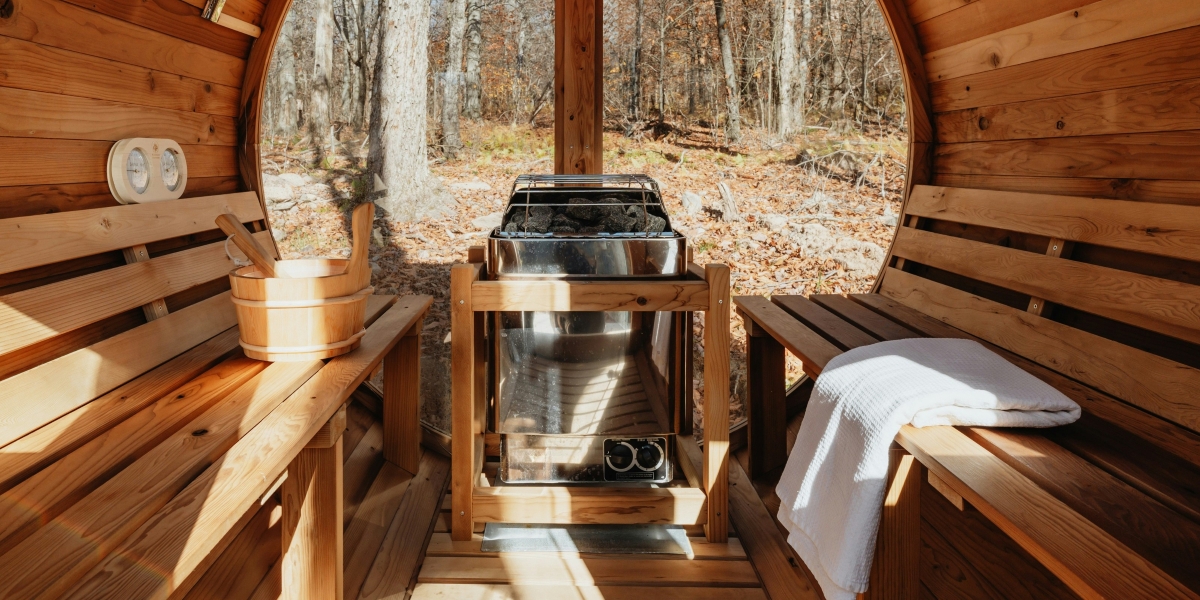


Building a home sauna in New York City and the surrounding region involves factors and limitations that are rarely encountered in suburban or rural settings. Living space is often tight, aging electrical infrastructure can create limitations, and close proximity to neighbors makes sound management essential. Still, many New Yorkers have found ways to incorporate saunas into apartments, brownstones, and private homes by repurposing underused areas like closets, extra bathrooms, and basement corners into relaxing personal retreats.
The heater represents the single most important decision in any sauna build, and New York’s specific constraints make that choice even more critical. Understanding how to navigate space limitations, electrical capacity, and building regulations ensures the investment delivers years of reliable performance without complications.
Understanding New York’s Unique Sauna Challenges
New York’s dense urban environment creates specific challenges for home sauna installations that demand careful planning and heater selection from the very start.
Space Constraints
In New York, every bit of space matters. Many home saunas in city apartments are designed to fit into areas no larger than a small closet. With such compact layouts, the heater needs to operate efficiently without taking up unnecessary room. Wall-mounted models are often preferred over floor-standing options, as they help maximize available floor space for seating and comfort.
Electrical Limitations in Older Buildings
Many New York buildings, particularly brownstones and pre-war apartments, weren’t designed for modern electrical demands. Panels often run close to capacity, and adding a sauna heater requiring 30-50 amp dedicated circuits can push systems beyond their limits.
Before selecting any heater, verify available electrical capacity with a licensed electrician to prevent expensive surprises. Some buildings may require panel upgrades, while others need new circuits run through walls that can’t easily accommodate new wiring.
Co-op and condo boards add another layer of complexity, often requiring approval for electrical work. Starting the approval process early, before purchasing equipment, prevents frustration and wasted investment.
Ventilation and Building Code Compliance
New York building codes have specific requirements for sauna installations, particularly ventilation, clearances to combustibles, and electrical safety.
Most residential saunas need dedicated ventilation, either direct venting to outside air or connection to existing HVAC systems. This requirement influences heater placement and sometimes limits where saunas can be built. Working with contractors familiar with New York codes ensures installations meet requirements and pass inspections.
Choosing the Right Heater Type for New York Spaces
Once the constraints are clear, the next decision involves selecting a heater type that works within New York’s practical limitations while still delivering authentic sauna performance.
Electric Sauna Heaters
Electric sauna heaters dominate New York installations for practical reasons. Wood-burning heaters require chimneys and produce smoke, which makes them impractical for most apartment buildings. Gas heaters need gas line access that many buildings don’t have or won’t allow modifications to access. Electric heaters simply plug into (hardwired) electrical service without requiring additional infrastructure.
For New York apartments and homes, electric heaters offer several critical advantages:
- No ventilation beyond standard sauna requirements: Unlike wood or gas, electric sauna heaters don’t produce combustion byproducts requiring special venting systems.
- Compact footprint: Modern electric heaters come in space-saving designs specifically engineered for small residential installations.
- Reliable temperature control: Accurate thermostats keep the temperature steady without the need for frequent adjustments, which is especially helpful when sauna time has to fit into a busy New York lifestyle.
- Lower installation complexity: While professional installation remains essential, electric heaters avoid the permitting nightmares of adding chimneys or gas lines in multi-unit buildings.
Wall-Mounted vs. Floor-Standing Heaters
For most compact apartment saunas in New York, wall-mounted heaters are often the most practical choice. They mount directly to the wall, freeing up valuable floor space and allowing more room for seating. Residential wall-mounted models are generally designed to provide ample heating power for smaller sauna spaces, delivering efficient and consistent performance without overwhelming the room.
Options like HUUM Drop sauna heaters exemplify this space-saving approach, offering high stone capacity in a wall-mounted design that maximizes floor space while delivering excellent steam quality for urban installations.
Floor-standing heaters are often better suited for more spacious installations, such as basement saunas in Brooklyn brownstones, bonus rooms in outer-borough homes, or larger apartments with dedicated wellness areas. These models typically accommodate a greater volume of sauna stones, which can enhance steam quality (löyly). However, they do require additional floor space, which may be difficult to allocate in many apartment settings.
The trade-off comes down to space versus steam quality. Wall-mounted heaters deliver perfectly acceptable performance for most users, while floor-standing models provide marginally better steam at the cost of precious square footage.
Sizing the Heater Correctly
Even the best heater fails to deliver if it’s incorrectly sized for the space, making accurate capacity calculations critical before making any purchase.
The Calculation That Matters
Heater sizing is generally based on a simple guideline: about one kilowatt of heating power for every fifty cubic feet of sauna space. Calculate the sauna’s cubic footage by multiplying length by width by height in feet to determine the minimum power needed.
New York installations often include features that increase heating demands beyond the basic formula. Glass doors create an open, less claustrophobic feel, which is crucial in small spaces, but glass conducts heat away faster than insulated wood walls. Adding extra heating capacity compensates for heat loss through glass and ensures quick heat-up times.
Undersized heaters struggle in New York’s climate too. Cold winters mean saunas often start from very cold baseline temperatures, requiring more power to reach optimal conditions. A slightly oversized heater reaches temperature faster, saving time for busy professionals who want sauna sessions without extended waiting periods.
Electrical Capacity Reality Check
Before choosing a specific heater, it’s important to confirm that the building’s electrical system can support it. Most high-quality residential sauna heaters require 240V service and a dedicated circuit to operate safely and effectively.
In older buildings, the overall electrical capacity for an apartment may be limited, and adding a sauna circuit could place additional strain on the existing system. A licensed electrician can evaluate whether the current panel can handle the extra load or if upgrades may be required. Clarifying this early in the process helps prevent choosing a heater that may not be compatible with the building’s electrical infrastructure.
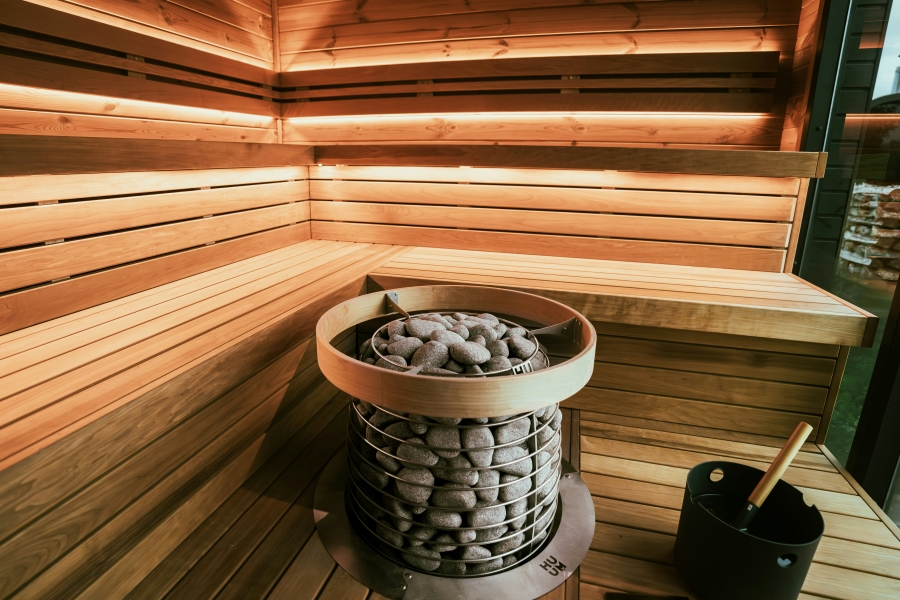
Photo: Unsplash.com
Key Features for New York Installations
Certain heater features that might be optional in suburban installations become essential considerations for New York’s unique urban context.
Built-In vs. External Controls
Space-efficient installations benefit from heaters with built-in controls that integrate the timer, temperature adjustment, and safety features into the heater housing itself. This eliminates the need for separate control panels that consume additional wall space and require extra wiring. For tight New York apartments, this simplification matters both aesthetically and practically.
External control panels offer flexibility in placement and often include more advanced features like Wi-Fi connectivity for remote operation. These work well in larger installations where wall space isn’t constrained and where the convenience of preheating the sauna remotely justifies the added complexity.
Safety Features and Auto-Shutoff
Life in New York can be unpredictable, so saunas may go unused for stretches of time during busy periods and then be used more frequently when schedules open up. Reliable safety features protect against accidents during these irregular usage patterns. Automatic shutoff timers prevent heaters from running indefinitely if someone forgets to turn them off. High-temperature safety cutoffs protect against malfunction scenarios.
These features are essential safeguards in multi-unit buildings where equipment failures could affect more than just the owner’s unit.
Installation Considerations
Electrical work involving 240V service must be performed by a licensed electrician, especially when it involves installing new circuits or modifying an electrical panel. Attempting a DIY installation can create issues with building code compliance, permits, and insurance coverage if a problem or claim arises.
Finding electricians experienced with sauna installations helps too. The work involves specific requirements around clearances, wiring methods, and safety devices that general electricians might not encounter regularly.
For co-op and condo owners, it’s important to account for board approval timelines when planning a sauna installation. Some boards meet on a monthly basis and require applications to be submitted well in advance. This review process can extend the overall project schedule, so beginning early helps prevent delays when materials have been purchased but installation must wait for formal approval.
Final Thoughts
Selecting the right sauna heater for a New York home means considering available space, electrical capacity, and building guidelines alongside heating performance. In many apartments, a wall-mounted electric heater provides steady, efficient heat while preserving valuable floor area. Homes with more space, such as those with a basement or extra room, may opt for floor-standing models that can deliver richer steam and a more immersive sauna experience.
The most important step is to understand your limitations before committing to a specific model. Take accurate measurements of your space, confirm your electrical capacity with a qualified professional, and select a heater that fits comfortably within those boundaries. Brands like SaunaHeaters.com can help navigate these New York-specific challenges, as they understand the common constraints of urban installations and can offer models that work within tight spaces and limited electrical capacity.
Many New Yorkers have carved out their own private wellness spaces despite living in some of the most space-limited properties in the world. With thoughtful planning and the right heater selection, enjoying a consistent, restorative sauna session at home can become a practical and attainable goal.
Author Bio
Ryan Williams is a sauna specialist at SaunaHeaters.com who helps customers plan reliable, high-performing sauna heating setups. He advises on heater selection, room sizing, electrical requirements, and installation details to prevent common mistakes that can affect performance or safety. Outside of work, Ryan enjoys playing tennis, hiking trails, spending time with family and friends, hanging out with his dog Ollie, and taking sauna breaks.