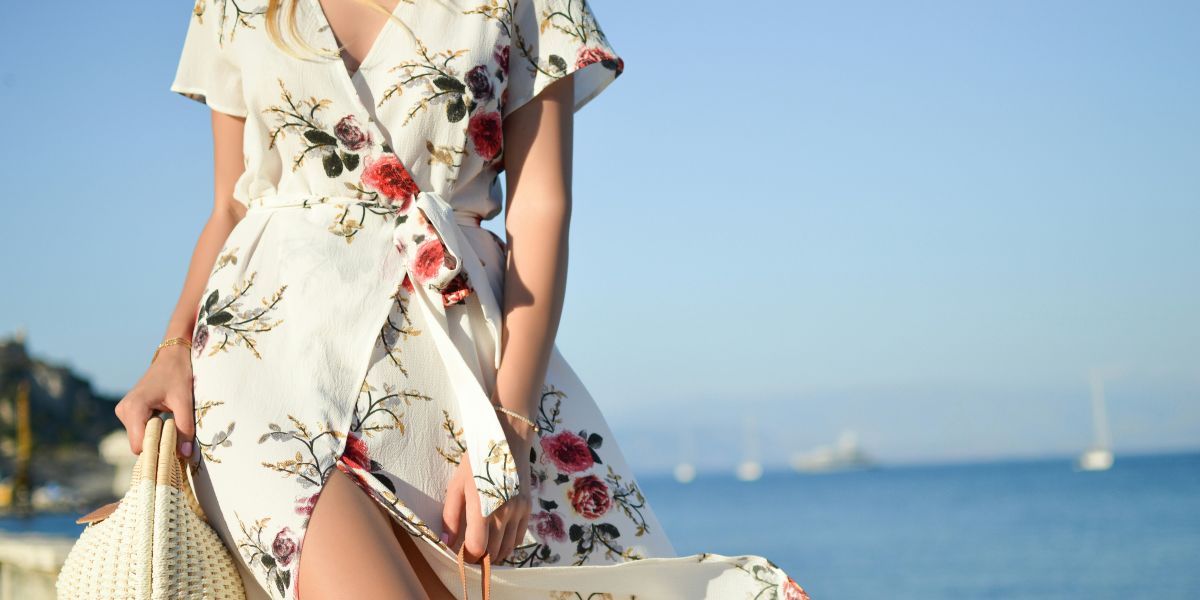


As the temperature rises and humidity increases, the choice of clothing becomes essential to ensure comfort. The fabrics you wear can significantly affect how you feel in hot and humid climates, influencing your ability to stay relaxed and at ease throughout the day. The right textiles can facilitate air circulation, reduce the stickiness of sweat, and help maintain a feeling of freshness. Understanding which fabrics works in these conditions is important to staying comfortable in the heat.
Many people think dressing for summer just involves wearing lighter clothes like shorts or tank tops. However, the fabric’s composition is just as important as the cut or silhouette. Even the simplest outfit can feel uncomfortable if made with the wrong material. By choosing fabrics that allow for good air circulation, moisture-wicking, and comfort against the skin, you can improve your overall experience in hot and humid conditions.
Natural Fabrics Are Often a Good Choice
Cotton remains a popular fabric for warm weather. It is lightweight, breathable, and widely available. While cotton provides air circulation and absorbs moisture, it can sometimes retain sweat longer, so it may not be ideal for very hot conditions. In such cases, blending it with light synthetic materials may offer better results.
Linen is another fabric worth considering, especially in regions with high humidity. Linen has a loose weave that promotes ventilation and moisture evaporation, helping the wearer stay cooler. While linen tends to wrinkle easily, its casual appeal makes it a practical option for hot weather. A well-tailored linen dress or shirt can serve as a comfortable and stylish choice during warmer days.
Blended Fabrics and Performance Materials Offer Alternatives
Although polyester is sometimes criticized for its lack of breathability, newer performance fabrics have been designed to perform well in warmer conditions. Many sportswear brands now use sweat-wicking and antibacterial synthetic materials that are engineered to dry quickly and resist odors. These fabrics, once reserved for athletic wear, are becoming more common in casual styles, offering a functional yet stylish option for hot days.
Rayon is another fabric to consider. It is semi-synthetic and made from wood pulp, which gives it a softness similar to cotton. Rayon has a nice drape, making it a popular choice for summer dresses and tops. However, it’s important to note that rayon clothing should not be too tight, as this can trap heat and prevent the fabric from working effectively. Rayon blends are also used in knitted fabrics, which can work well for both casual and semi-formal occasions.
Fit and Structure Impact Comfort
Even with quality fabric, a garment that is too tight can feel uncomfortable in the heat. Short silhouettes, while fashionable, can restrict airflow and make the body feel warmer. Loose fits, such as baggy trousers, flared sleeves, and oversized shirts, not only align with current fashion trends but also promote comfort by enhancing airflow.
Garment structure can also play a role in comfort. Clothing with open weaves, slits, or vented panels helps improve airflow, preventing that “sticky” feeling that can occur on hot, humid days. Pairing such garments with the right undergarments made of similar breathable fabrics will further enhance overall comfort.
Color and Layering Choices Matter
Fabric is not the only consideration — the color of your clothing can also influence how comfortable you feel in the heat. Lighter colors, such as white, beige, and soft pastels, tend to reflect sunlight, helping you stay cooler compared to darker shades, which can absorb heat. While dark colors may still be suitable for some occasions, they are more likely to show sweat marks, especially during the hottest parts of the day.
When layering is necessary, it’s important to use breathable fabrics for each layer. For instance, a cotton camisole under a linen blazer can provide a stylish yet breathable option for professional settings. Combining structured yet breathable fabrics ensures you can maintain your style without compromising comfort. When purchasing such basic items, one can buy high-quality natural fibre clothes at a more favourable price with the help of a Quince discount code.
Footwear and Fabric Pairings Complete the Look
The choice of footwear also contributes to your comfort during hot, humid days. Lightweight clothing pairs well with breathable footwear, such as sandals or canvas shoes, to maintain a consistent level of comfort. Matching your fabrics with appropriate shoes can enhance both your style and comfort, ensuring you feel composed and at ease throughout the day.
Final Thoughts
Hot and humid weather doesn’t mean you have to sacrifice style for comfort. By carefully selecting the right fabrics, you can manage the heat while maintaining a polished appearance. Whether you opt for a traditional linen shirt or a modern moisture-wicking fabric, the key is to choose materials that allow for proper air circulation and moisture management. With thoughtful choices, you can feel confident and comfortable, no matter the temperature.