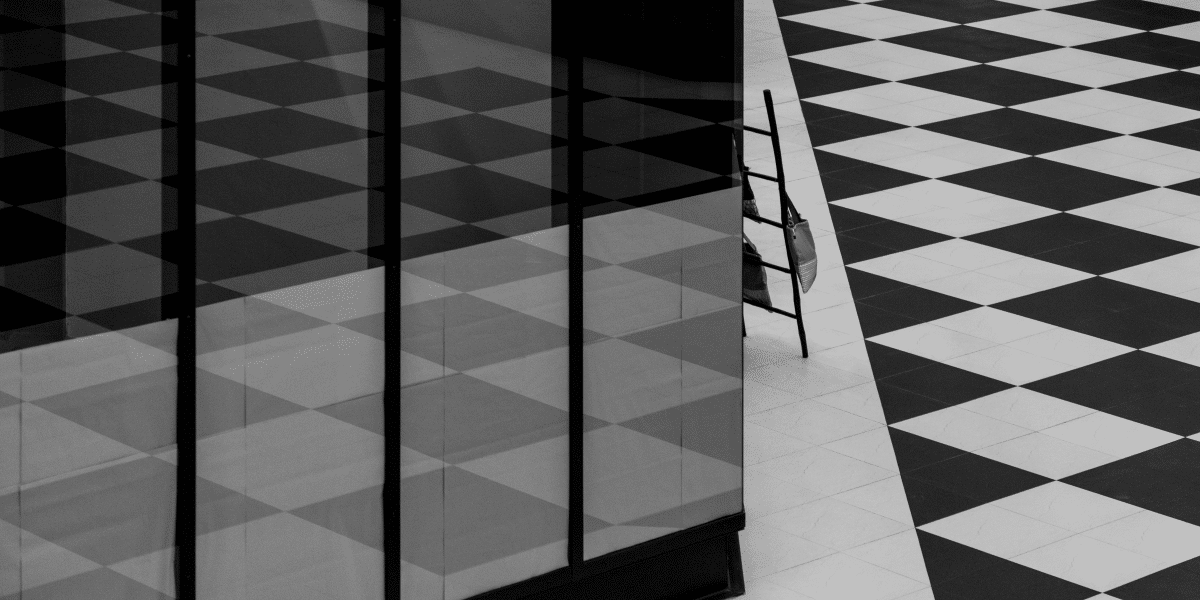


Whether you’re investing in a tile backsplash or a tile floor for your bathroom renovations, there are a plethora of options out there. From finding the ideal color to determining the appropriate tile size, there are a ton of choices. By following the tips that we’re going to discuss below, you’ll be well on your way to choosing a tile pattern that will look absolutely timeless.
Neutral Color Palettes
When you want a tile pattern that will stay in style for many decades to come, you need to opt for a neutral color. White, greys, tans, and browns offer a hint of sophistication while being able to complement a wide variety of interior styles. While these tiles can stand out on their own, they tend to take a backdrop to other design elements in your space that stand out.
Repetitive Patterns
Having a repetitive pattern helps to give the illusion of rhythm and movement in your space. It doesn’t matter if the pattern is of geometric shapes, herringbone, basketweave, or anything else. These patterns bring a sense of harmony and cohesion to your room. You can opt for a repetitive pattern that becomes the determined focal point of a room or choose a more subtle pattern as a backdrop.
Natural Stones
Another way to master the timeless tile pattern is to opt for natural stone. Some of the most popular include marble, limestone, granite, and even slate. These stones help to provide a more earthy feel to any room, an attribute you’re going to see in all different types of timeless styling.
Functionality
One factor you can’t overlook when choosing the appropriate tile pattern for a timeless look is the room’s functionality. If you’re going to be placing the tiles on a floor for a wet room in your home, such as your bathroom, the size of the tile you use will play a big part in how safe your floor is. You want to opt for smaller mosaic tiles that provide more grout and greatly reduce slippage in certain areas.
Additionally, you want to be mindful of how porous the material is you’re using. For example, sandstone is going to be very porous, which means it’s vulnerable to dents and liquid stains. It wouldn’t make a great option for bathrooms or kitchens.
Room Scale
Another factor that you must take into consideration is the overall scale of your room, tile size, and pattern intricacy. All of these need to be scaled correctly in order to create an intertwined, appealing look. For example, it doesn’t make sense to try and do a herringbone design out of large 12 by 24-inch tiles, as this will simply make the design look overly chunky and out of scale.
When you’re going to invest money in putting tile in your home, it makes sense to do it in a fashion that will make it look timeless. With the right integration of scale, functionality, material, and color, you can use a variety of tile patterns to create this unique, timeless look.
Published by: Martin De Juan