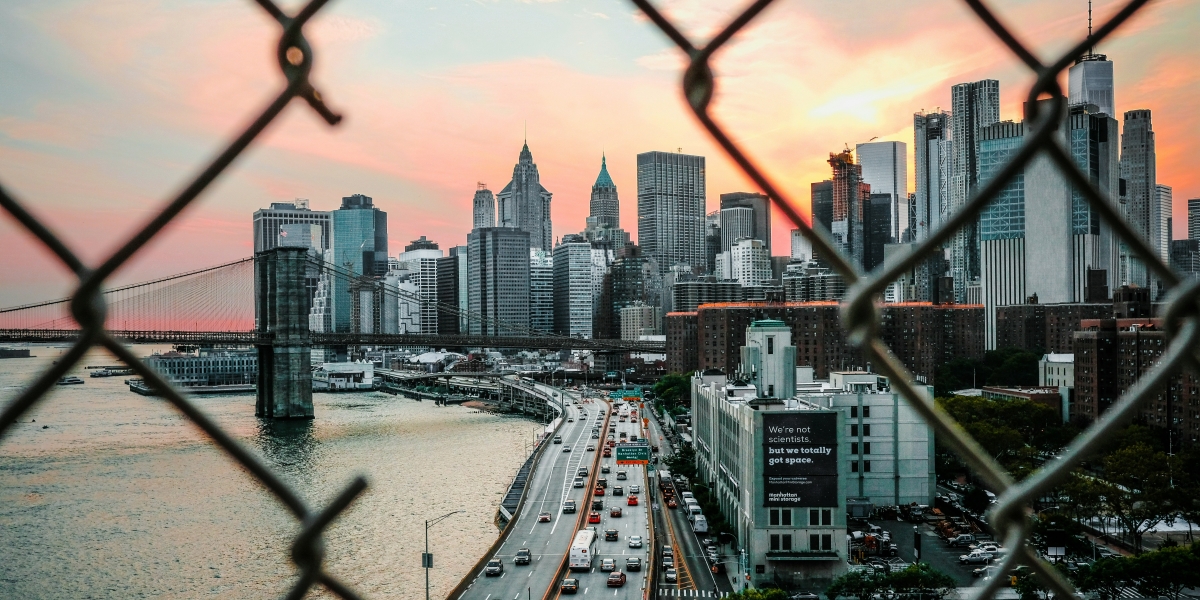


Cities exist in constant evolution, but recent years have accelerated changes that are fundamentally altering the character of urban neighborhoods. Shifting buyer preferences, remote work adoption, and changing lifestyle priorities have combined to reshape demand patterns, transforming streetscapes and community dynamics. Understanding these trends helps residents, investors, and city planners anticipate how urban areas will continue to develop.
The Remote Work Effect
The widespread adoption of remote and hybrid work arrangements has loosened the geographic constraints that once tethered workers to specific locations. Proximity to office buildings no longer dominates location decisions for many professionals, redistributing demand across urban landscapes in significant ways.
Neighborhoods previously considered too distant from employment centers have gained appeal as commute frequency decreased. Areas offering more space, better amenities, or distinctive character now compete effectively with locations whose primary advantage was convenience to downtown offices.
This shift has revitalized some neighborhoods while intensifying pressure on others. Communities with attractive housing stock, walkable retail districts, and quality schools have experienced surging demand from professionals no longer tied to daily commutes. Meanwhile, neighborhoods built primarily around office worker foot traffic have faced challenges adapting to reduced daytime populations.
Mixed-Use Development Acceleration
The traditional separation of residential, commercial, and retail zones has given way to integrated mixed-use development that reflects how people actually want to live. New construction increasingly combines housing with ground-floor retail, office space, and community amenities in unified projects.
This approach creates neighborhoods where daily needs are met within walking distance. Residents value the convenience while businesses benefit from built-in customer bases. The resulting streetscapes feel more vibrant and active than those of single-use developments, which empty out after business hours or on weekends.
Older urban neighborhoods with existing mixed-use character have benefited from this trend. Their walkable layouts and diverse building stock align with contemporary preferences, driving investment in rehabilitation and rising property values in areas that may have been overlooked in previous decades.
Amenity Expectations Rising
Urban buyers and renters have elevated their expectations for neighborhood amenities beyond what previous generations demanded. Access to parks, fitness facilities, quality dining, and cultural venues has shifted from a nice-to-have to an essential criterion in location decisions.
Neighborhoods meeting these expectations attract residents who might previously have chosen suburban locations for space and affordability. The willingness to accept smaller living spaces in exchange for rich neighborhood amenities has intensified demand in areas offering the right combination of features.
Real estate professionals attuned to these preferences help clients strategically navigate neighborhood selection. Specialists like Gurr Luxury Properties guide buyers toward locations where amenity access, community character, and long-term value potential align with individual lifestyle priorities.
Sustainability and Walkability Premium
Environmental consciousness has translated into real estate preferences favoring sustainable, walkable neighborhoods. Buyers increasingly prioritize locations where car dependence is optional rather than mandatory. The ability to walk to daily destinations represents both lifestyle preference and values alignment for growing segments of the market.
Neighborhoods designed around pedestrian access command premiums over car-dependent alternatives. Transit accessibility adds additional value, particularly for households seeking to reduce vehicle ownership. These preferences are reshaping investment patterns and development priorities across urban markets.
Neighborhood Identity Matters
As urban areas have become more homogeneous in some respects, distinctive neighborhood identity has become increasingly valuable. Areas with authentic character, historical significance, or unique cultural attributes attract buyers seeking alternatives to generic development.
This premium on authenticity has sparked preservation efforts and community-led initiatives to maintain neighborhood distinctiveness amid development pressure. The tension between growth and character preservation plays out differently across communities but reflects widespread recognition that identity matters to property values and quality of life alike.
Cities in Transition
Urban neighborhoods will continue evolving as preferences, technologies, and economic conditions shift. The trends currently reshaping cities reflect bigger changes in how people work, what they value, and how they want to live. Neighborhoods that adapt successfully to these changing expectations will thrive, while those that resist may struggle to maintain vitality. For residents and investors alike, understanding these dynamics informs better decisions about where to put down roots and build futures.