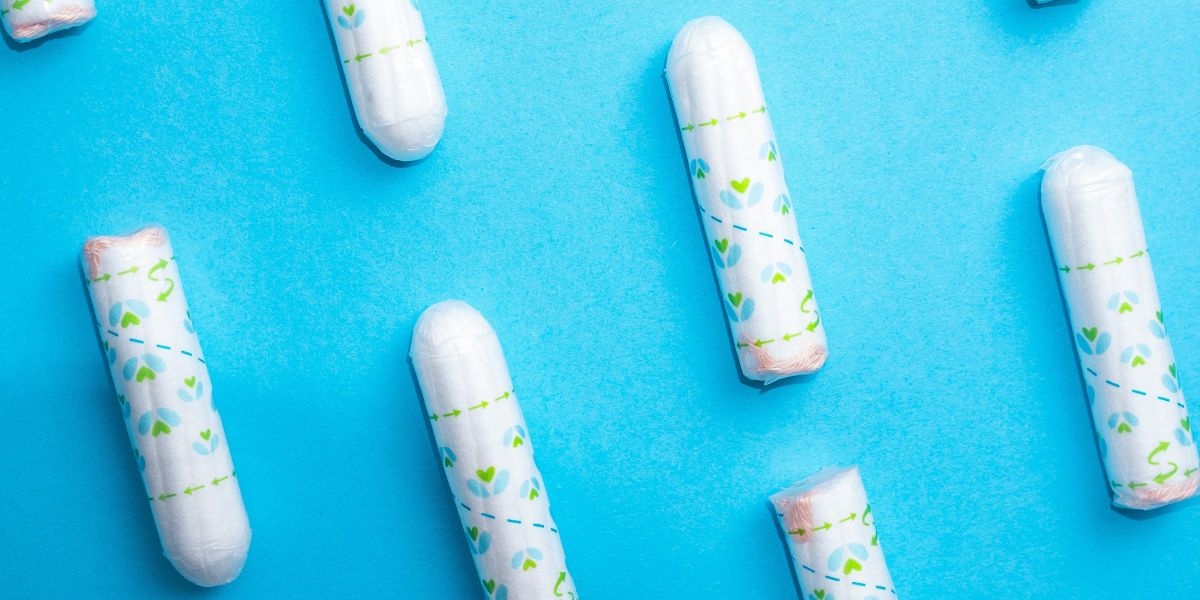


Most people know that periods are a regular part of life for decades, but few stop to think about what that really adds up to. Tampons are a go-to product for many women, used month after month and year after year. But how many tampons does one woman use over her lifetime?
The answer isn’t exact, but you can get a clear estimate with a few reasonable averages. Looking at the numbers helps put everyday routines into perspective, and may even influence how people think about their product choices, from organic tampons to menstrual cups.
What Does Typical Tampon Use Look Like?
To estimate lifetime tampon use, you need to start with a few baseline assumptions. Many people begin menstruating around age 12 and reach menopause around age 50. That’s roughly 38 years of monthly cycles. On average, a menstrual cycle occurs about once every 28 days, although this can vary from person to person.
Within each cycle, a period typically lasts between three and seven days. During that time, tampon usage depends largely on individual flow and personal preference. Some people may need to change tampons more frequently due to heavier flow, while others may use fewer throughout their period. These differences can impact estimates of overall tampon use.
It’s also worth noting that product choice plays a role. Some individuals opt for alternatives like pads or menstrual cups, depending on comfort, ingredient preferences, or lifestyle. Because no two people have identical cycles, the final number will always be an estimate, but it can still be surprisingly accurate.
Breaking Down the Monthly Math
Next, you’ll want to look at how many tampons are used during a single cycle. On average, a person may use between three and six tampons per day. Over a five-day period, that equals roughly 15 to 30 tampons per cycle
For a balanced estimate, many calculations use about 20 tampons per period as a midpoint. This accounts for lighter and heavier days without overcomplicating the math.
The Lifetime Total
With an average of 20 tampons per cycle and about 12 cycles per year, the yearly total is 20 tampons × 12 months, or about 240 tampons per year. Even at this moderate estimate, the number adds up quickly. Over just a few years, that’s already in the thousands.
To estimate lifetime use, multiply the annual total by the number of years you menstruated. 240 tampons per year × 38 years equals around 9,120 tampons. That means a person could use around 9,000 to 10,000 tampons over their lifetime.
This number can vary widely depending on individual factors like cycle length, flow, and product choices. Still, it offers a clear sense of scale. What feels like a small, routine purchase each month adds up to thousands over time.
What Outliers Can Influence the Total?
The estimated lifetime total is based on averages, but individual numbers can vary significantly. Flow is one of the biggest factors. People with heavier periods may use more tampons per day or choose higher absorbency options, while those with lighter flows may use fewer.
Cycle length also matters. Not everyone has a 28-day cycle. Some people have shorter cycles, which means more periods per year, while others have longer cycles and fewer.
Life stages can also affect tampon use. Pregnancy, postpartum recovery, breastfeeding, and certain types of birth control can reduce or pause menstruation for extended periods. On the other hand, some conditions or changes in health can lead to heavier or more frequent cycles.
Also, not everyone relies on tampons for every cycle. Some people switch between tampons, pads, period underwear, or menstrual cups depending on comfort and activity level.
These choices can influence how many tampons are used overall. For example, someone who alternates between products may use fewer tampons per cycle than someone who uses them exclusively.
Women’s Health and the Products You Need
Looking at lifetime tampon use offers a clearer picture of how small, repeated habits add up over time. It highlights the importance of comfort, accessibility, and personal preference in choosing menstrual products.
There is no single “right” approach. Needs can change over time, and different products may work better at different stages of life. Ultimately, the number is less important than what it represents: a long-term, everyday aspect of health that deserves practical, informed choices.