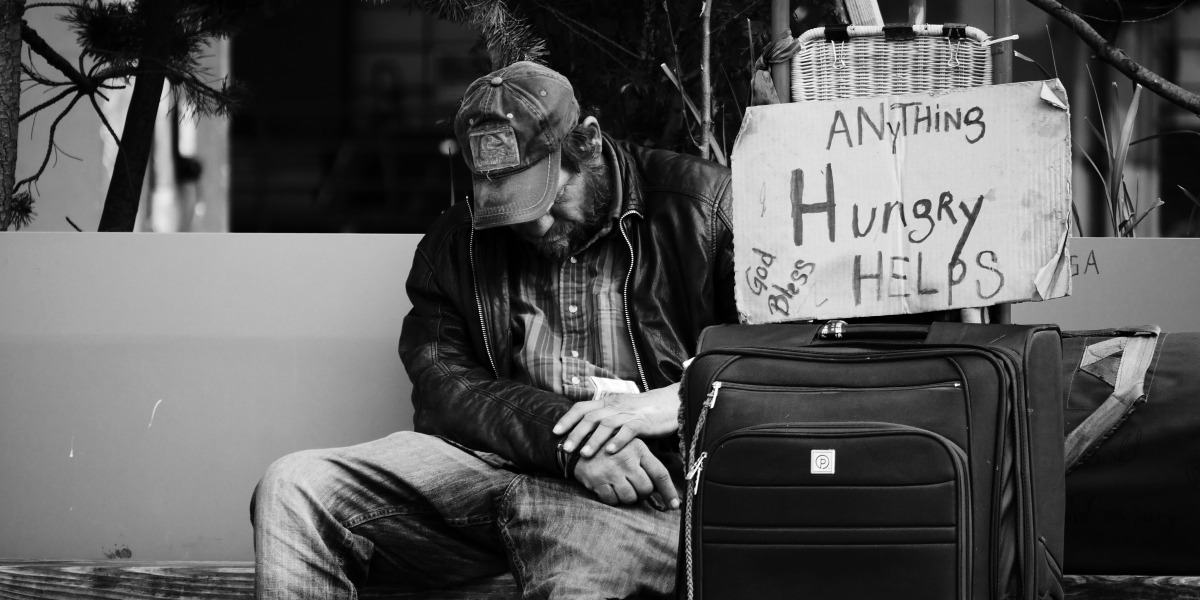

New York City Mayor Zohran Mamdani recently announced a major shift in how the city handles homelessness. After promising to end encampment sweeps during his campaign, the mayor has decided to bring them back. This change comes after a series of difficult events that have forced the city to rethink its approach to public safety and housing.
A Shift in Policy
When Mamdani took office in January 2026, he immediately paused the practice of clearing homeless camps. He often argued that these sweeps were ineffective and cruel, as they simply pushed people from one street corner to another without providing a permanent home. For the first few weeks of his term, the city focused entirely on voluntary outreach.
However, a record-breaking cold snap in early February changed the situation. Within a two-week period, nearly 20 people died on the streets due to freezing temperatures. This tragedy put immense pressure on the Mayor’s Office to take more direct action. Critics and some residents argued that leaving people in tents during such extreme weather was a matter of life and death, not just a matter of personal freedom.
How the New Sweeps Work
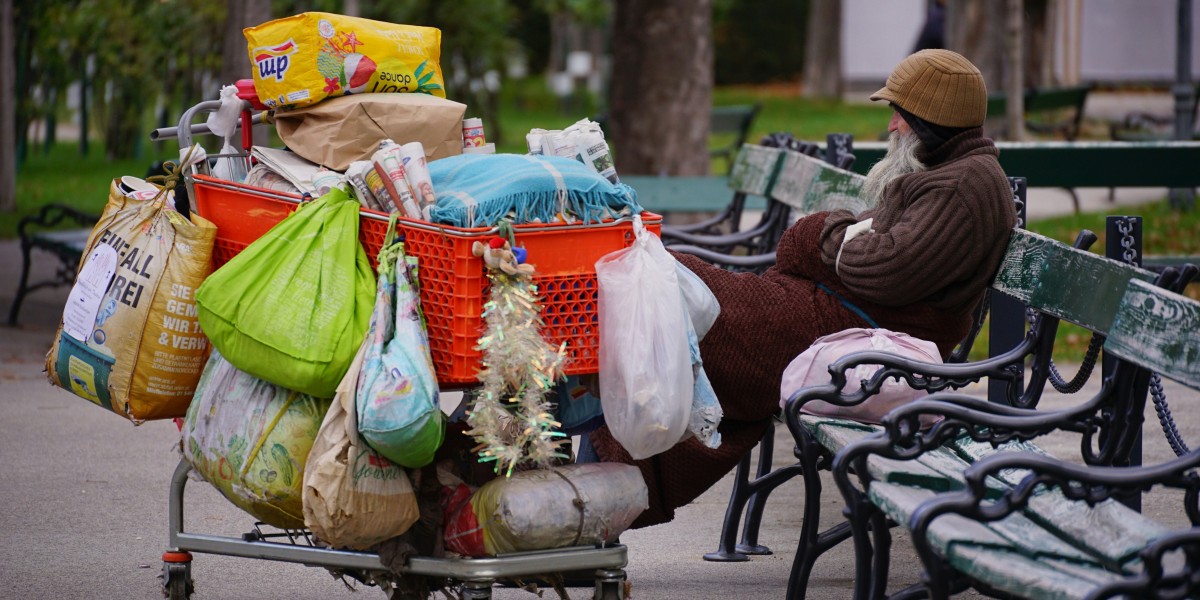
Photo Credit: Unsplash.com
While the sweeps are returning, the process looks different from what it did under previous city leaders. The Mamdani administration is trying to frame these actions as “humanitarian interventions” rather than police operations.
The most significant change is which department leads the effort. In the past, the New York Police Department (NYPD) often took the lead. Now, the Department of Homeless Services (DHS) is the primary agency in charge. The goal is to make the process feel less like a criminal matter and more like a social service outreach program.
The city has also introduced a “Seven-Day Rule” for all encampment removals. Once a site is identified for cleanup, the city must post a clear notice. Following this notice, outreach workers are required to visit the site every single day for one week. During these visits, workers offer shelter beds, medical care, and mental health services.
“We cannot simply stand by while our neighbors freeze in the streets,” Mamdani stated during a recent press conference. “Our goal is not to punish people for being poor, but to provide a pathway into a warm, safe environment. These seven days of intensive outreach are designed to build the trust necessary to get people indoors.”
The Final Cleanup
On the seventh day, sanitation workers arrive to clear any remaining structures or debris. While the NYPD is present during these operations, the city maintains that officers are there only to ensure the safety of the workers and the public. They are instructed not to lead the interactions with the people living in the camps.
The administration is also opening new “low-barrier” shelters to support this move. These shelters have fewer rules regarding pets, belongings, and partners, which often keep people from entering traditional shelter systems. The hope is that by making shelters more welcoming, fewer people will feel the need to return to the streets after a sweep.
Reactions from the Community
The decision has caused a divide among New Yorkers. Many homeless advocates, who were some of Mamdani’s strongest supporters during the election, feel betrayed by the return of sweeps. They argue that regardless of which department carries out the work, destroying someone’s shelter and throwing away their personal items is a traumatic event.
“Moving a tent does not create a home,” said Sarah Jenkins, a spokesperson for a local housing advocacy group. “The city is returning to a failed policy of the past. Even with a week of notice, you are still taking away the only sense of stability these individuals have. We should be focusing on permanent housing, not temporary fixes.”
On the other hand, many business owners and residents in heavily affected neighborhoods have welcomed the news. They point to concerns over public health and sidewalk accessibility. For these groups, the sweeps are a necessary tool to keep the city’s public spaces clean and safe for everyone.
The Future of Housing in the City
The Mamdani administration insists that these sweeps are only one part of a much larger plan. The mayor continues to advocate for “Housing First,” a philosophy that prioritizes getting people into permanent apartments before addressing other issues like unemployment or addiction.
However, the reality of the city’s housing market makes this difficult. With record-low vacancy rates and rising rents, finding permanent spots for thousands of people is a slow process. In the meantime, the city must balance the long-term goal of permanent housing with the immediate need to keep people alive during the winter months.
As the new policy goes into effect, all eyes are on the Department of Homeless Services. The success of this plan will depend on whether the seven-day outreach period actually results in more people staying in shelters for the long term. If people simply move their tents to a different block, the city will face the same cycle of displacement that has troubled previous administrations for decades.
The debate over Mamdani’s policy highlights the complex challenge of managing homelessness in a major city. While the methods have changed, the fundamental problem remains: finding a way to balance public safety with the rights and needs of the city’s most vulnerable residents.