


Motherhood doesn’t exactly leave much room for stillness. I’m constantly juggling meals, laundry, emails, and the occasional attempt at self-care. And somehow, I’m also supposed to carve out time to pump? Honestly, there were moments early on when I felt like I had to choose: either feed my baby or function as a person.
That’s why hands free pumps have been such a relief. Not perfect, no, but freeing in a way I didn’t expect. They’ve let me move, do, be. I get my hands back and, in a way, my time too. I can stir dinner or answer a message while pumping, and it’s not a big deal. That small shift? It adds up. Let me walk you through how they work and what they’ve made possible for me.
How Hands Free Pumps Work
The hands free pump is built with one main thing in mind: freedom. They’re designed so you can pump without being tethered to a wall or having to hold anything in place. Which, yes, sounds small, but it changes everything.
Form Factor & Components
Most hands free pumps are compact and fit right into your bra. No cords trailing around. No external bottles hanging off. Usually, they come with silicone breast shields, flexible tubing, and a motor that handles the suction. When everything’s working right, it’s surprisingly discreet. I’ve had video calls with one on. No one noticed.
Functional Features
The features vary a bit by model, but generally, you can expect adjustable suction, a timer, and a rechargeable battery. Some sync with your phone. I didn’t think I’d care about the app at first, but it’s helpful, especially on days when I forget when I last pumped, which is often.
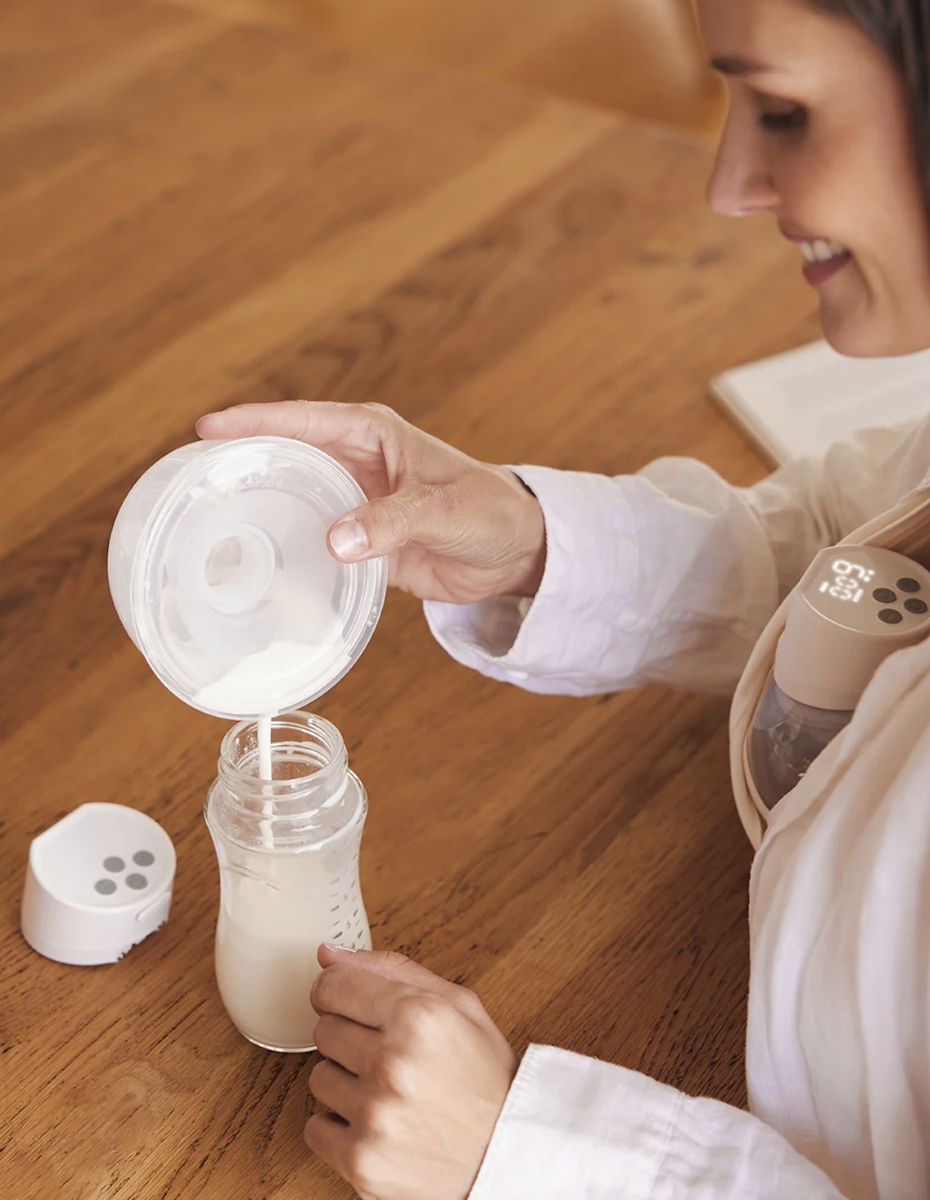
Photo Courtesy: Momcozy
Advantages of Multitasking Mothers
This is where things really shift. It’s not just about being able to walk around while you pump. It’s about reclaiming those little slivers of time throughout the day.
Freedom & Flexibility
With a hands free pump, I’m not frozen in place. I can prep snacks, fold laundry, even just sit with my toddler while she plays, without feeling like I’ve stepped out of mom mode to handle pumping. It all blends together more easily now.
Portability & Discretion
These pumps are small and quiet. That might not sound like much, but when you’re out and about, or even just trying not to wake a sleeping baby, quiet matters. And being able to pump in the car or at my desk has made a big difference.
Comfort & Efficiency
Honestly, comfort was one of my biggest concerns. I didn’t want to trade function for convenience. But the better models have soft silicone shields that may not feel good exactly, but not uncomfortable either. Once you find your settings, it’s efficient too. I get a full session done while replying to emails or reading bedtime stories.
Maintenance of Milk Supply
Here’s the thing. When pumping feels like a hassle, it’s easier to skip it. And that’s when supply drops. With a hands free pump, it’s less of a production, so I’m more consistent. That consistency has helped me maintain my supply, even through busier or more stressful weeks.
Technical Specs & Innovations
If you’re the type who wants the tech details, most hands free pumps now come with USB charging, customizable suction settings, and fit securely in standard nursing bras. Some even have memory functions for your favorite settings. Not essential, but nice. The newer models with app support can track time and volume, which can be useful when you’re too tired to remember anything.
Choosing & Using Hands Free Pumps Effectively
Not all pumps are created equal, so picking the right one takes a bit of research. And trial and error.
Model Selection & Features to Prioritize
Start with comfort. Breast shield size matters more than you might think. Then consider battery life, noise level, and whether app features appeal to you. If you think you’ll pump on the go a lot, a fully cordless, self-contained unit might be worth the investment. The Momcozy S12 Pro checks many of these boxes with its hospital-grade suction, quiet cordless design, and user-friendly features like a memory function and LED display, all packed into a sleek, wearable pump.
Common Challenges & Solutions
Not every session goes smoothly. Sometimes the suction feels off, or the alignment’s wrong, or nothing seems to come out. When that happens, I remind myself it’s okay to adjust. Play with the settings. Check the fit. And sometimes, I just pause and try again later. That’s okay too.
Cost & Accessibility
Prices vary wildly. Some entry-level models are affordable, but the higher-end ones, especially those with Bluetooth or hospital-grade suction, can get expensive. Still, it’s worth checking with your insurance. Many plans now cover at least part of the cost. I almost missed that.
Conclusion
Motherhood is already so much. Anything that gives you even a little breathing room matters more than you’d think.
Hands free pumps haven’t made life easy, exactly. But they’ve made it easier. I can move through my day without having to hit pause every few hours. I can care for my baby without always putting everything else on hold. And that balance, or the attempt at it, that’s been everything.
If you’re feeling pulled in too many directions, hands free pumping might just be the small shift that helps. It was for me.