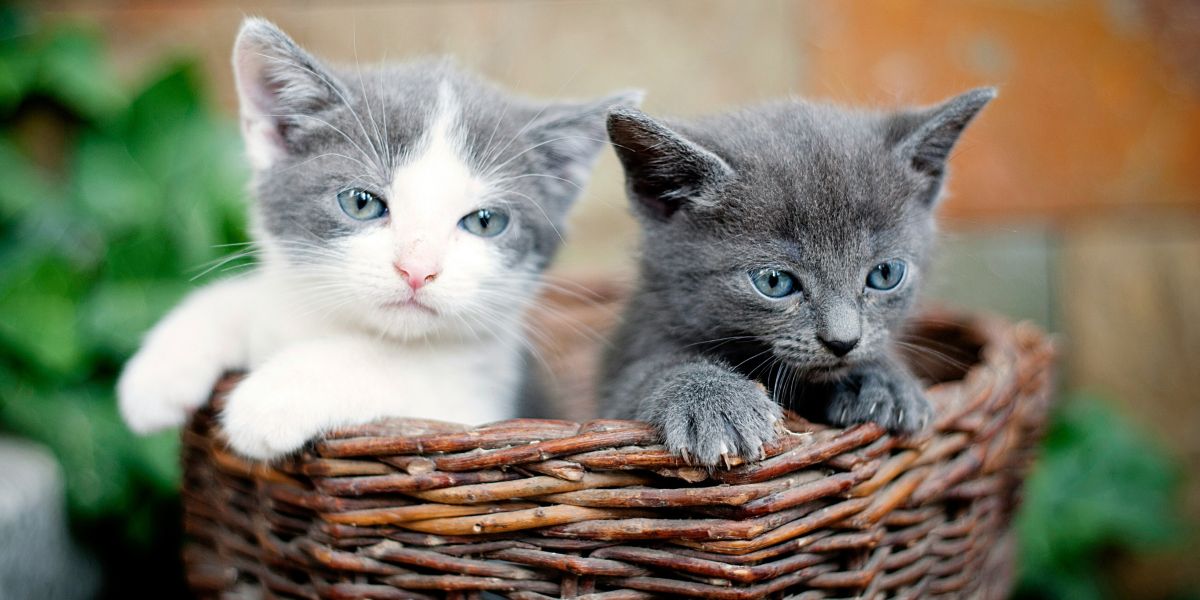


Among pedigree cats available in the U.S. companion animal market, British Shorthair kittens occupy a distinct niche defined by temperament stability, low-maintenance care requirements, and a highly standardized phenotype. For buyers searching for British Shorthair kittens, British Shorthair for sale, or evaluating British Shorthair breeders, the breed’s appeal is not merely aesthetic. It is rooted in predictable behavioral traits, manageable health profiles, and suitability for modern indoor living. This article provides a technically grounded, acquisition-to-care overview of British Shorthair kittens, designed for prospective owners who value structured decision-making, verifiable breeder practices, and long-term welfare outcomes.
British Shorthair Kittens: Calm, Elegant, and Friendly
The British Shorthair is a medium-to-large, cobby-bodied breed characterized by dense musculature, a broad thorax, and a short but extremely plush double coat. Its phenotype is the result of deliberate breed stabilization rather than recent aesthetic-driven selection, which contributes to its overall genetic consistency.
Temperamentally, British Shorthair kittens exhibit low reactivity and high emotional regulation compared to more extroverted or high-drive breeds. Ethological assessments consistently place them in the “observer-participant” category: socially engaged but not intrusive. This makes them especially compatible with households seeking companionship without constant physical demand.
The iconic blue British Shorthair coloration, a uniform blue-gray coat with copper or gold eyes, is the most commercially recognized variant. However, certified breeding programs also produce a range of solid, tabby, bi-color, and colorpoint patterns, all governed by strict coat density and texture standards. When evaluating British Shorthair kittens for sale, coat quality should be assessed by resilience, undercoat density, and even distribution rather than color saturation alone.
From a developmental standpoint, British Shorthairs mature slowly. Full muscular and skeletal development may take up to three years, a factor that influences nutrition planning and growth monitoring during kittenhood.
Where to Find Certified British Shorthair Breeders
Locating ethical and technically competent British Shorthair breeders is the most consequential step in the acquisition process. The term “breeder” is unregulated in many jurisdictions; therefore, certification and transparency are the primary risk filters.
Certified breeders operate registered British Shorthair catteries affiliated with recognized associations such as TICA or CFA. These organizations impose standards for pedigree documentation, breeding frequency, and welfare conditions. Legitimate breeders will provide multi-generation pedigrees, disclose inbreeding coefficients when requested, and supply veterinary records for both kittens and breeding adults.
When assessing a breeder or listing advertising British Shorthair for sale, apply a documentation-first approach. Breeders should readily supply:
- Proof of registration and cattery affiliation
- Veterinary health certificates and vaccination records
- Screening results for breed-relevant conditions
- Clear age-at-release policies (typically 12 weeks minimum)
Avoid sellers who emphasize speed of delivery, refuse live interaction, or downplay the importance of health testing. Ethical breeders prioritize placement quality over transaction velocity.
Adoption pathways also exist through breeder retirements and breed-specific rescues, where individuals may adopt a British Shorthair kitten or young adult. While pedigree documentation may be limited in rescue contexts, veterinary assessment and behavioral observation are often robust, making this a viable option for companion-focused homes.
British Shorthair Care Tips
British Shorthairs are widely regarded as “easy-care” cats, but this descriptor should not be conflated with minimal responsibility. Their care requirements are simply more predictable and less labor-intensive than those of long-haired or high-drive breeds.
The following system-level care framework reflects best practices for maintaining physical health, coat integrity, and behavioral stability:
- Nutrition Management: Feed a protein-forward diet (minimum 30–35% crude protein dry matter) with controlled caloric density to help prevent early-onset obesity, a known risk in sedentary lines.
- Weight and Growth Monitoring: Track weight monthly during the first year and quarterly thereafter. British Shorthairs gain mass gradually; sudden increases may indicate caloric imbalance rather than healthy growth.
- Coat Maintenance: Brush once weekly to remove loose undercoat and distribute skin oils. During seasonal shedding, increase frequency to prevent hair ingestion.
- Activity Regulation: Provide moderate daily play sessions. While not hyperactive, British Shorthairs benefit from short, consistent interactive play to maintain lean muscle mass.
- Veterinary Oversight: Schedule routine wellness exams and monitor for early signs of hypertrophic cardiomyopathy (HCM), particularly in lines with documented prevalence.
- Environmental Stability: Maintain consistent routines and minimize abrupt environmental changes; this breed demonstrates a strong preference for predictability.
When these care elements are treated as integrated systems rather than isolated tasks, British Shorthairs tend to demonstrate exceptional longevity, low behavioral friction, and stable health trajectories across their lifespan.
Breed Health Profile and Expectations
From a clinical perspective, British Shorthairs are considered a relatively robust breed. However, no pedigree cat is exempt from inherited risk. HCM remains the primary condition of concern, necessitating breeder-level screening and periodic veterinary monitoring.
Unlike brachycephalic breeds, British Shorthairs do not exhibit severe airway compromise, although some lines may show mild facial shortening. Eye health is generally stable, and their dense coat does not mat, which reduces dermatological risk compared to long-haired breeds.
The table below summarizes baseline health and care expectations for British Shorthair kittens.
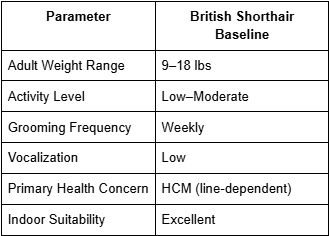
This profile explains why British Shorthair kittens are frequently recommended for apartment living and first-time cat owners.
Why Adopt a British Shorthair Kitten
The decision to adopt a British Shorthair kitten is often driven by lifestyle compatibility rather than novelty. This breed integrates seamlessly into environments where calm presence, independence, and low maintenance are valued.
British Shorthairs are particularly well-suited to professionals, families with older children, and multi-cat households where territorial conflict must be minimized. They are affectionate without being demanding and form strong bonds without exhibiting separation-driven behaviors.
From a long-term ownership perspective, British Shorthairs offer predictable costs, manageable grooming, and stable temperament, all variables that may reduce relinquishment risk. Whether sourced from a certified breeder or an adoption pathway, their consistency makes them a low-volatility companion animal.
Ethically, supporting reputable breeders or rescue programs contributes to the preservation of breed health and discourages unregulated production. Buyers who prioritize documentation, welfare standards, and responsible placement directly influence market behavior.
Final Considerations Before Purchase or Adoption
Before finalizing any British Shorthair for sale listing, conduct a full review of documentation, health disclosures, and seller transparency. Do not mistake visual appeal for genetic quality; evaluate lineage, screening protocols, and post-placement support.
British Shorthair kittens tend to reward methodical selection with years of calm companionship, making them an optimal choice for owners seeking elegance without excess complexity.
If you are evaluating British Shorthair kittens and want a structured review of breeder credibility, health documentation, or listing quality, gather the available records and request an expert assessment before you commit.