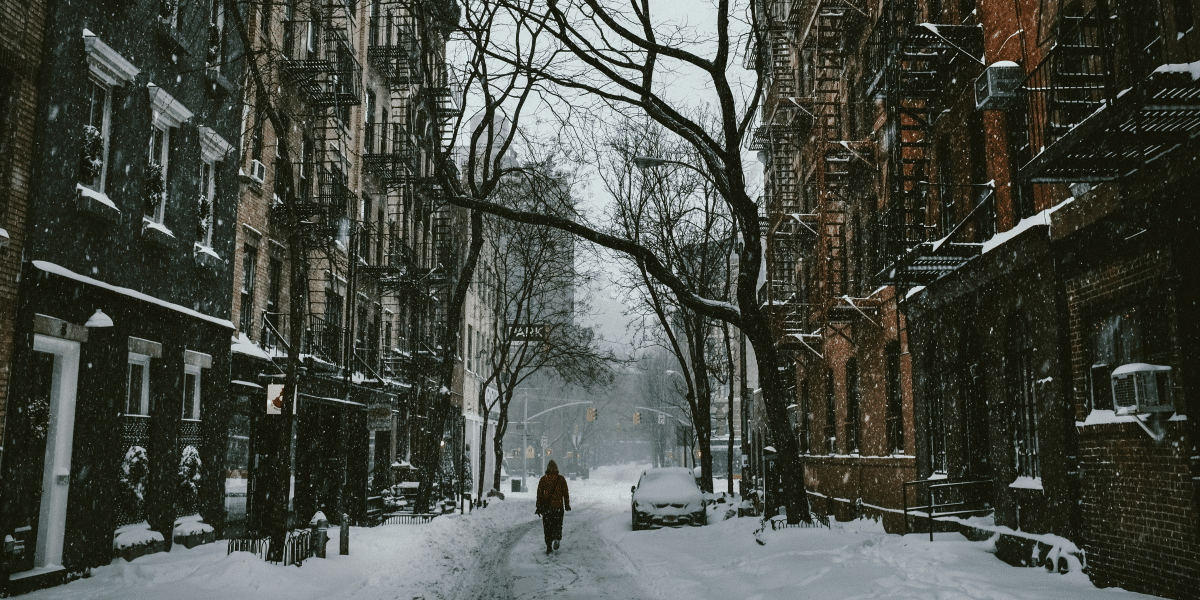


As the days grow shorter and the air turns crisp, it’s time to think about preparing your home for winter’s chill. Winterizing isn’t just about comfort; it’s about protecting your investment and saving money on energy bills.
By taking a few simple steps, you can ensure a cozy, efficient home throughout the season, avoiding costly repairs and keeping your family safe and warm when temperatures plummet. So, let’s dive into the essential checklist for winterizing your home, inside and out.
Preparing Your Home Interior
Preparing the inside of your home for winter involves more than just cranking up the thermostat. It’s about creating a safe, comfortable, and efficient environment to weather the coldest months. Here’s what you need to tackle indoors:
Heating System
The heart of your home’s warmth, your heating system, deserves a thorough check-up before winter sets in. Schedule a professional inspection and tune-up to ensure optimal efficiency and identify any potential issues before they escalate. If you have a heater working with heating oil, you can even order it if your tanks are empty.
For an instance, if you live in Long Island and find your tank unexpectedly empty, there’s no need to panic. Numerous fuel delivery services in the area, such as Long Island fuel oil delivery NY, offer prompt delivery, often within 24 hours. Many even provide oil monitoring systems, allowing you to conveniently check your oil levels directly from your smartphone.
Plumbing
Frozen pipes are a nightmare, often leading to burst pipes and water damage. Prevent this disaster by insulating pipes located in unheated areas like basements, crawl spaces, and attics. Pay close attention to pipes near exterior walls.
Familiarize yourself with the location of your main water shut-off valve. Knowing how to quickly turn off the water in case of a frozen pipe can save you from a major headache.
Fireplace and Chimney
Before you cozy up to a crackling fire, prioritize safety. Hire a certified chimney sweep to inspect and clean your fireplace and chimney. They’ll remove creosote buildup, which can be a fire hazard, and check for any damage or obstructions.
Ensure the flue is in good working order, opening and closing properly. Store firewood in a dry, elevated location away from the house to deter pests and prevent moisture damage.
Ventilation
Proper ventilation is key to a healthy home, even in winter. Clean or replace the filters in your kitchen and bathroom exhaust fans to maintain good air quality. Additionally, adequate attic ventilation should be ensured to prevent the formation of ice dams, which can cause roof leaks and damage.
Exterior Preparation
A well-maintained exterior is your home’s first line of defense against winter’s wrath. By tackling these areas, you’ll prevent drafts, leaks, and potential damage.
Roof and Gutters
Start at the top: your roof and gutters. Inspect your roof for missing or damaged shingles, and ensure all flashing is secure. Clear out leaves, twigs, and debris from gutters and downspouts to prevent clogs and ice buildup. If you live in an area with heavy snowfall, consider installing gutter guards.
Exterior Walls and Foundation
Carefully examine your exterior walls for cracks or gaps, paying close attention to areas around windows, doors, and utility lines. Seal any openings with caulk to prevent drafts and water infiltration. Check for proper grading around your foundation, ensuring that water drains away from the house.
Windows and Doors
Windows and doors are notorious for heat loss. Install weatherstripping around door frames and apply caulk around window frames to seal out cold air. Consider investing in storm windows or using window insulation film for added protection. Replace any worn or damaged door sweeps to prevent drafts from sneaking in under the door.
Outdoor Plumbing
Exposed pipes are vulnerable to freezing. Drain and insulate outdoor faucets and disconnect garden hoses. If you have a sprinkler system, have it professionally winterized to prevent damage.
Additional Tips for Energy Efficiency and Comfort
Maximizing energy efficiency and maintaining a comfortable home throughout winter go hand in hand. Here are some additional tips to consider:
- Insulation: Check your attic’s insulation and add more if needed. Consider insulating walls and floors for greater heat retention.
- Draft-proofing: Seal gaps around electrical outlets, light switches, and baseboards with caulk or foam sealant. Use draft stoppers to block drafts under doors.
- Energy-efficient lighting: Replace incandescent bulbs with energy-saving LEDs. Install dimmer switches to control lighting levels and reduce energy consumption.
- Smart power strips: Plug electronics into smart power strips to reduce phantom energy draw when devices are not in use.
Takeaway
Winterizing your home is an investment that pays off in comfort, safety, and energy savings. By tackling this checklist, you’ll transform your house into a cozy haven, ready to withstand whatever winter throws your way. So, roll up your sleeves, gather your tools, and embark on this essential project. A little effort now can make a world of difference when the snow starts falling.
Published by: Martin De Juan