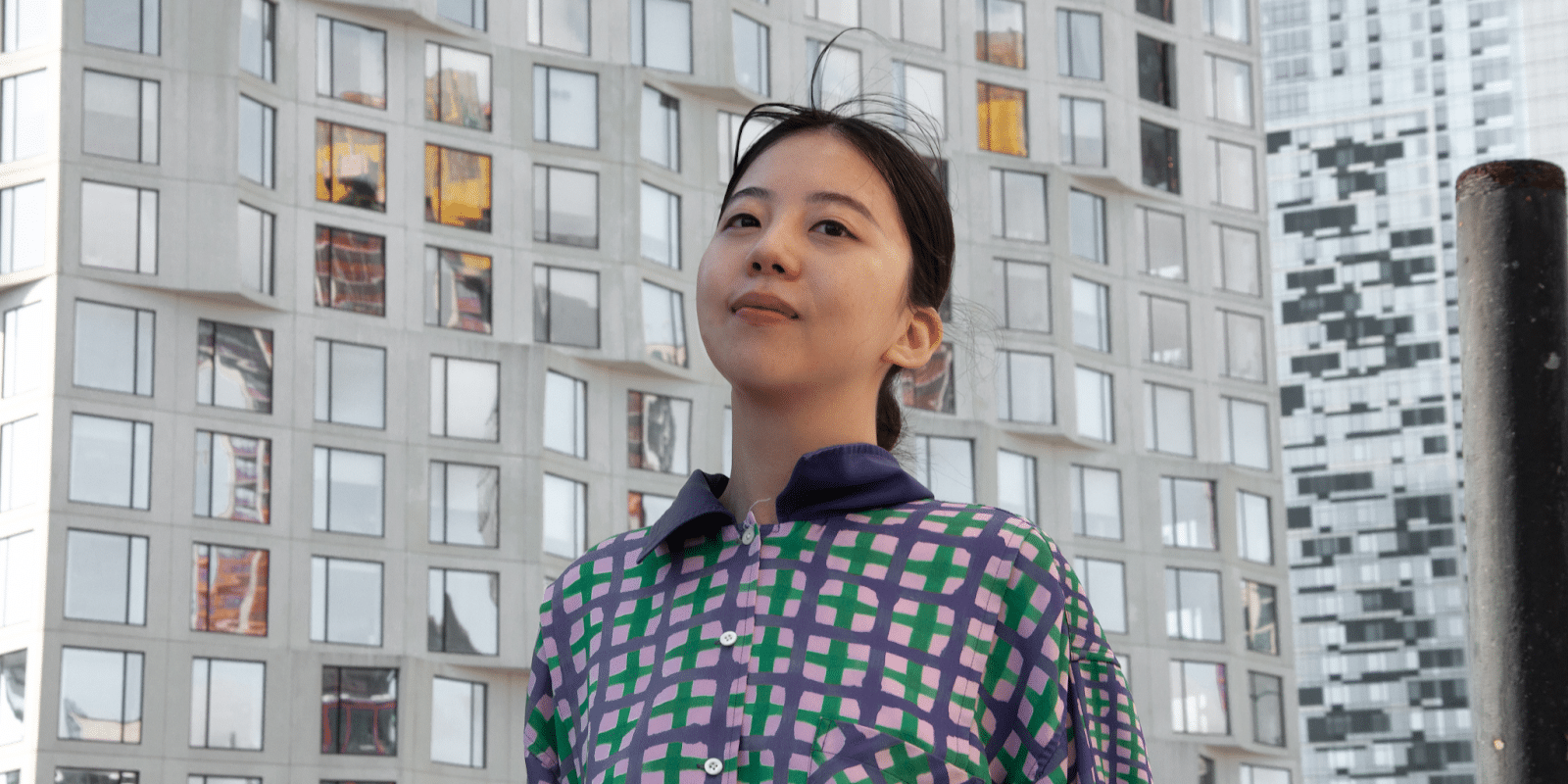


In the vast world of architecture, where space and structure converge to create environments that shape our daily lives, Eefee Wu is a visionary architect whose work transcends traditional boundaries to explore the deeply embedded connections between people and their environments. Through a blend of personal experiences, professional projects, and a unique philosophical approach, Wu has established itself as a leading figure in contemporary architecture.
Early Inspirations: A Childhood Enveloped in Tradition
The roots of Eefee Wu’s architectural fascination trace back to their childhood experiences at their grandparents’ traditional masonry courtyard house on the outskirts of Shanghai. This house, characterized by its dark wooden doors that screeched when opened and the sturdy wooden floors that echoed with every footstep, served as Wu’s first encounter with architectural space. The daily routine of drawing water from the courtyard well and navigating through the house’s dimly lit, maze-like corridors became foundational memories for Wu, embedding a deep appreciation for the nuances of architectural design and the ways spaces can influence human interaction.
The Courtyard House: A Lifelong Influence
The courtyard of the family home, a seemingly mundane space, became a sanctuary for young Wu, a contrast to the chaotic kitchen where boundaries between walls and ceilings seemed to dissolve. This early contrast between the tranquility of the courtyard and the disarray of the kitchen highlighted for Wu the profound impact of architectural design on human emotions and activities. Years later, returning to the now smaller, aged house, Wu realized that their memories of the place had transformed along with their personal growth and understanding, sparking a lifelong interest in the mutable nature of architectural spaces.
Professional Philosophy: Architecture as a Living Entity
In their professional life, Wu challenges the conventional view of buildings as static, immovable structures. Instead, they propose that buildings, like the memories they house, are dynamic entities subject to change over time. This perspective is vividly illustrated in Wu’s projects, where they often reimagine traditional spaces with modern sensibilities, ensuring that architecture serves its functional purpose and resonates with the cultural and historical contexts of its surroundings.
Innovative Design Projects
One of Wu’s notable projects, the reimagining of 432 Park Avenue, delves into the evolution of domestic spaces, mainly focusing on the ratio of bathrooms to living areas over the centuries. This project showcases Wu’s ability to blend historical data with modern design trends to create spaces that reflect contemporary lifestyles while acknowledging their historical antecedents.
In another ambitious project, Wu tackles integrating traditional brick structures with modern architectural needs on a university campus. This project involves designing facades that are not only functional but also engage with the environment and the community, providing spaces that are both inclusive and inspiring.
Wu’s work often critiques traditional domestic layouts, perpetuating outdated gender roles and social hierarchies. Wu aims to foster environments that promote equality and shared responsibilities by exploring communal living arrangements and redesigning common living spaces. This approach challenges architectural norms and addresses broader societal issues through design.
Philosophical Insights: The Intertwining of Architecture and Human Experience
At the core of Wu’s philosophy is the belief that architecture is not merely about creating functional spaces but about understanding and shaping human experiences. Wu views buildings as frameworks within which complex human relationships are played out, reflecting broader social, economic, and cultural dynamics. This perspective is evident in Wu’s explorations of how architectural spaces can both reflect and influence human behavior and societal norms.
Numerous publications and exhibitions showcase Eefee Wu’s contributions to architectural discourse. In Fall 2022, Wu contributed to “Timber in Architecture” by Shigeru Ban, published by Rizzoli, exploring innovative uses of wood in building design. Spring 2021 saw Wu featured in “Pairs 2,” a GSD publication highlighting diverse architectural approaches.Their profound insights were also detailed in their thesis, published in the Spring of 2020, presenting groundbreaking ideas that further their architectural philosophy. Wu’s influence also extends to exhibitions, notably at the A+D Museum Exhibition: “The Los Angeles Schools” in the Fall of 2019, which gathered contemporary thinkers in architecture to explore new theoretical and material frameworks. Wu has significantly shaped the dialogue in contemporary architecture through these publications and exhibitions, influencing peers and the upcoming generation of architects.
Future Directions: A Vision for Progressive Architecture
Looking ahead, Eefee Wu continues to push the boundaries of traditional architecture, advocating for designs that are adaptive, inclusive, and reflective of human needs and environmental sustainability. With each project, Wu demonstrates that when thoughtfully and creatively approached, architecture can transform not just physical spaces but also the lives of those who inhabit them.
Eefee Wu’s career is a testament to the profound impact that thoughtful, innovative architectural design can have on our understanding of space and community. Through a unique blend of personal history, professional excellence, and a deep philosophical commitment to understanding the human aspects of architecture, Wu has carved out a distinctive niche in the architectural world, challenging us to see buildings not just as structures but as living entities that shape and are shaped by human lives.
Published By: Aize Perez