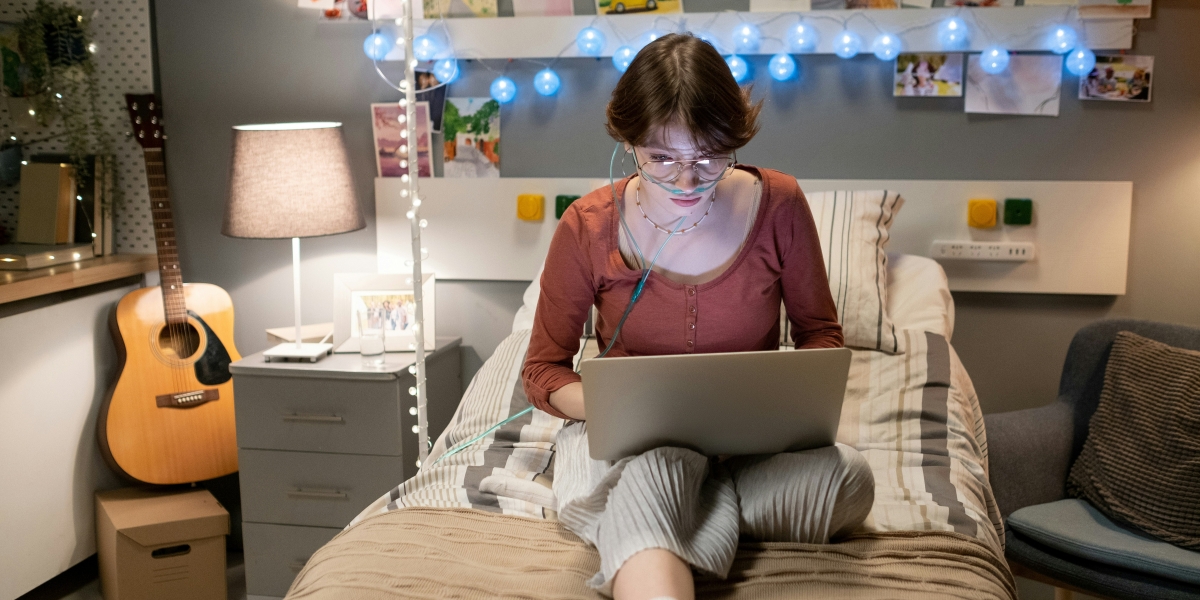


Managing respiratory health should not feel like a full-time job. For many individuals and caregivers, the introduction of home oxygen or breathing support systems brings a mix of relief and technical confusion. While these tools are vital for maintaining an active lifestyle and ensuring long-term wellness, the initial setup and daily maintenance can often feel overwhelming.
Learning to integrate this equipment into your routine is the first step toward regaining your independence and focusing on what truly matters in your daily life. Modern advancements in medical technology have made it much easier to streamline your respiratory care without sacrificing comfort or mobility.
Why Do We Need Extra Oxygen?
Healthy lungs naturally draw oxygen from the air and deliver it to the bloodstream to fuel the body. When lungs are damaged by conditions such as COPD or pulmonary fibrosis, they struggle to transfer enough oxygen on their own. The body sometimes needs a boost to maintain healthy function. Oxygen therapy bridges the gap between what your lungs can do and what your body needs.
Doctors write oxygen prescriptions in liters per minute (LPM). Think of this setting as turning up a faucet where a higher number means more oxygen flows through the tubing. SpO2, measured with a small fingertip pulse oximeter, shows your oxygen saturation level. Your doctor will provide the specific saturation level you should stay above to ensure your organs receive adequate energy.
Read on to discover how these four straightforward methods can transform your approach to home respiratory care.
Centralize Your Equipment Station
Establishing a dedicated hub for your respiratory tools eliminates the stress of searching for supplies during the day. A central station keeps your tubing, filters, and backup tanks in one accessible location while preventing medical clutter from spreading throughout your living space. This organized approach ensures that everything from pulse oximeters to cleaning wipes stays within arm’s reach.
Concentrators vs. Tanks
Choosing the right hardware is the foundation of a reliable home setup. An oxygen concentrator is an electronic device that pulls room air through filters, removes nitrogen, and sends nearly pure oxygen to your cannula. Because it makes oxygen on the spot using electricity, you never run out as long as you have power.
Many users find that RespShop’s oxygen concentrators offer the quiet efficiency and streamlined design necessary for a permanent home station. Placing these units in a well-ventilated, central room makes it easier to manage tubing across multiple areas of the house. In contrast, tanks and cylinders arrive pre-filled with compressed gas and empty over time.
Quick Setup Essentials
- Ventilation: Keep the machine at least six inches away from walls or curtains.
- Accessibility: Use a low-profile rolling cart to move easily between rooms.
- Power Safety: Plug your primary unit directly into a wall outlet rather than using extension cords.
Streamlining your environment is particularly important given the scale of respiratory care today. Recent data indicate that nearly 1.5 million American adults currently rely on supplemental oxygen to manage various chronic breathing conditions. Creating a professional, organized station helps you manage this vital therapy with the same efficiency as any other part of your home office or daily routine.
Use Long, Tangle-Free Tubing
Standard oxygen tubing often limits your movement and creates trip hazards. Upgrading to a high-quality, non-kinking extension line allows you to move between rooms without dragging your concentrator behind you. This simple change transforms a stationary medical setup into a flexible system that supports your active daily life.
Managing the extra length is the key to maintaining safety. Specialized swivel connectors prevent the line from twisting into tight coils as you walk. These small plastic links rotate 360 degrees to keep the airflow consistent and the tubing lying flat on the floor.
Essential Tubing Features
- Anti-Kink Interior: Look for star-shaped lumens that remain open even if the tube is bent.
- Swivel Connectors: Attach these between the cannula and the main line to stop tangles.
- High-Visibility Colors: Green or blue-tinted lines are easier to spot on the floor than clear ones.
Safety and Maintenance
- Maximum Length: Keep extension lines under 50 feet to ensure oxygen pressure remains stable.
- Clear Pathways: Use adhesive cord clips along baseboards to tuck away excess slack.
- Replacement Schedule: Swap out your main extension tubing every 60 to 90 days for optimal hygiene.
Weekly Clean-and-Check Ritual
Consistent maintenance prevents unexpected equipment failure and ensures the air you breathe remains sterile. Establishing a specific day for your “Clean-and-Check” ritual transforms a technical chore into a predictable habit. This proactive approach identifies wear and tear before it affects your oxygen delivery or machine performance.
Bacteria and dust naturally accumulate on filters and nasal cannulas over time. A quick, systematic inspection once a week helps protect your lung health and extend the lifespan of your concentrator. Keeping a simple log or digital reminder helps you track when parts need replacing rather than guessing based on appearance.
The Cleaning Checklist
- Cabinet Filter: Rinse external foam filters in warm water and air-dry completely.
- Nasal Cannula: Wash daily with mild soap; replace every 7 days.
- Humidifier Bottle: Empty any stagnant water and refill with distilled water only.
- Machine Exterior: Wipe down the casing with a damp cloth to remove dust buildup.
Performance Verification
- Power Check: Test your backup battery or portable tanks to ensure they are fully charged.
- Alarm Test: Briefly unplug the unit while it is running to verify that the “Power Failure” alert sounds.
- Tubing Audit: Feel along the entire length of your line for cracks or thin spots.
Evaluating At-Home Equipment Options
Selecting the right breathing support system requires balancing medical necessity with your lifestyle goals. A high-performing unit should fit into your home environment without requiring constant technical adjustments.
Choosing between continuous-flow and pulse-dose delivery is the most critical decision for new users. Continuous flow units provide a steady stream of oxygen regardless of your breathing pattern, while pulse dose machines deliver a burst of oxygen only when you inhale. This distinction determines whether your equipment is a stationary fixture or a portable companion.
Key Evaluation Factors
- Sound Level: Aim for units operating under 45 decibels to maintain a quiet home.
- Liter Flow: Ensure the machine exceeds your prescribed flow rate for future needs.
- Power Draw: Check the wattage to avoid high monthly utility bills.
- Serviceability: Look for brands with accessible internal filters for easier home repair.
Stationary vs. Portable Units
- Stationary Units: Offer higher flow rates and 24/7 operation for overnight use.
- Portable Units: Provide mobility for travel and errands with rechargeable batteries.
- Hybrid Systems: Include home-fill stations that allow you to fill small tanks yourself.
Modern options vary significantly in power consumption, weight, and delivery methods, making a side-by-side comparison essential for long-term satisfaction.
Tips for Living Comfortably With Oxygen at Home
1. Talk With Family & Friends Early
Explain how the tubing works and set simple ground rules immediately. Make sure visitors know there are no open flames allowed near you or the equipment. Ask them to be mindful of tubing to avoid tripping hazards during their visit.
2. Understand Your Concentrator’s Maintenance Schedule
Don’t rely on memory alone to keep your machine running safely. Stick a simple reminder chart on your fridge. Note exactly when to wash filters and swap tubing to prevent confusion.
3. Practice Everyday Fire Safety
Place “No Smoking – Oxygen in Use” cards clearly on the front door. When visiting friends in colder months, bring safe alternatives like rechargeable heated gloves. Avoid using chemical hand warmers or standing near fire pits to stay safe.
4. Track Symptoms & Call Your Clinician
Bluish lips, sudden weight gain from fluid retention, or increasing breathlessness can signal infections. These signs may also indicate heart strain requiring medical attention. Call your healthcare provider sooner rather than later if you notice these changes.
The Path Forward
Home oxygen therapy doesn’t have to be complicated or frightening. With the right device, a solid maintenance routine, and clear communication with your healthcare team, you can stay active. Keep learning, keep asking questions, and keep breathing easy. Your home is now your best place to heal.
| Author Profile: RespShop is a leading online retailer of CPAP machines, masks, and oxygen therapy equipment for individuals managing sleep apnea and respiratory conditions. |
Disclaimer: This article is for educational purposes only and is not a substitute for professional medical advice. Always consult your healthcare provider before starting or changing any oxygen therapy or respiratory treatment.