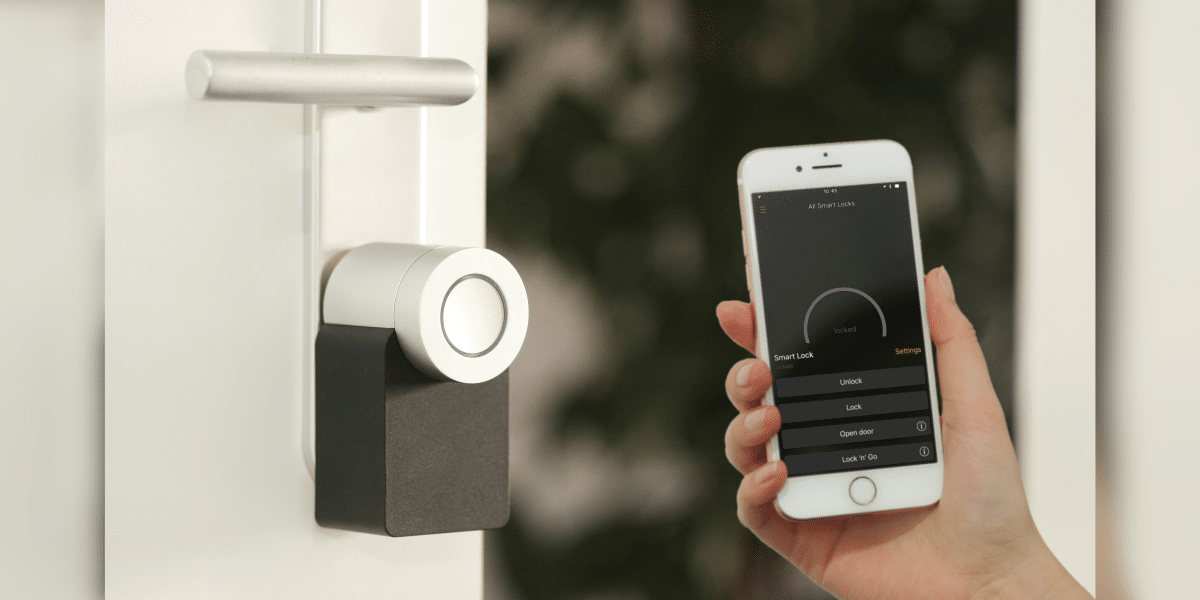


Image Commercially Licensed from: Unsplash
The future of smart living isn’t about flying cars and robotic maids. It’s about whispering ‘good morning’ to your lights as they bathe your bedroom in sunlight and stepping into a pre-heated kitchen as the aroma of coffee dances in the air.
This is the quiet revolution of smart homes, where technology melts into the background of your home. But before you get swept away by the siren song of smart plugs and voice-activated toasters, hold on.
Building a smart home isn’t just about throwing tech at your walls and hoping it sticks. It’s about crafting a meticulous symphony of connectivity, where devices talk to each other, and data flows seamlessly.
So, ditch the tangled mess of wires and unreliable connections and step into the future with intention. Let’s navigate the exciting terrain of smart home design together, ensuring your journey is paved with efficiency and security.
Chart Your Course: Mapping Your Smart Home Blueprint
Before anything else, take a moment to step back and envision your ideal smart home. What rooms do you want to automate? How will these features enhance your daily life, not just add complexity? Do you dream of waking up to pre-brewed coffee and a gently warmed bathroom floor, or is a simple automated security system more your style?
This ensures no technological dead ends and frustrating incompatibilities. You won’t find yourself with a voice-activated toaster that speaks Mandarin when you only speak English or a smart lock that requires a tap dance routine to unlock.
The Brains Of The Operation: Choosing The Right Hub
Choosing the right one can be the difference between a flawlessly choreographed performance and a cacophony of disconnected devices.
Think of it like this: you wouldn’t build a house without a solid foundation, and your smart home needs a similar anchor point. A hub like MyPlace acts as the central nervous system, coordinating communication between your devices.
Here’s what to consider:
- Compatibility: Not all hubs play nice with all devices. So, choose a hub that speaks the language of your preferred brands and protocols.
- Scalability: Your smart home aspirations shouldn’t be cramped by your hub’s limitations. Choose a scalable hub that can expand alongside your tech ambitions.
- Features: Identify the features that truly enhance your daily life, whether it’s dimming the lights for movie nights or automating the thermostat for ultimate comfort.
With these steps, you’ll find the perfect hub to conduct the symphony of your smart home, ensuring each device plays its part in perfect harmony.
Network Nirvana: Building A Robust Foundation
Your smart home isn’t magic. It’s powered by a strong, reliable internet connection. Upgrade your Wi-Fi, if necessary, especially for bandwidth-hungry devices like streaming cameras. Also, consider a mesh network for larger homes, ensuring consistent coverage in every corner.
Pick Your Players: Choosing Compatible Devices
Choosing compatible devices is like building a team. You wouldn’t mix chess pieces with football players, would you?
Similarly, your smart home thrives on coherence. Sticking to brands and protocols that play well together ensures your devices speak the same language. Think of it as a universal translator for your gadgets, preventing communication breakdowns and ensuring smooth operation.
Researching device reviews and user experiences becomes your scouting report. Look for compatibility badges and user feedback on specific hub pairings.
Location, Location, Location: Strategic Device Placement
Think about signal range and interference when placing your devices. Smart plugs might need a dedicated outlet near appliances, while motion sensors benefit from strategic placement in hallways or entryways.
Remember, some protocols, like Zigbee, excel at mesh networking, extending the reach of your signal through strategically placed devices.
Channel Champions: Choosing The Right Protocols
Each protocol has its strengths and weaknesses. Wi-Fi offers high bandwidth but can be energy-hungry. Zigbee and Z-Wave are low-power champions, perfect for battery-powered devices. Consider a mix-and-match approach based on your device’s needs and desired functionalities.
Security Savvy: Guarding Your Smart Domain
Treat your smart home network like a digital vault, fortifying it with:
- Sturdy Passwords: Ditch the predictable, embrace the complex. Strong, unique passwords for your Wi-Fi and individual devices are your first line of defense.
- Guest Access Control: Offer temporary internet access to visitors without compromising your internal network.
- Firmware Updates: Don’t let vulnerabilities linger. Regularly update your devices’ firmware to patch security gaps and keep your smart home shielded.
Vigilance is key. With these security measures, you can unlock the potential of your smart home with peace of mind, knowing your haven is safe from digital intruders.
Bonus Tip: The Power Of Play
Don’t be afraid to experiment and have fun! Smart home technology is constantly evolving, so try new devices, tweak your routines, and embrace the endless possibilities. Your smart home is a journey, not a destination.
Parting Thoughts
Building a smart home is more than just buying gadgets. It’s about crafting a connected ecosystem that works for you. With these tips, you can ensure your smart home isn’t just flashy but a seamless extension of your everyday life.
So, step into the future, one strategically placed smart plug at a time, and watch your home blossom into a haven of comfort and convenience.
Published by: Nelly Chavez