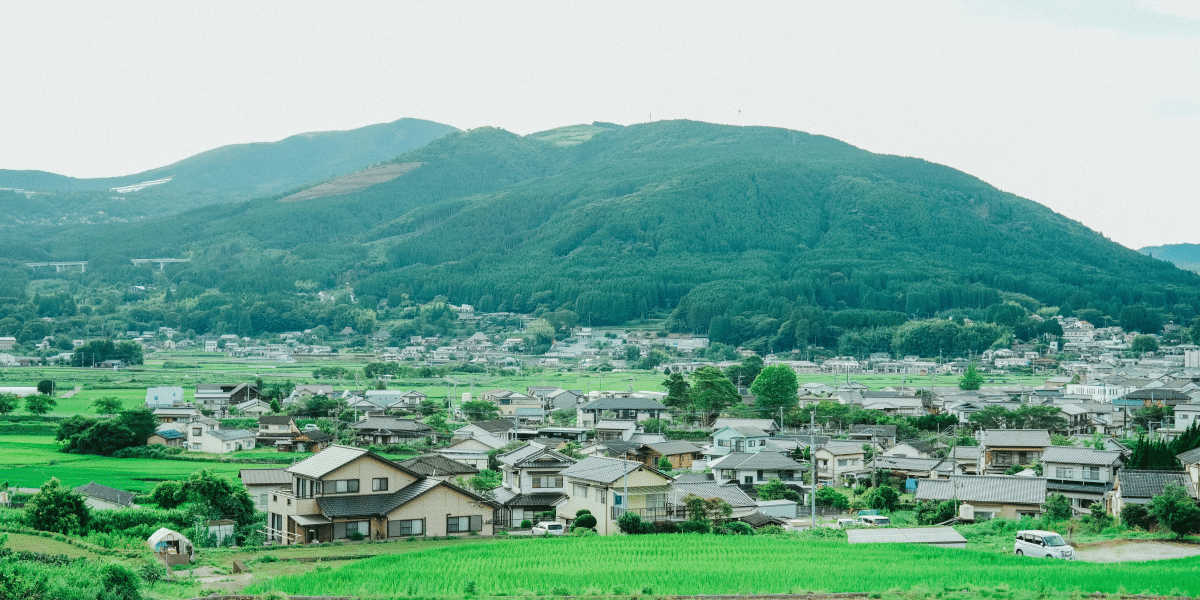


South Korea’s countryside is a treasure trove of cultural heritage sites that offer a deeper connection to the nation’s rich history, away from the hustle and bustle of city life. From ancient temples nestled in the mountains to traditional villages that have remained unchanged for centuries, these sites are perfect for those who want to experience Korea’s cultural and historical essence. Whether you’re a history enthusiast or simply seeking a peaceful escape, here are some must-visit cultural heritage sites in Korea’s countryside.
Hahoe Folk Village: A Journey Back in Time
When exploring cultural heritage sites in the Korean countryside, having a Korea tourist esim is incredibly helpful for navigating remote locations, accessing travel guides, and staying connected with the world. Hahoe Folk Village, located in Andong, is one of the best-preserved traditional villages in South Korea. This UNESCO World Heritage site offers a glimpse into Joseon Dynasty-era life, with its thatched-roof houses, ancient trees, and Confucian traditions.
The village is still inhabited by descendants of the Ryu family, who have lived there for over 600 years. As you wander the village, you’ll find well-preserved traditional houses and a serene atmosphere that feels worlds away from modern city life. You can also witness traditional performances, such as mask dances, which are a highlight for visitors.
The surrounding landscape adds to the charm, with the Nakdong River gently flowing by and Buyongdae Cliff offering panoramic views of the village. If you want to immerse yourself in the experience fully, consider staying overnight at one of the traditional hanok guesthouses in the village.
Bulguksa Temple: A Masterpiece of Buddhist Architecture
Bulguksa Temple in Gyeongju is another UNESCO World Heritage site that showcases Korea’s cultural and spiritual heritage. Built during the Silla Dynasty in the 8th century, the temple is a stunning example of Buddhist architecture and art. Its beautiful stone pagodas, intricate wooden carvings, and serene gardens make it a must-visit for those interested in Korea’s religious history.
The temple is home to several national treasures, including the Dabotap and Seokgatap pagodas and the gilded bronze statues of Buddha. The harmony between the temple’s architecture and the surrounding natural landscape makes it a perfect place for reflection and relaxation.
While exploring the temple and nearby heritage sites, the Internet can provide valuable information about the history and significance of the monuments. It’s also useful for accessing public transportation options or finding local eateries after a day of exploring the temple grounds.
Jeonju Hanok Village: A Living Museum of Korean Culture
Jeonju Hanok Village, located in Jeollabuk-do Province, is famous for its well-preserved traditional Korean houses known as hanok. Unlike many other villages, Jeonju Hanok Village is not just a tourist site but a thriving community where people still live and practice traditional crafts. The village is home to over 800 hanok houses, and visitors can experience traditional tea ceremonies, try on hanbok (Korean traditional clothing), and even learn how to make classic Korean dishes like bibimbap.
Jeonju is also known for its vibrant arts and crafts scene. While wandering the village, local artisans sell handmade crafts, pottery, and calligraphy. It’s a great place to pick up unique souvenirs that reflect Korea’s cultural heritage.
Seonamsa Temple: A Hidden Gem in the Mountains
For those seeking a more off-the-beaten-path experience, Seonamsa Temple in Suncheon offers a tranquil escape in the mountains. This beautiful Buddhist temple is part of the “Seven Mountain Temples,” recently designated a UNESCO World Heritage site. What makes Seonamsa special is its quiet, serene atmosphere, far removed from the tourist crowds.
Lush forests surround the temple complex, which boasts beautiful stone bridges, ancient stupas, and a calm stream that runs through the grounds. Visitors can enjoy a peaceful walk along the scenic trails leading to the temple or participate in a temple stay program, where they can experience monastic life through meditation, tea ceremonies, and communal meals.
Conclusion
Exploring Korea’s countryside and its cultural heritage sites offers a unique and enriching experience for travelers looking to step back in time. From the traditional hanok villages to the majestic Buddhist temples, these sites reveal the depth and beauty of Korea’s history.
Staying connected with a Korean esim makes navigating these often remote locations easier, accessing historical information, and planning your trip efficiently. As you wander through ancient temples, villages, and scenic landscapes, you’ll be able to fully immerse yourself in Korea’s cultural heritage while staying connected to the modern world.
So pack your bags, put on your walking shoes, and get ready to explore the rich cultural history hidden in Korea’s countryside. This experience will leave you with lasting memories and a deeper appreciation for the country’s heritage.
Published by: Holy Minoza