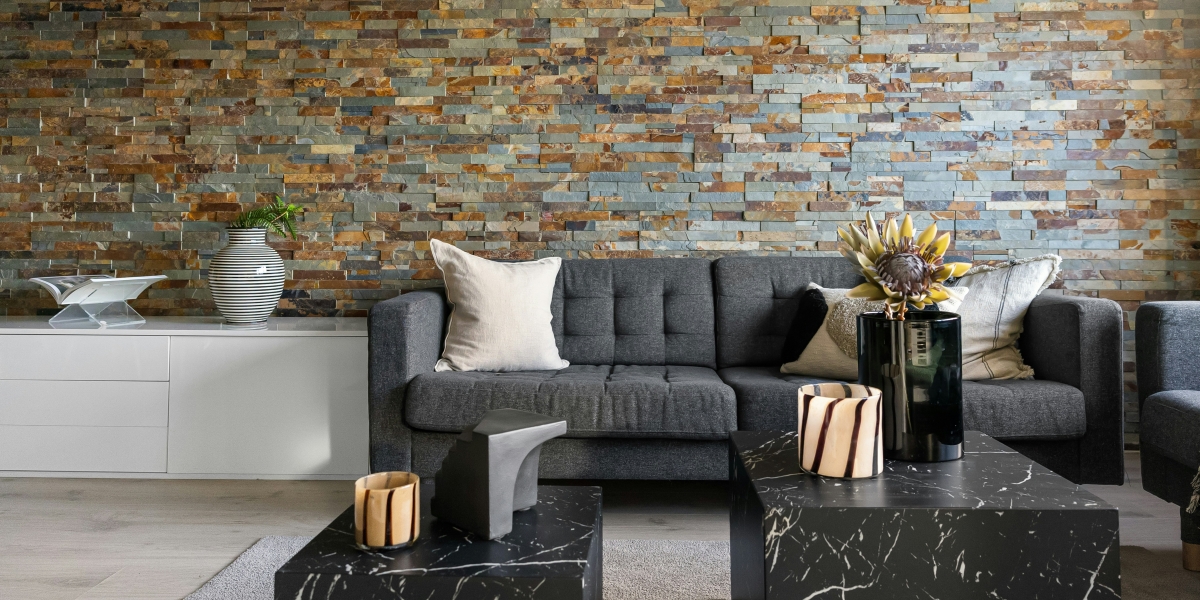


Tile has always been one of the most versatile materials in construction and design. Known for its durability and range, it now plays a more expressive role in interiors. Increasingly, designers, contractors, and homeowners are moving beyond uniform installations to explore tile combinations that add visual depth, define spaces, and extend the longevity of a project.
When thoughtfully planned, mixing tile types can make a space feel intentional and cohesive—without overwhelming the architecture or stretching budgets.
Why Mixed Tile Installations Are Gaining Ground
The concept of combining multiple tile types isn’t new, but the approach has evolved. With broader material variety and more nuanced design thinking, tiles are now used to frame transitions, highlight architectural details, or create balance between textures and finishes—matte against gloss, smooth against rough, light against dark.
This approach brings flexibility, especially useful for remodels or additions. It allows new materials to integrate with existing ones, preserving continuity while refreshing the overall design. Tile, in this sense, becomes less of a single-surface solution and more of a language—expressed through gradients, shifts in scale, and material contrasts.
Material Access Matters
Executing these combinations requires access to a wide selection of materials. Contractors and designers often work under tight timelines and specific constraints, making variety essential. Options may range from natural stone to ceramic, handmade tiles to high-gloss finishes, or traditional squares to elongated hexagons.
Solidshape contributes to this shift by aggregating tile from multiple warehouses and distributors. This model makes it easier to source size-specific formats, locate discontinued stock, or access regional inventory that might not be visible in traditional showrooms. By widening material access, projects have a greater chance of achieving both design intent and functional performance.
Tile as Spatial Strategy
Beyond finishes, tile increasingly plays a role in how space is experienced. A change in pattern can subtly separate a dining area within an open-plan kitchen. Wrapping a curved wall in tile can soften edges, while textured flooring beneath a freestanding tub can anchor the fixture without added furniture.
This approach treats tile as part of spatial strategy rather than just a covering. It encourages longer-term thinking in construction, reduces unnecessary material use, and helps align design goals with functional requirements.
Sustainability Through Smarter Sourcing
Environmental responsibility is another factor reshaping tile use. Sustainability doesn’t always mean new “green” products—it often involves reusing viable materials. Discontinued lines, surplus stock, and reclaimed tile all help reduce waste while maintaining design integrity.
For contractors managing repairs or remodels, access to discontinued stock can prevent unnecessary demolition and preserve continuity with earlier installations. Homeowners extending existing surfaces benefit as well, maintaining consistency across generations of use. Solidshape’s sourcing model supports this by circulating materials that might otherwise remain unused.
Practical Considerations for Installers
From a technical perspective, mixed-tile projects require careful planning. Thickness variations, underlayment adjustments, and grout alignment all affect the outcome. Attention to these details ensures that visual appeal matches structural soundness.
When handled effectively, mixed installations do more than elevate aesthetics—they demonstrate thoughtful planning. This attention to detail can enhance property value, as it signals durability and long-term investment to both clients and future buyers.
Final Thought
Combining tile types is one of the most accessible ways to add richness to design without major structural changes. It relies on collaboration between design and construction teams, careful sourcing, and an openness to contrast.
For those who look beyond standard selections—and especially for those incorporating surplus or discontinued stock—tile becomes more than just a surface finish. It becomes a tool for shaping space, supporting sustainability, and creating projects that endure.