

Kids stuck indoors, limited space, tight schedules, and rising screen time can create pressure for parents. You need practical solutions that work in Australian homes without hours of prep or expensive supplies.
Think modular activities mapped to time windows and age groups. Every idea uses household materials with a quick setup and clear benefits.
The aim is screen-balanced engagement, aligning with Australian 24-Hour Movement Guidelines: approximately sixty minutes of moderate-to-vigorous physical activity daily for ages five to seventeen, recreational screen time capped at no more than two hours, and age-appropriate sleep.
Strategic Boredom Helps Children Develop Creativity and Independent Problem-Solving Skills
A little boredom, paired with light structure, can often be more effective than constant entertainment for building creative thinking. Research on boredom and creativity is mixed, so offer a few appealing options instead of rushing to fill every moment.
The Three-Step Micro-Routine
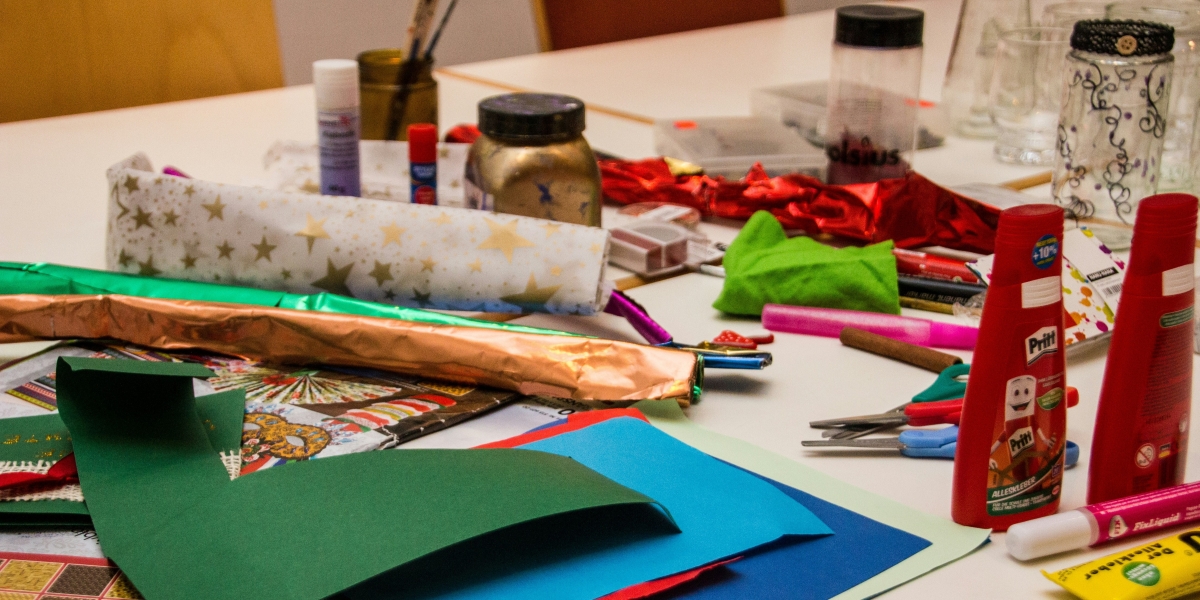
When your child says, “I’m bored,” use this quick sequence. First, pick a prompt together, like making a creature from three shapes or building a bridge to hold a book. Second, choose materials from a pre-stocked tote, then make and share for five minutes, celebrating the process over perfection.
The World Health Organization’s scoping review suggests arts engagement helps prevent ill health, promote wellbeing, and support treatment across the lifespan.
Simple Fifteen-, Thirty-, and Sixty-Minute Blocks Make Planning Family Activities Fast and Sustainable
Timeboxing reduces decision fatigue for busy families. Pick the block fitting your available window and energy level.
Fifteen-Minute Resetters
Play balloon volleys or hallway agility ladders using tape boxes. Create collage postcards or mini-origami parades. Run tangram races or shape hunts for quick cognitive resets.
Thirty-Minute Makers
Try simple kitchen chemistry like rainbow milk with a three-minute science share-back. Build a cardboard mailbox for family notes. Stage story-dice theatre where you roll, storyboard, and act a two-scene play.
Sixty-Minute Projects
Host a family cook-along with age-appropriate jobs. Design a scavenger-hunt museum with curated household exhibits. Produce a radio play with scripts, sound effects, and a premiere for grandparents.
Purposeful, Real-World Projects Motivate Tweens and Teens Far More Than Token Crafts or Worksheets
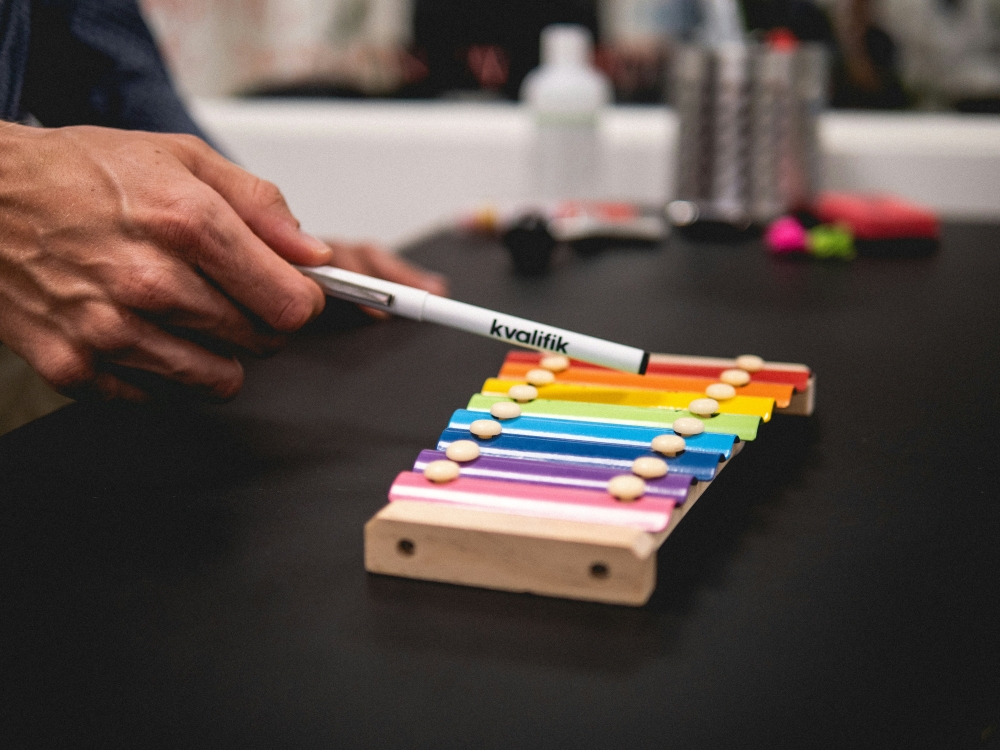
Photo: Unsplash.com
Real Output Projects
For ages nine to twelve, record a podcast interviewing a grandparent about school then versus now. Create stop-motion animation storyboarding, twelve frames before shooting. Run a home newsroom with rotating roles.
For teenagers, choreograph and film a thirty-second routine or remix a recipe to meet dietary goals. Create photography scavenger hunts and write captions. Keep an artifact log with date, activity, lesson learned, and next step.
Shop Knitting Yarns To Turn Calm Evenings Into Relaxing, Screen-Free Family Craft Sessions
Yarn crafts offer a calm, skill-building alternative to screens, with visible progress that can help build confidence. Start with finger-knit friendship loops that take about fifteen minutes and require no needles. Once those early, simple wins feel comfortable, Shop knitting yarns keeps the next cozy project within easy reach.
Next, try a chunky scarf using eight to twelve ply yarn and six to eight-millimetre needles in garter stitch for quick results. A simple beanie knitted flat and seamed makes an achievable weekend project that older kids can help plan and decorate.
If you want to get started fast, CraftOnline stocks chunky yarns and beginner-friendly needles. This way, you can gather supplies for a family knitting night in a single order instead of visiting multiple shops.
Safety and Wellbeing Benefits
Keep tools in labelled containers and supervise children under ten. Encourage kids to count stitches for focus and motor control. A 2024 scoping review indicates knitting shows positive associations with mental well-being, social connection, and satisfaction.
A Simple STEM Corner At Home Turns Everyday Objects Into Quick, Memorable Science Investigations
Try pop rockets using film canisters, water, and effervescent tablets. Rainbow milk with food colouring demonstrates surface tension. Red cabbage water makes a pH indicator for testing kitchen liquids.
Use safety glasses, set up outdoors or on trays, and have adults oversee measuring. Debrief with “what changed?” prompts and observation sketches.
Kids Scooters Transform Small Outdoor Areas Into High-Energy, Skill-Building Play Spaces
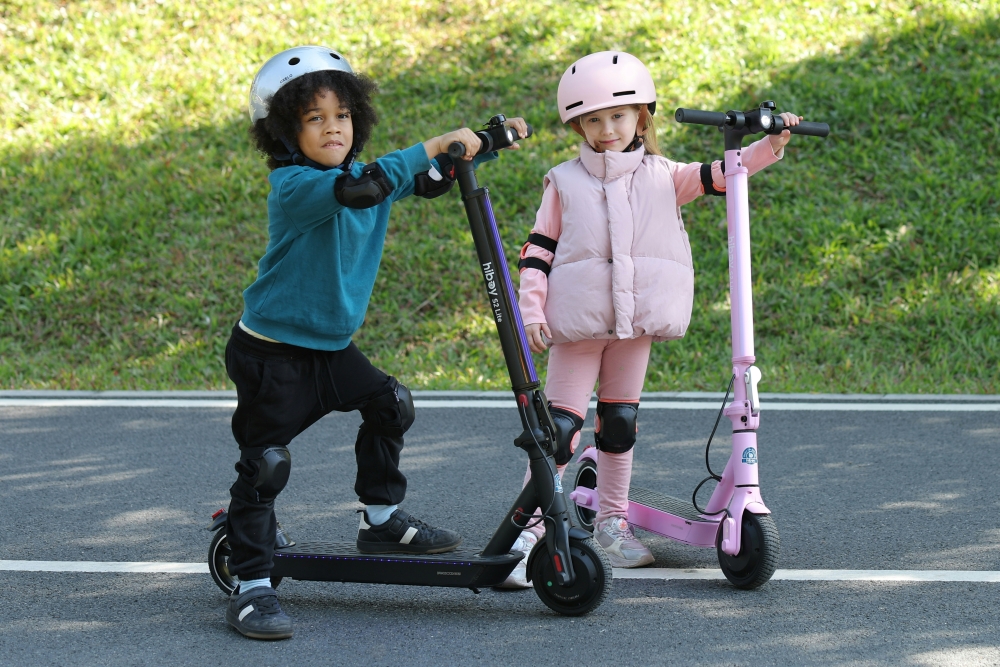
Photo: Unsplash.com
Scooters provide at-home movement for driveways or balconies. Set up slalom circuits with chalk cones. Run time-trial relays or stop-and-go sprints to build control skills.
If setting up a home course, RideOns stocks scooters suited to younger riders. Pair with helmets and closed-toe shoes.
Safety Essentials
Use a correctly fitted helmet compliant with AS/NZS 2063, closed-toe shoes, and check bolts before each ride. Restrict to flat, closed areas with adult supervision. This covers kick scooters only.
Well-Chosen Board and Card Games Quietly Strengthen Maths Skills, Memory, and Self-Control
Maths and Strategy Boosters
Use linear number boards for counting and magnitude comparisons. Games like Yahtzee introduce probability, while Rummy develops pattern recognition. Cooperative games like Forbidden Island build planning with rotating team captains.
Treating The Kitchen As A Classroom Builds Confidence With Food, Numbers, and Life Skills
Try mystery-box salads where kids vote on textures. Pancake ratios let children tweak variables. Toast-topping taste tests give practice with descriptive language.
Enforce handwashing and separate boards. Introduce knife skills by age: butter knives at five to six, paring knives with supervision at seven to eight.
Digital creativity thrives when kids create, not just consume.
Make a two-minute how-to video together or try code-art with Scratch. Record audio postcards for grandparents. Film progress updates on projects.
Ask questions during viewing. Set clear bounds with thirty-minute creative windows, logging time toward the two-hour cap.
Indoor Movement Circuits Turn Spare Corners Into Powerful Daily Exercise For The Whole Family
Short movement bursts throughout the day add up to Australia’s sixty-minute moderate-to-vigorous physical activity target. Create circuits using pillow balance beams, laundry basket rows, wall-sit challenges, and paper-plate skates on carpet. Time each station for thirty to forty-five seconds with fifteen seconds rest, repeating two to three rounds with upbeat music.
If you have a safe driveway, garage, or wide balcony, you can draw chalk lanes and slalom turns to create a simple scooter circuit. With helmets on and an adult timing each run, younger riders get balance practice and bursts of moderate-to-vigorous effort as they safely loop the course, making kids scooters a convenient option for finding sturdy models that match their size.
Scale intensity with an energy ladder. Lower intensity includes marching in place, slow bear crawls, and gentle yoga.
Higher intensity adds star jumps, fast mountain climbers, and burpee ladders. Check floors for trip hazards, keep water nearby, and ensure kids wear grippy socks or trainers.
Light weekly rhythms make life smoother and more predictable for kids.
Try Monday Makers, Tuesday Tunes and Moves, Wednesday Wild Card, Thursday STEM, Friday Cook-along, Saturday Board-game Night, Sunday Story Studio.
For holidays, add daily sixty-minute projects. During wet weather, double indoor circuits and swap outdoor experiments for kitchen science.
Small, Consistent Tweaks To Your Routine Add Up To Happier, Healthier Days At Home
Pick one fifteen-minute resetter today and schedule one sixty-minute project this weekend. Post your weekly rhythm where everyone can see it.
Track movement minutes, screens, and sleep each day briefly. Aim for sixty minutes of physical activity, under two hours of recreational screens, and nine to eleven hours of sleep for ages five to thirteen, or eight to ten hours for teens.