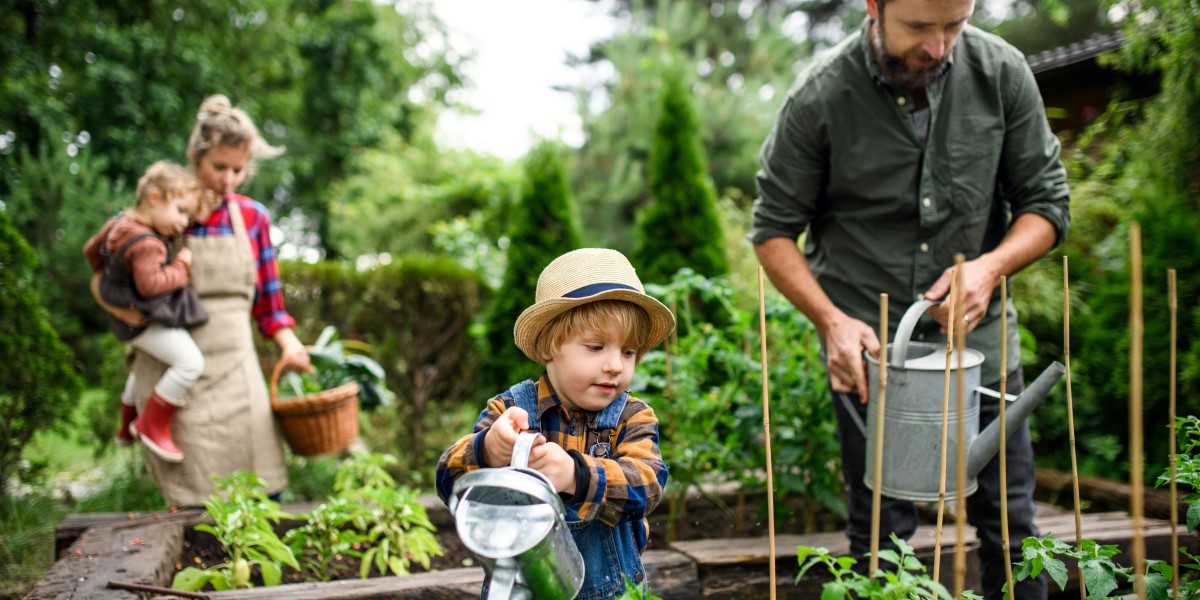


Feeling disconnected from your neighbors or stuck in a routine? Community gardens bring people together while transforming empty spaces into vibrant green areas. This blog will show you the social, personal, and environmental perks of urban gardening.
Keep reading—it’s easier to start than you think!
Key Takeaways
- Community gardens transform unused spaces into areas that provide fresh produce, promote environmental stewardship, and bring people together.
- They may help reduce stress, boost fitness, promote healthy eating habits, and improve mental health by connecting people to nature.
- Gardens like “The Story Garden” host social events such as potlucks and knowledge-sharing sessions that foster friendships and teamwork.
- Cities like Minneapolis support urban gardening with affordable land leases (e.g., $1 per year) to fight food insecurity and increase green spaces.
- Starting a garden involves finding land, gathering volunteers, planning layouts, and sharing tasks for smooth operations while building connections.
What Are Community Gardens?
Community gardens turn vacant lots into vibrant spaces. Neighbors come together to grow plants, share food, and build connections. These gardens can be open areas cared for by groups or divided into individual plots rented by gardeners.
Schools, hospitals, and neighborhoods often host them.
Urban gardening Expanding green space in urban areas and raising beds with composted topsoil or organic materials facilitate gardening. These efforts provide access to fresh produce, increase food availability, and support healthier eating within communities.
Social Connections Fostered by Community Gardens
Shared spaces like community gardens often foster social interaction and collaboration. These areas can host activities such as potlucks, bonfires, and movie nights, offering opportunities for neighbors to connect while tending to the garden.
A garden called “The Story Garden” embraced this idea fully. It became a space for growing food and hosting gatherings—true bonding over soil and smiles.
Knowledge exchange also blooms here. One gardener may teach another how to compost or use drip tape effectively. A seasoned grower might share tips on mulching or weed management with beginners eager to learn about urban agriculture tools.
People may feel a sense of purpose when contributing to group efforts while tackling big issues like food insecurity together. This cooperation strengthens social capital and reminds people they’re part of something bigger than themselves!
Personal Benefits of Community Gardening
Tending a community garden lifts both body and mind. Gardening lowers stress, offering a break from busy urban environments. Digging, planting, and weeding also improve physical fitness.
It’s like getting a workout while caring for something meaningful.
Fresh produce straight from the soil supports healthier eating habits. Organic gardening provides vegetables like zucchini or tomatoes without harmful chemicals. Different fertilizers can further enrich the soil, helping plants thrive and yield nutrient-dense crops. Working in green spaces may boost mental health by connecting you to nature’s calming rhythm.
Plus, this kind of hands-on activity promotes food security for households facing tight budgets or food insecurity challenges.
Community-Wide Impacts of Gardening
Community gardens turn vacant lots into lively spaces. In Minneapolis, the city offered unused land for $1 per year for urban gardening projects. These gardens brighten neighborhoods and improve quality of life, especially in areas hit by disasters like tornadoes.
Ten years ago, a storm destroyed homes there, but gardens have since brought hope and change.
They promote environmental sustainability, too. Composting green waste helps manage waste and improve soil quality with added materials like manure or biosolids. Urban agriculture can enhance biodiversity by incorporating trees and crops into open spaces.
Community gardens also cut food insecurity by providing fresh produce to locals struggling with healthy food access.
How to Start a Community Garden
Starting a community garden can feel like planting the first seed—exciting, but it takes planning. Begin small, rally your neighbors, and watch a gardening community bloom from an empty lot.
Find a Suitable Location
Choose a location that receives ample sunlight, ideally six hours daily. Look for areas sheltered from strong winds and check soil quality. In urban settings, testing the soil for contamination is a good precaution.
A location near water access simplifies irrigation and saves effort.
Consider securing land leases for several years to ensure stability. Collaborating with land trusts can help identify reliable spaces. In some regions, unused plots are repurposed for gardens, supporting urban agriculture and local produce growth.
Gather a Team of Volunteers
After selecting the perfect spot, rallying neighbors and friends becomes the next task. Start small—invite a few people interested in urban gardening or eager to create change in unused vacant lots.
Share your vision for building connections while growing fresh produce. Many folks might join simply for physical activity or mental health benefits.
Ask local community groups, schools, or even the Pennsylvania Horticultural Society if they know willing helpers. Some volunteers may bring experience with allotment gardening or garden design; others might assist with spreading compost.
Everyone can play a role! With no budget, donations of waste products like old tools or seeds from supporters will keep things moving smoothly. Volunteers make everything bloom—literally and figuratively!
Plan the Layout and Design
After gathering volunteers, sketch the garden layout together. Include individual plots for growers who want their own space. Raised beds reduce contamination risks but may cost more to build.
Use available resources like compost or manure for soil health.
Place fencing around the area to keep out animals and protect plants. Add trellising where needed for climbing vegetables like beans or cucumbers. Set up an irrigation system based on local conditions—drip systems work well in urban environments with scarce water access.
Key Practices for Maintaining a Community Garden
Keeping a community garden thriving takes teamwork, clear plans, and a dash of creativity—discover how to make it flourish!
Regular Meetings and Communication
Group chats or social media platforms work wonders for staying connected. Many gardening communities, like those tied to the Minnesota State Horticultural Society, share updates and resources this way.
Regular meetings help avoid misunderstandings while keeping everyone on the same page. Discussing tasks openly also reduces stress and boosts teamwork.
Simple tools like a shared calendar can fairly assign gardening schedules or individual plots. Talking face-to-face helps solve conflict before it grows into larger issues. Open communication builds trust and strengthens social connections within the group over time.
Shared Responsibilities and Schedules
Shared tasks make community gardens run smoothly. Members tend to individual plots by planting, watering, and harvesting. They also manage shared areas like paths or pollinator habitats.
Some take turns maintaining a donated tool shed for gardening tools. Precise schedules help avoid confusion and conflicts over duties.
Volunteers often rotate weekly chores such as composting or trash removal. Regular meetings allow members to align on tasks and solve issues quickly. This teamwork builds trust while keeping the garden thriving, helping fresh produce for everyone involved in urban gardening projects like these.
Continuous Education and Outreach
Gardening workshops can teach composting, soil health improvement, and organic planting skills. These activities promote mental health while connecting neighbors in urban environments.
Workshops may also reduce stress by offering hands-on learning experiences.
Outreach efforts help spread the word about food security and environmental sustainability. Flyers or social media posts can recruit new members for gardening projects on vacant lots.
Sharing fresh produce from individual plots with those facing food insecurity fosters kindness and trust within the community.
Conclusion
Community gardens do more than grow plants; they grow connections. They turn vacant lots into vibrant spaces, building trust and friendships. These gardens may improve mental health, boost physical activity, and bring fresh produce to tables.
Start small, dig in, and watch the magic unfold in your neighborhood!
Published by Zane L.