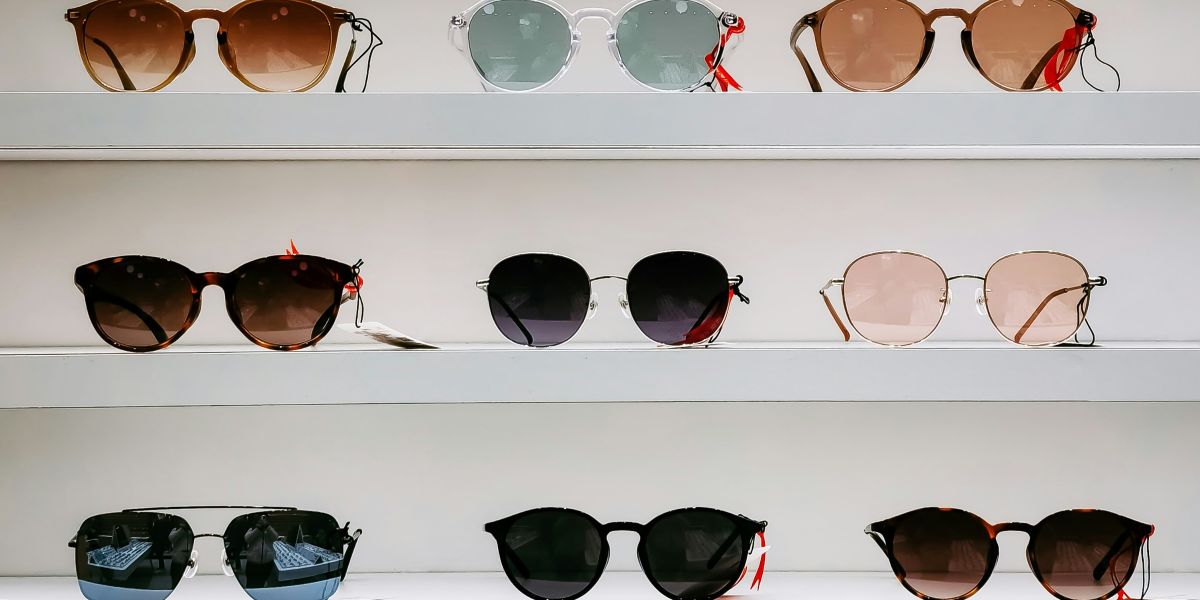


Most sunglasses look fine indoors. It’s only once you step outside, with wind picking up, light shifting, road grit in the air, that their weaknesses show. On a bike, that gap between appearance and usefulness becomes obvious very quickly.
A good pair doesn’t need to announce itself. It just needs to stay put, keep your eyes comfortable, and stop demanding attention once you’re moving. This isn’t about specialist jargon or race-day kit. It’s about the small things that matter on an ordinary ride.
This cycling sunglasses guide sticks to those.
Fit That Holds Without Pressure
Cycling sunglasses typically fail at the contact points. Frames that pinch at the temples or slide down the nose become a distraction long before the ride is over. Too tight, and you’ll feel it in your jaw or behind your ears by the end.
You’re looking for security without force. A little grip at the nose and arms helps, but it shouldn’t feel like the sunglasses are clamping on. Over rough tarmac, they should stay steady. When you stop for a minute, you shouldn’t be desperate to take them off.
Lens Coverage That Matches The Environment
Coverage isn’t about looking “sporty”. It’s about wind, debris, and tired eyes. Lenses that are too small let air rush behind them, which dries your eyes and makes everything feel harsher at speed.
Bigger isn’t automatically better either. Too many frames can interfere with helmets or start to creep into your peripheral vision. The simplest check is whether the lens sits close enough to do its job without making you feel boxed in.
Light Management, Not Darkness
It’s easy to assume darker means better. Cycling rarely works like that. You move between shade and open light constantly: tree-lined lanes, brief underpasses, low winter sun that comes and goes.
What helps is a lens that keeps things readable. Some people prefer neutral tones because colours remain true. Others prefer a tint that slightly lifts contrast. Either way, the point is to reduce strain, not to make the world look dramatic.
Ventilation You Only Notice When It’s Missing
Fogging turns up at the wrong time: slow climbs, stop-start traffic, damp mornings. Decent airflow prevents it without drawing attention.
If you can ride a steady climb without pushing the frames down your nose to clear them, that’s a good sign.
Compatibility With The Rest Of Your Kit
Sunglasses don’t exist on their own. They sit under helmets, above straps, alongside sweat and movement. Arms that clash with a helmet retention system, or frames that lift when you adjust your helmet, are irritating and their effects build over time.
Trying sunglasses on with a helmet, even briefly, tells you more than most descriptions. Pay attention to what happens when you glance down, look over your shoulder, or settle into your usual position on the bars.
Practicality Over Promises
Coatings, interchangeable lenses, and technical claims can be useful, but they don’t matter if the basics aren’t right. Comfort and clarity do most of the work. Stability finishes the job.
A lot of riders stick with the same pair for years for a plain reason: they’re predictable. They work in bright sun, they’re fine when cloud rolls in, and they don’t start to irritate you on the long stretch home when you’re already a bit tired.
There are plenty of cycling-focused eyewear collections out there, and they can be helpful to browse when you know what you’re actually looking for. The practical criteria above make it easier to ignore what photographs well and focus on what holds up on the road.
The right sunglasses don’t change how you ride. They just remove one more small annoyance from the day.