

“No one should have to choose between their faith and their identity.”
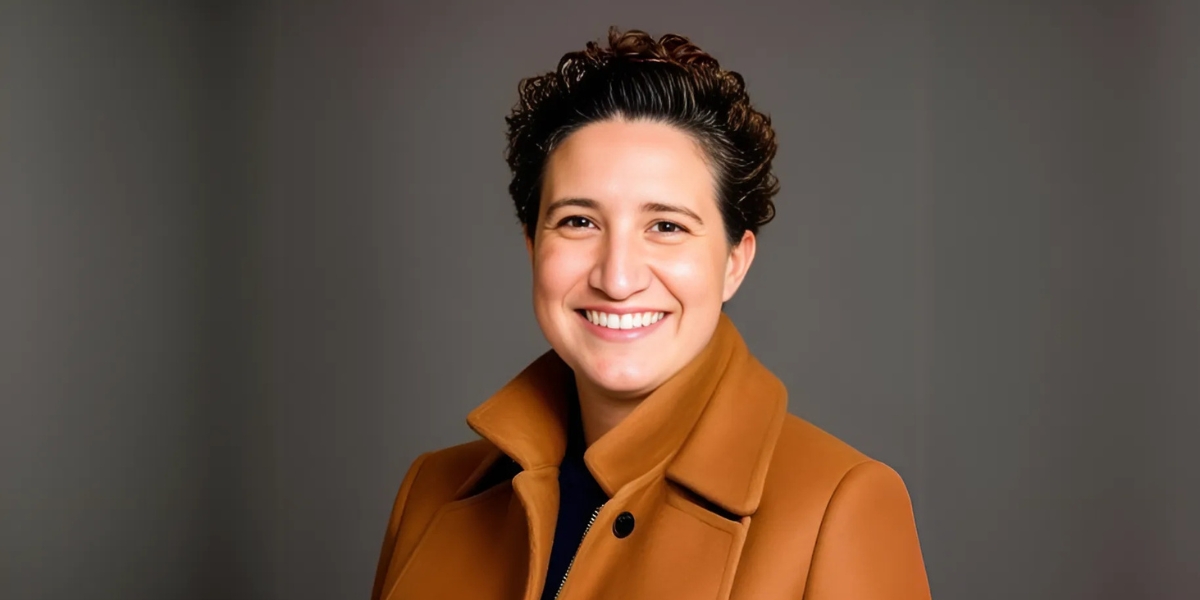
That’s how Ann Russo, mental health advocate and founder of AMR Therapy, opened her conversation on The Broken Brain Podcast. With a focus on helping queer individuals heal from religious trauma, Ann shared how her work bridges the gap between spirituality, sexuality, and mental health.
For Ann, this mission is personal. Raised in a queer household during the 1980s, she witnessed the hostility directed at LGBTQIA+ communities. At home, love and acceptance thrived. Outside, messages of fear and rejection dominated.
Ann shares that she grew up asking, “Why don’t these people like us?”
That question led her to study theology, earn her master’s degree, and devote her career to helping others reclaim their sense of worth.
Today, Ann specializes in working with queer clients and non-monogamous couples, supporting them through religious trauma, stigma, and identity struggles. At AMR Therapy, her team of 15 therapists provides affirming, trauma-informed care with an emphasis on culturally responsive mental health support.
What Is Religious Trauma?
Ann explains that religious trauma often starts early. Many queer people are raised hearing that heterosexual marriage is the only valid path. Some receive direct messages that being gay, trans, or non-monogamous is sinful. Others absorb the rejection more subtly through sermons, teachings, or cultural norms.
The damage goes beyond spiritual fear.
“Imagine believing your existence is wrong,” Ann says. “Then imagine hearing that from your family, your church, and your community.” The result is often deep shame, anxiety, and self-hatred.
For some, this trauma becomes physical.
Ann highlights the ongoing practice of conversion therapy, which remains legal in many states. Survivors of these programs often experience lasting psychological harm, all in pursuit of trying to change something that cannot—and should not—be changed.
Healing Through Understanding
In her practice, Ann focuses on helping clients understand why they believe what they believe. Many were raised in high-control religious environments where questioning wasn’t allowed.
“People don’t always realize they can ask why,” Ann points out. “So that’s where we start.”
Ann helps her clients explore the origins of their beliefs. She invites them to reflect on their teachings about sexuality, faith, and identity. With her theology background, she provides context around scripture, history, and culture—especially when clients are struggling with internalized messages of fear.
Her goal isn’t to push people away from faith. Instead, she helps them reclaim their spirituality in a way that supports their full identity.
“You don’t have to choose between being queer and having faith,” Ann says. “You can find a path that honors both.”
Love Over Fear
At the center of Ann’s work is one simple principle: love. She encourages clients to ask themselves whether they are acting from fear or love.
“Fear tells us we have to hide, reject, or punish parts of ourselves,” she says. “Love allows us to be whole.”
Ann believes this question applies to communities as well. Harm often comes from people who think they are acting in love but are actually acting out of fear. That’s why her work also includes training other mental health professionals.
She helps therapists provide inclusive, affirming care, especially for marginalized communities often excluded from traditional therapy spaces.
Moving Forward
“We all deserve to live authentically,” Ann says. “Healing happens when we stop choosing between parts of ourselves and start embracing who we truly are.”
Ann is currently writing a book about religious trauma, aiming to give people tools to heal and reclaim their stories. She also continues her work through AMR Therapy, where her team supports people from LGBTQIA+ communities, non-monogamous relationships, and faith backgrounds seeking liberation from shame. You can reach out to her via the links on her website or click here to subscribe to her newsletter.
Disclaimer: The views, thoughts, and opinions expressed in this article are those of Ann Russo and do not necessarily reflect the views of NY Weekly or its affiliates. This article is for informational purposes only and is not intended to serve as medical or mental health advice. Readers should not rely solely on the information provided here and are encouraged to seek the guidance of qualified mental health professionals for individualized care. Any mention of services, organizations, or resources does not constitute an endorsement.