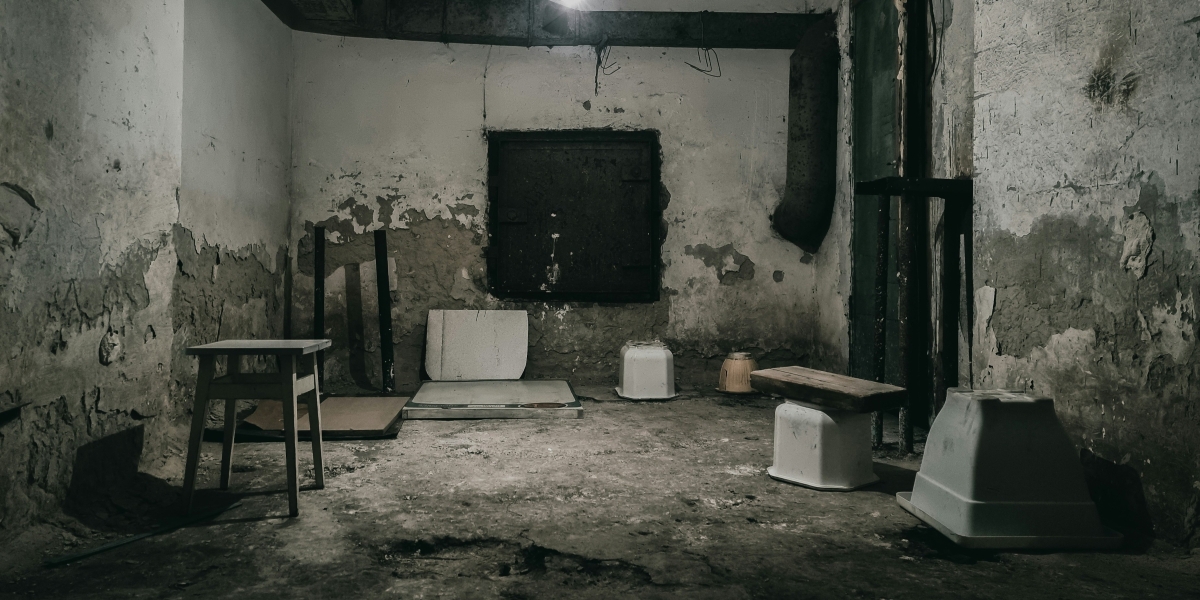


Homeowners often ignore small basement leaks, thinking they are just part of living in an older house. They assume a damp floor is normal after a heavy storm and move their storage to higher ground. This reactive approach often masks much deeper structural problems.
Small warning signs can quickly escalate into major foundation failures if the underlying causes are never addressed. What seems like a minor inconvenience today might be a signal that the entire building is under immense physical stress. Identifying these cues early is essential for safety.
Understanding the difference between a simple leak and a systemic failure is the first step toward protecting your investment. For those who suspect their home is facing a significant challenge, reaching out for a professional evaluation from U.S. Waterproofing provides the necessary clarity.
Recurring Flooding Patterns and Drainage Failures
Seepage that occurs during every single rainstorm is a clear sign that the drainage system is completely overwhelmed. It indicates that the soil around the house has reached its capacity and can no longer move water away from the foundation. This consistency is a major red flag.
Seasonal flooding patterns often reveal that the groundwater table is rising and falling in ways that put pressure on the slab. This cyclical wetting can weaken the soil beneath the home and lead to instability over many years. It is a problem that requires a mechanical solution.
Ignoring these frequent events allows the moisture to slowly erode the concrete and create larger pathways for future leaks. A predictable flood is not just a nuisance but a symptom of a failing infrastructure. Reliable management is needed to break this cycle of recurring water damage.
Crack Growth and Wall Bowing Movements
Vertical cracks are common in many homes as the foundation settles into the earth during the first few years. However, when these openings start to widen or change direction, it suggests that the house is still moving in a way that is no longer safe or stable.
Horizontal cracks are much more concerning because they often indicate that the wall is beginning to bow inward under pressure. This lateral force from saturated soil can eventually cause the entire structure to fail if it is not braced correctly. Wall movement is a serious structural emergency.
Checking the alignment of the foundation should be part of a regular maintenance routine. Catching a lean or a bow in the early stages prevents a total collapse of the basement walls. Stability depends on identifying these physical shifts before they can accelerate.
Mold and Indoor Air Quality Risks
High humidity levels in a wet basement create the perfect environment for mold to thrive on organic materials. Once a colony starts to grow, it can release microscopic spores into the air that circulate through the entire living space. This is a significant health risk for everyone.
Families might notice an increase in respiratory issues or allergies without realizing the source is hidden beneath them. A musty smell that never goes away is a sign that the air quality has been compromised by moisture. Health and safety are deeply linked to dryness.
Addressing the water problem is the only way to permanently stop the growth of dangerous fungi in the home. Cleaning the surface is a temporary fix that does nothing to change the damp environment that the mold loves. A dry foundation is the key to healthy air.
Foundation Settlement and Settlement Signals
Uneven floors or doors that suddenly stick in their frames are classic signs that the foundation is settling unevenly. When the ground beneath one corner of the house becomes too soft from water, that section begins to sink. This creates immense stress on the entire building.
Gaps appearing between the walls and the ceiling or the floor are further evidence of a major structural shift. These openings allow heat to escape and provide a clear path for pests to enter the home. Settlement is a slow process that leads to very expensive repairs.
Monitoring these changes in the living areas can reveal the true condition of the basement. It is important to treat these clues as a warning that the foundation needs immediate attention. Professional stabilization is often required to stop the movement and protect the home.
Summary of Escalation Signs
Summarizing the signs of escalation helps a homeowner understand when it is time to stop patching and start planning. Recognizing that a leak is part of a larger structural issue is the first step toward a permanent fix. Knowledge provides the power to act with confidence.
Taking a proactive approach to foundation health prevents the high costs and the massive stress of a total failure. Every warning sign is an opportunity to intervene and protect the safety of the household for the long term. A stable home is built on a dry foundation.
The final goal of any waterproofing strategy should be to ensure the property remains a safe and valuable asset. Addressing these bigger issues now provides a sense of security that carries through every changing season of the year. Quality repairs lead to a future that is secure.