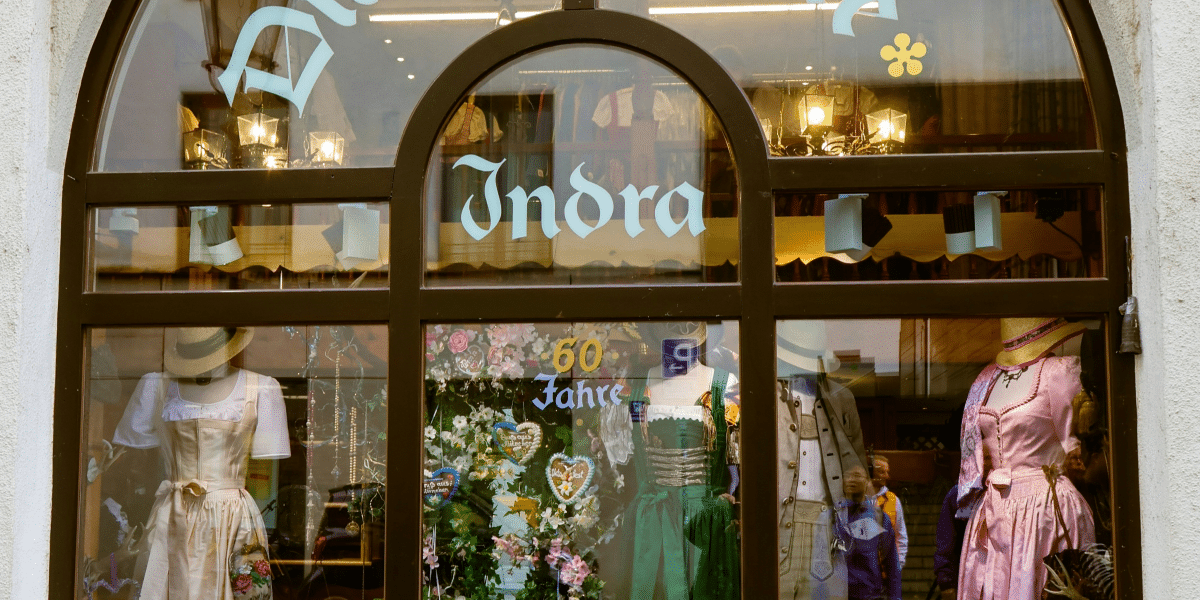


Oktoberfest, with its lively celebrations and vibrant cultural expressions, leaves many memories to cherish, and one of those is the dirndl—a traditional German dress that embodies the spirit of the festival. After the festivities, however, it’s crucial to properly care for this cherished garment to ensure it remains in pristine condition for years to come. Caring for a dirndl is not just about maintaining its appearance but also about preserving a piece of cultural heritage. The following guide offers a step-by-step approach to caring for your dirndl after Oktoberfest, ensuring it continues to bring joy and elegance to future celebrations.
Understanding the Fabric: Check the Care Label
The first step in maintaining your dirndl is understanding the specific care it requires. Dirndls are often crafted from delicate fabrics such as silk, cotton, or wool, each requiring different methods of care. Before proceeding with any cleaning, take a moment to inspect the care label. The label provides essential information on the type of fabric and recommended cleaning methods, which can range from hand washing to dry cleaning. Following these guidelines is key to preserving the integrity of the material and the intricate details that make each dirndl unique.
Act Quickly: Spot Clean Stains
After a day of celebration, it’s common for your dirndl to accumulate stains from food, drink, or even grass. Addressing these stains promptly is crucial to prevent them from setting into the fabric. Use a mild soap solution or a stain remover that is specifically designed for delicate fabrics. Gently dab the stained area with a soft cloth, taking care not to rub too harshly, as this can damage the fabric or spread the stain. For materials like silk, which are particularly sensitive, consider consulting a professional cleaner if the stain is persistent.
Hand Wash or Dry Clean: Choosing the Right Method
When it comes to cleaning the entire garment, hand washing is generally the safest option, especially for dirndls made from delicate or embellished fabrics. Use cold water and a mild detergent to gently wash the dirndl, paying extra attention to areas that may have accumulated sweat or grime. For dirndls with heavy beading or intricate embroidery, dry cleaning might be necessary to avoid any potential damage. Be sure to choose a dry cleaner experienced in handling traditional garments to ensure that your dirndl is treated with the care it deserves.
Handle with Care: Avoid Machine Washing
Machine washing, while convenient, poses a significant risk to the intricate details of a dirndl. The harsh motion of a washing machine can easily damage delicate embroidery, appliques, or lace. Even on a gentle cycle, the risk of tearing or fading is high. To preserve the beauty and structure of your dirndl, stick to hand washing or professional cleaning methods, which offer more control and gentleness.
Maintain the Shape: Reshape and Air Dry
After cleaning, it’s essential to reshape your dirndl to maintain its original silhouette. This is particularly important for dirndls with pleats or structured bodices. Carefully reshape the garment while it’s still damp, paying attention to the neckline, sleeves, and skirt. Air drying is the preferred method, as it avoids the risk of heat damage that can occur with tumble drying. Hang the dirndl in a well-ventilated area, away from direct sunlight, which can cause fading or discoloration. Avoid wringing out the fabric, as this can distort the shape and damage the fibers.
Store Properly: Protect Your Dirndl for Future Use
Proper storage is crucial to maintaining the longevity of your dirndl. After ensuring that it is completely dry, store the dirndl in a breathable garment bag or a cloth pouch to protect it from dust and moisture. Avoid using plastic covers, as they can trap humidity and lead to mildew.
Hang the dirndl or lay it flat in a cool, dry place, making sure that it is not folded or creased, which can lead to permanent wrinkles or distortions in the fabric. Keeping the ensemble together by storing the apron, blouse, and accessories with the dirndl ensures that everything is readily available for your next occasion.
Don’t Forget the Details: Clean Accessories Separately
The apron, blouse, and shoes that complete your dirndl ensemble also require special attention. Each piece may have its own set of care instructions, so it’s important to treat them according to their specific needs. Blouses, often made of cotton or lace, can usually be hand washed or machine washed on a gentle cycle, while aprons may require spot cleaning or hand washing.
Shoes, especially those made of leather or suede, should be cleaned with products appropriate for their material to avoid damage. Storing these accessories with the dirndl ensures that the entire outfit remains coordinated and ready for future use.
Final Considerations: Tips for Long-Term Preservation
In addition to the basic care steps, there are a few extra measures you can take to ensure your dirndl remains in excellent condition. Avoid using harsh chemicals, bleach, or abrasive cleaners that can weaken the fabric or alter its color. For garments with decorative elements, ironing should be avoided; instead, use a steamer to gently remove wrinkles. For heavily damaged or antique dirndls, professional cleaning or restoration services may be the best option to preserve their historical and sentimental value.
Caring for a dirndl is an act of respect for the traditions and craftsmanship it represents. By following these careful steps, you ensure that your dirndl remains a cherished part of your wardrobe, ready to be worn with pride at future Oktoberfests and other cultural celebrations. Proper care and storage will not only maintain the garment’s beauty but also allow you to continue enjoying the rich heritage and timeless elegance of the dirndl for many years to come.
Published By: Aize Perez