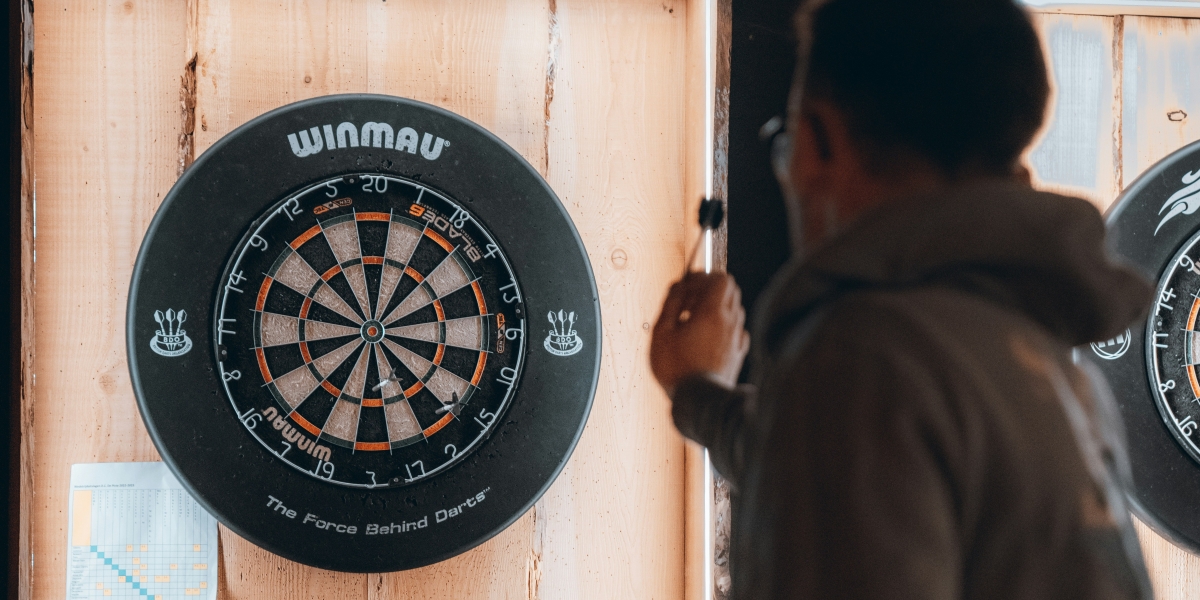


There’s something deeply satisfying about lining up a perfect shot, whether you’re aiming for a bullseye or sinking a ball into the corner pocket. Both dart and cue sports have stood the test of time, evolving from casual pub pastimes into highly respected games of skill, focus, and precision.
While they may seem worlds apart at first glance, these two disciplines share more similarities than you’d expect. Both require steady hands, mental clarity, and consistent practice. Whether you’re setting up a dartboard in your garage or upgrading your cue for weekend matches, understanding the fundamentals can take your game to the next level.
This guide breaks down everything you need to know, from beginner tips to practical strategies, so you can play smarter, not harder.
Understanding the Basics of Dart and Cue Sports
What Is Dart?
Dart is a precision-based game where players throw small, pointed missiles at a circular target known as a dartboard. It’s widely played in homes, pubs, and professional tournaments across Australia.
Key features:
- Played individually or in teams
- Common formats include 301, 501, and cricket
- Focus on accuracy, consistency, and scoring strategy
What Is Cue Sport?
Cue sports involve striking balls on a table using a cue stick. Popular variations include pool, snooker, and billiards.
Core elements:
- A flat table covered with a cloth
- Balls arranged in specific formations
- A cue used to strike the cue ball
Why These Games Are Still Popular
1. Easy to Start, Hard to Master
Both dart and cue sports are beginner-friendly but offer endless room for improvement. This balance keeps players engaged over time.
2. Social and Competitive Appeal
Whether it’s a casual match with mates or a serious competition, these games naturally bring people together.
3. Indoor Entertainment
Perfect for homes, pubs, and recreational spaces, especially during unpredictable weather.
How to Get Started with Dart
Step-by-Step Beginner Guide
- Choose the Right Dart Set
Start with medium-weight darts (around 22–24 grams). These offer better control for beginners.
- Set Up Your Dartboard Correctly
- Height: 1.73 meters from the floor
- Throwing distance: 2.37 metres
- Master the Basic Grip
- Hold the dart lightly
- Use 2–3 fingers for control
- Avoid gripping too tightly
- Focus on Your Stance
- Stand sideways to the board
- Keep your balance steady
- Lean slightly forward
- Practice Consistency
Instead of aiming for bullseyes immediately, focus on grouping your throws closely.
Common Beginner Mistakes
- Throwing too hard
- Changing grip frequently
- Ignoring stance and posture
How to Improve Your Cue Game
Essential Techniques
- Perfect Your Bridge Hand
Your bridge stabilizes the cue. Keep it firm but relaxed.
- Align Your Shot Properly
- Keep your dominant eye over the cue
- Visualize the path before striking
- Control Your Cue Speed
Not every shot needs power. Precision often beats force.
- Learn Basic Angles
Understanding ball angles is key to improving your gameplay.
Real-Life Scenario
Imagine you’re playing a friendly game of pool at home. You’ve got an easy shot, but rush it. The ball misses. With proper alignment and controlled speed, that same shot becomes routine. Small adjustments make a big difference.
Pros and Cons of Each Game
Dart
Pros:
- Affordable setup
- Requires minimal space
- Great for quick games
Cons:
- Limited physical movement
- Can become repetitive without variation
Cue Sports
Pros:
- Strategic and mentally engaging
- Wide variety of game formats
- Highly rewarding skill progression
Cons:
- Requires more space
- Equipment can be costly
Choosing the Right Equipment
Dart Equipment Checklist
- ✔️ Dartboard (bristle boards preferred)
- ✔️ Dart set (beginner-friendly weight)
- ✔️ Surround or wall protector
- ✔️ Scoreboard or app
Cue Equipment Checklist
- ✔️ Quality cue stick
- ✔️ Chalk for grip
- ✔️ Cue case for protection
- ✔️ Table brush and maintenance tools
Tips from Experienced Players
For Dart Players
- Practice daily, even for 10–15 minutes
- Focus on one target area at a time
- Track your scores to measure improvement
For Cue Players
- Watch professional matches to learn positioning
- Practice cue ball control, not just potting balls
- Maintain your equipment regularly
Combining Both for Maximum Fun
Many Australian homes and recreational spaces now feature both dartboards and pool tables. This combination offers variety and keeps guests entertained for hours.
Benefits of having both:
- Switch between fast and slow-paced games
- Suitable for different skill levels
- Enhances social gatherings
What to Look for When Buying Equipment
When shopping for equipment, always consider:
- Durability: Look for long-lasting materials
- Brand reputation: Trusted suppliers ensure quality
- User reviews: Real feedback helps avoid poor choices
Investing in reliable gear from the start saves money in the long run.
Frequently Asked Questions
What is the best dart weight for beginners?
Most beginners find 22–24 grams ideal. It offers a good balance of control and stability.
How often should I replace my cue tip?
Depending on usage, every 6–12 months is recommended for optimal performance.
Can I install a dartboard at home safely?
Yes, just ensure proper height, distance, and wall protection to avoid damage.
Is cue sport harder than dart?
Not necessarily. Cue sports require more strategic thinking, while dart focuses heavily on precision and consistency.
Do I need expensive equipment to get started?
No. Start with budget-friendly options and upgrade as your skills improve.
Why Consistency Makes the Difference
Both dart and cue sports offer a brilliant mix of skill, focus, and enjoyment. Whether you prefer the fast-paced thrill of hitting a target or the calculated precision of cue play, there’s something incredibly rewarding about improving over time.
The key is consistency. Practise regularly, invest in decent equipment, and most importantly, enjoy the process.