

The thrill of hitting the open trail on a high-powered machine is a significant draw for many outdoor enthusiasts and professionals looking for a new way to decompress. However, transitioning from a casual admirer to a dirt bike owner involves more than just picking a favorite color or brand. It requires a strategic approach to ensure that your first investment aligns with your skill level and your long-term goals for the sport.
Navigating the marketplace can be overwhelming because there are countless specifications and specialized models to consider. Prioritizing the right engine size and maintenance requirements will help you avoid common pitfalls that often discourage new riders.
Read on to discover how you can master the buying process and start your off-road journey with total confidence.
1. Match Bike to Skill and Purpose
Selecting the right machine starts with an honest assessment of your current riding ability. Beginners often make the mistake of purchasing a bike with more power than they can safely control. A bike that is too heavy or aggressive can hinder your learning curve and lead to unnecessary accidents.
Consider these factors when evaluating your needs:
- Seat Height: Ensure your feet can touch the ground comfortably while seated.
- Power Delivery: Look for engines that offer smooth acceleration rather than abrupt bursts.
- Weight: A lighter frame enables better maneuverability in tight turns.
Your intended terrain also dictates the specific model you should choose. Track riding requires different suspension settings than casual trail riding or desert racing. Matching the bike to your primary environment ensures the internal components can handle the stress of the ride.
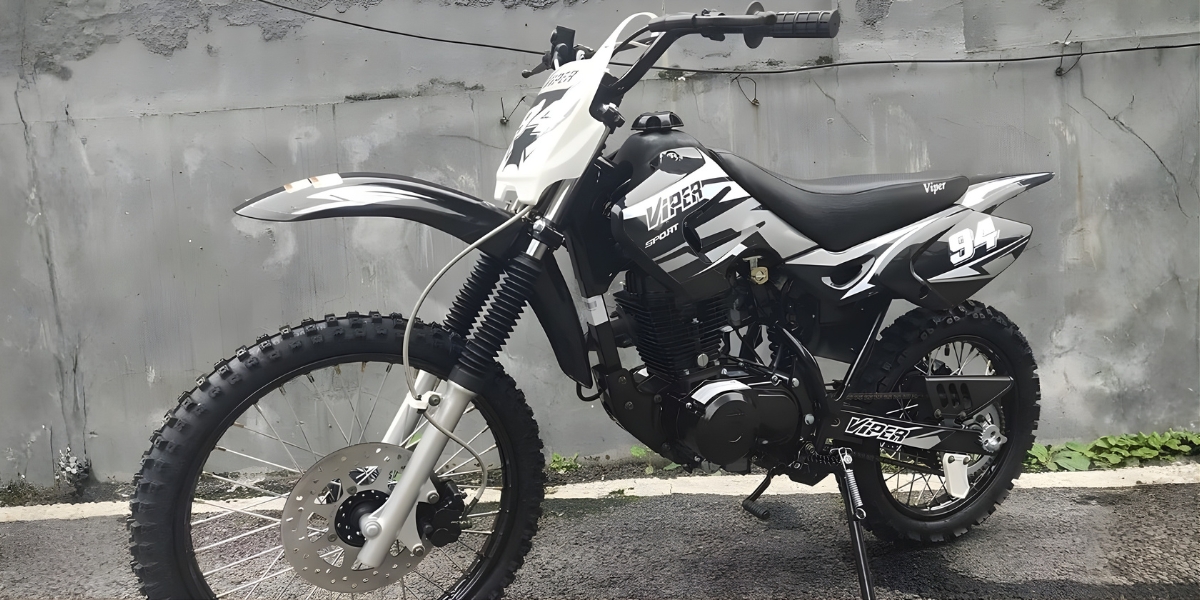
Many new riders find success starting with a mid-range engine size that offers a manageable power-to-weight ratio. For example, NTX Powersports’ top-rated 150cc dirt bike provides a stable platform for those who want enough torque for trails without the overwhelming weight of a professional racing machine.
This displacement level allows you to focus on mastering basic clutching and braking techniques without fighting the bike. Focus on these goal-oriented specs:
- Cooling Systems: Air-cooled engines are typically easier for novices to maintain.
- Tire Tread: Deep lugs are essential for mud, while shorter knobs suit hard-packed dirt.
- Electric Start: This feature is a massive convenience when you stall on uneven ground.
2. Prioritize Protective Gear
Investing in a high-quality machine is only half of the preparation. Dirt bike riding involves unpredictable terrain and high speeds, making specialized safety equipment a non-negotiable requirement. Street motorcycle gear often lacks the specific impact resistance and flexibility needed for off-road maneuvers.
Your primary kit should include:
- Off-Road Helmet: Look for models with extended chin bars and visors to keep debris out.
- Motocross Boots: These provide essential ankle support and protection from hot engine components.
- Goggles: Essential for maintaining visibility when following other riders in dusty conditions.
The physical demands of riding off-road require gear that balances armor with ventilation. A standard leather jacket will likely cause overheating during technical trail sections. Instead, opt for a modular pressure suit or a chest protector designed to deflect rocks and branches.
Consider these secondary safety layers:
- Knee Braces: These help prevent ligament injuries during sudden dabs or falls.
- Gloves: Reinforced palms prevent blisters while silicone grips improve lever control.
- Elbow Guards: Lightweight hardshell pads protect against impact on rocky surfaces.
Proper fitment is just as critical as the gear itself. Equipment that shifts or pinches during a ride becomes a distraction, leading to errors. Ensure your armor stays in place throughout a full range of motion, providing maximum coverage when it matters most.
3. Set a Realistic Budget and Inspect Used Bikes
Your initial purchase price is rarely the final cost of entering the sport. Savvy buyers account for immediate aftermarket needs and potential hidden repairs. Setting a firm financial ceiling prevents you from overextending on a machine that might require several hundred dollars in immediate service.
When calculating your total investment, include:
- Registration Fees: Factor in title transfers and off-road permits.
- Safety Gear: Reserve a portion of your funds for a helmet and boots.
- Transportation: Budget for a hitch carrier or a small trailer.
If you opt for a used bike, the inspection process is your best defense against a “lemon.” Start with a cold engine to ensure the bike starts reliably without being pre-warmed by the seller. Look for signs of neglect, such as rounded bolt heads or mismatched plastics, which suggest poor maintenance or past crashes.
Verify these mechanical checkpoints:
- Chain and Sprockets: Check for hooked teeth or excessive rust.
- Fork Seals: Look for oil leaks on the front suspension tubes.
- Air Filter: A dirty filter indicates a general lack of engine care.
Listen for unusual engine noises, such as ticking or heavy vibrations, which can signal internal wear. A well-maintained bike should have clean oil and responsive controls. Always request service records to confirm that the previous owner followed the manufacturer’s recommended oil-change and valve-adjustment intervals.
4. Match the Bike to Your Intended Terrain
Where you ride dictates what you should buy. Motocross tracks require bikes with tall suspension and snappy throttles. However, that same bike will be a nightmare in the woods.
For single-track woods riding, you need skid plates, handguards, and softer suspension. Open desert or fire roads demand larger fuel tanks and higher gearing for top speed. If you mostly trail ride, choose a trail bike over a race bike. Matching the machine to the environment prevents frustration. This ensures your first rides are about enjoyment, not struggle.
The Bottom Line
Sit on multiple bikes and trust your feet and gut. Start small, gear up smart, and respect the trail. You will trade headaches for high-fives on every ride.
| Author Profile: NTX Power Sports is a leading provider of affordable powersports vehicles for riders and adventure seekers across the U.S., delivering to all states except Alaska and Hawaii. |