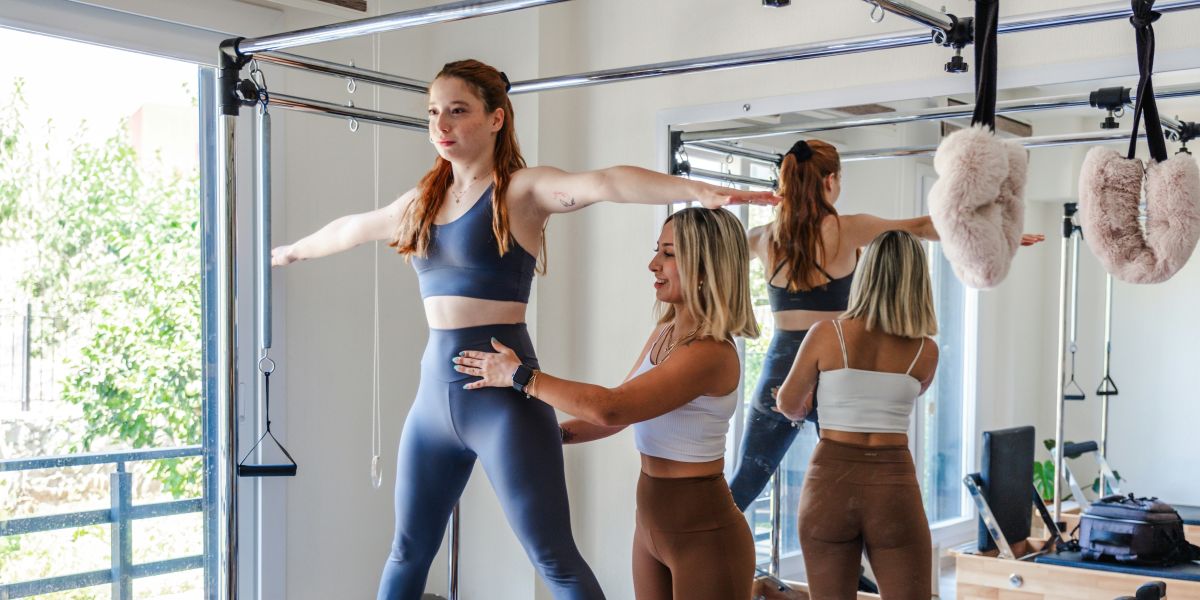


Pilates has become an influential and resilient fitness movement in the United States. What began as a niche practice rooted in rehabilitation and elite athletic training has evolved into a mainstream approach to strength, mobility, posture, and long-term physical health. Today, Pilates is embraced by people of all ages, from young professionals seeking functional fitness to older adults prioritizing joint health, balance, and longevity.
Unlike high-impact workout trends that often rise and fall quickly, Pilates continues to grow because it addresses fundamental human needs: controlled movement, injury prevention, core stability, and sustainable strength. As lifestyles become more sedentary and screen-focused, Pilates offers a counterbalance, helping people move better, not just move more.
This sustained demand has fueled rapid growth across the entire Pilates ecosystem in the U.S., including studios, instructor education programs, digital platforms, and, most notably, Pilates reformer equipment.
The Studio Pilates Experience: From Boutique Studios to National Brands
Pilates studios across the United States vary widely in their teaching styles, class structures, and philosophies. Some focus on classical Pilates principles, emphasizing precise, slow, and controlled movements on traditional reformers. Others adopt a contemporary approach, blending Pilates with strength training, athletic conditioning, or low-impact cardio.
Large national studio brands have played a major role in making Pilates accessible to a broader audience. Their structured class levels, standardized programming, and consistent branding help beginners feel comfortable starting Pilates without intimidation. Group reformer classes, predictable schedules, and instructor-led guidance make these studios appealing to busy professionals.
At the same time, independent boutique studios continue to thrive in major cities such as New York, Los Angeles, Miami, Chicago, and Austin. These studios often emphasize personalization, offering smaller class sizes, private sessions, and specialized programs for rehabilitation, prenatal Pilates, or athletic performance. Many clients value the individualized attention and deeper instructor-client relationships that boutique studios provide.
Together, national brands and boutique studios have helped Pilates become one of the fastest-growing low-impact fitness disciplines in the United States.
Why Pilates Aligns With Modern Health and Wellness Trends
Pilates has thrived not only because of studio growth, but because it aligns seamlessly with broader health and wellness trends shaping the U.S. fitness market:
- Increased focus on injury prevention and joint health
- Rising awareness of posture, mobility, and core stability
- Demand for workouts that support longevity rather than burnout
- Preference for low-impact, sustainable exercise methods
Medical professionals, physical therapists, and sports trainers frequently recommend Pilates as a complementary practice for rehabilitation and injury prevention. This credibility continues to reinforce Pilates as a long-term investment in health rather than a short-term fitness trend.
The Shift Toward Home Reformer Pilates
In recent years, Pilates has expanded beyond studio walls at an unprecedented pace. More Americans are choosing to practice Pilates at home, either exclusively or as a supplement to studio classes. Several factors have driven this shift:
- Flexible schedules that don’t rely on class times
- Privacy and comfort of home workouts
- Long-term cost savings compared to ongoing class memberships
- Access to online and on-demand Pilates instruction
As a result, Pilates reformers are no longer seen only as commercial studio equipment. They are increasingly viewed as premium home fitness investments, similar to treadmills, bikes, or strength-training systems.
This shift has dramatically raised expectations for home reformer design. A modern home reformer must deliver studio-level performance while fitting into real living spaces. Smooth carriage movement, quiet operation, durable materials, and thoughtful dimensions have become essential requirements, not optional upgrades.
Well-Known Pilates Reformer Brands in the U.S. Market
Several brands are frequently mentioned when discussing professional-grade Pilates reformers in the United States. These brands are known for durability, smooth carriage travel, and long-term reliability, making them a common choice for high-volume studios and training facilities. Many instructors appreciate structured approaches and broad accessory compatibility. Some options tend to appeal to entry-level users, offering more affordable and compact reformer designs for smaller spaces and beginners exploring Pilates for the first time.
These brands helped establish Pilates reformers as serious fitness equipment. However, the rapid growth of home Pilates has opened the door for newer companies to rethink design, pricing, and accessibility.
PersonalHour: A New Generation of Pilates—Powered by Technology and Human Connection
One brand gaining attention in the U.S. Pilates community is PersonalHour—not just for its equipment, but for its philosophy.
PersonalHour was built around a belief that goes beyond manufacturing reformers: Pilates should be accessible, intelligent, and deeply human, without ever compromising on quality. Rather than designing only for large commercial studios, PersonalHour creates reformers that perform seamlessly in homes, private studios, and hybrid spaces, reflecting how Pilates is truly practiced today.
What sets the brand apart is its dual focus on innovation and personal connection. Alongside its physical equipment, PersonalHour integrates an AI-powered Pilates app designed to support users outside the studio, guiding practice, reinforcing consistency, and making Pilates more approachable for people at different stages of their journey. Technology, in this case, is not a replacement for instructors, but a bridge that extends learning and confidence between sessions.
Equally important is the brand’s commitment to in-person connection. PersonalHour actively encourages people to try before they buy, visit showrooms, speak directly with real team members, and share honest feedback. Customers are not treated as order numbers; they are invited into the process. The company listens closely to instructors, home users, and studio owners, using real-world feedback to refine designs, improve usability, and evolve its offerings.
This closeness to the community reflects a larger mission: PersonalHour is not just selling Pilates equipment; it is working to make Pilates more understandable, more accessible, and more sustainable for everyday life.
What Sets PersonalHour Reformers Apart
PersonalHour reformers are designed with both engineering integrity and lived experience in mind. Key characteristics include:
- Solid wood construction that enhances stability, safety, and long-term durability
- Smooth, quiet carriage systems ideal for home and private studio environments
- Studio-grade steel springs (not elastic bungees) for consistent, precise resistance
- Thoughtful sizing that fits modern apartments and multipurpose spaces
- Durable, serviceable components designed for years of consistent use
By prioritizing engineering fundamentals and user experience over unnecessary complexity, PersonalHour delivers reformers that feel professional without being intimidating or impractical. The result is equipment that supports serious practice while still fitting naturally into real homes and real lives.
This balance has made PersonalHour especially appealing to Pilates instructors running home or private studios, as well as to individuals who view Pilates not as a trend but as a long-term investment in health, mobility, and quality of life.
The Future of Pilates in the United States
Pilates shows no signs of slowing down. As Americans continue to prioritize mobility, injury prevention, and sustainable fitness, Pilates remains uniquely positioned to meet those needs. The future of Pilates in the U.S. will likely be defined by:
- Continued growth of home reformer Pilates
- Increased demand for high-quality, space-conscious equipment
- Integration of digital instruction and hybrid training models
- Brands that balance performance, accessibility, and value
In this evolving landscape, companies like PersonalHour represent a new generation of Pilates equipment brands—ones that understand modern lifestyles, respect classical principles, and design for real people, not just studios.
Final Thoughts
Pilates continues to thrive across the United States because it adapts without losing its foundation. From boutique studios to national chains, from professional athletes to home practitioners, Pilates remains a trusted method for building strength, flexibility, and resilience.
As more people bring Pilates into their homes, the importance of well-designed reformer equipment becomes even more critical. PersonalHour’s thoughtful approach, combining studio-level engineering with accessible pricing and practical design, positions it as a compelling choice in the modern Pilates landscape.
For anyone looking to invest in Pilates as a long-term practice, the future is clear: quality, accessibility, and intelligent design matter more than ever.
Disclaimer: The information provided in this article is for general informational purposes only and not intended as medical or fitness advice. Always consult with a healthcare provider or fitness professional before starting any new exercise regimen.