

In any workplace, school, gym, or public space, an emergency can happen in just a few seconds. Someone could collapse, choke, or lose consciousness without warning. In that moment, the ability to respond correctly can mean the difference between life and death. That is why getting proper CPR and first aid certification is more important than ever.
If you visit the website, you can find practical courses that teach you how to stay calm and act fast when every second counts. Whether you are a teacher, parent, fitness instructor, or office employee, having lifesaving skills gives you confidence and helps you protect those around you. This article explains why certification matters, how to choose the right course, and how to make the most of your training in real life.
The Real Importance of CPR and First Aid Training
Being certified is not just about meeting a job requirement; it’s about demonstrating expertise and commitment. It’s about being ready when emergencies strike. When you learn CPR and first aid, you:
- Know how to help someone who suddenly stops breathing or has a cardiac arrest.
- Understand how to use an AED safely and correctly.
- Gain confidence to step in while waiting for professional medical help.
Obtaining certification through a trusted site, such as CPR certification now helps ensure that your training meets professional standards. You’re not only learning techniques but also gaining the calm mindset needed to act quickly when others might panic.
Certification can also make a workplace safer overall. When more people know how to help, everyone benefits. It builds trust and shows care within your team or community.
Choosing the Right Course for You
With numerous options available, it’s crucial to select a CPR or first aid course that meets your specific needs. A good program should be straightforward to understand, widely recognized, and regularly updated to reflect the latest safety guidelines.
Before enrolling, check the following:
- The course should clearly outline the topics covered, including adult, child, and infant CPR.
- It should include AED and basic first aid skills, such as choking response, bleeding control, and recovery positions.
- Look for online or blended learning options if you prefer flexibility.
- Make sure the certification you receive is valid for your profession or workplace requirements.
- Confirm that you’ll receive a printable certificate and know when to renew it.
When you explore platforms like CPR certification, you’ll notice their courses are structured for easy learning. They make complex medical actions understandable and straightforward for everyone.
What You Learn During CPR and First Aid Classes
The goal of training is to provide you with both knowledge and hands-on experience. You’ll not only learn the steps but also why each one matters.
Typical lessons include:
- Recognizing signs of cardiac arrest or choking.
- Checking responsiveness and calling emergency services quickly.
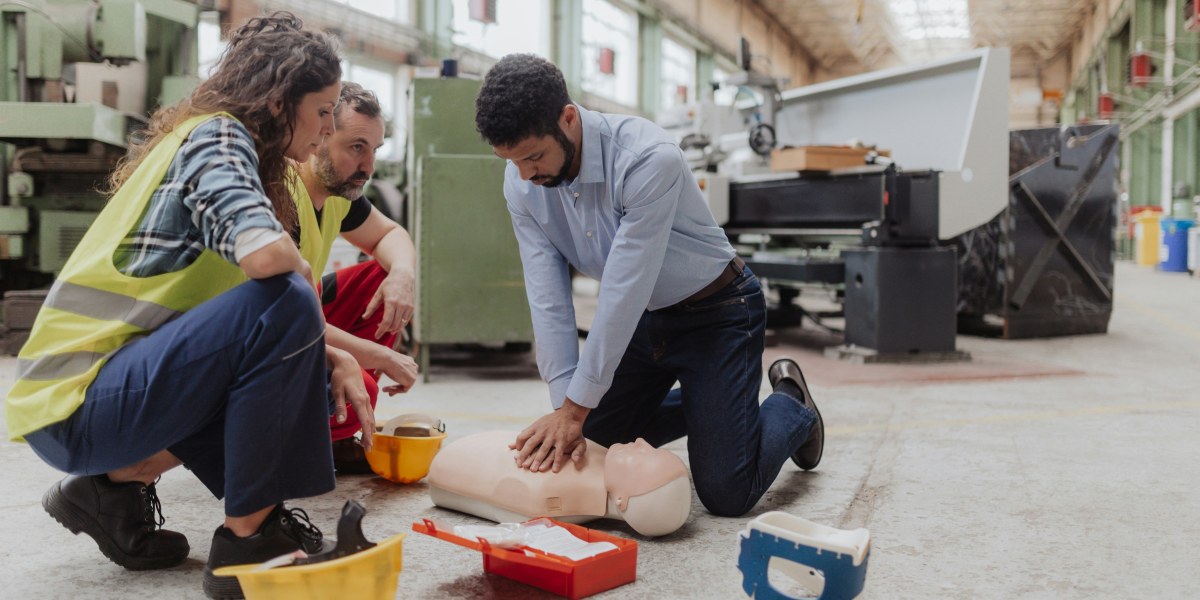
- Performing proper chest compressions and rescue breaths.
- Using an automated external defibrillator safely.
- Controlling bleeding and helping someone in shock.
- Understanding how to handle minor injuries until professionals arrive.
Practicing these actions repeatedly helps you build muscle memory. That way, if a real emergency happens, your body and mind already know what to do. You’ll react with confidence instead of fear.
Why Certification Benefits Every Workplace
Many workplaces now require CPR and first aid certification as part of their safety programs. This is because emergencies can occur anywhere — from offices to schools to gyms. Having trained people on-site can save valuable time before emergency responders arrive.
Employers value certified employees because:
- They improve overall safety standards.
- They can take quick action during incidents.
- They help meet legal and insurance requirements.
Even if your job doesn’t require certification, it’s still a valuable skill. Knowing how to perform CPR or stop severe bleeding is a valuable skill that can be helpful at home, at school events, or even in public places. Being the person who steps forward in a crisis shows responsibility and compassion.
How to Keep Your Skills Fresh
Certification is not a one-time thing. Skills can fade if you don’t practice. It’s smart to review what you learned every few months or take refresher courses when your card expires.
To stay ready:
- Schedule regular practice sessions, even a few minutes reviewing steps can help.
- Watch short educational videos from trusted sources.
- Encourage friends or coworkers to get certified with you.
- Keep emergency numbers and AED locations visible in your workplace.
The more often you revisit your training, the more confident you’ll feel when the need arises. Lifesaving skills should be kept sharp, just like any other skill.
Spreading Awareness and Building Safer Communities
When you complete your course, you become an ambassador for safety. Encourage others to learn too. Schools, community centers, and businesses benefit when more people know how to act in an emergency.
You can:
- Share what you learned with family or coworkers.
- Consider suggesting that your company host a group training session.
- Teach children basic safety awareness suited to their age.
- Advocate for AEDs in public spaces and workplaces.
Every person trained means another chance for someone to survive an unexpected event. Certification is not just personal achievement—it’s a gift to your community.
Conclusion
Getting certified in CPR and first aid is one of the most practical and meaningful steps you can take. It prepares you to help when someone’s life is at risk and builds a culture of care wherever you go. A course from CPR certification now gives you simple, clear, and practical guidance that can make all the difference in an emergency.
Whether you work with children, manage a team, or simply want to be prepared, knowing what to do in those crucial moments matters. Take time to learn, practice, and stay updated. You’ll gain not only a certification but also the confidence to protect lives. When every second counts, your skills could be the reason someone gets a second chance at life.
Disclaimer: This article provides general information about CPR and first aid training. It is not a substitute for professional medical advice or care. Certification programs teach life-saving skills but do not replace emergency medical services. Always seek professional help in an emergency.