

By: Alena Wiese
For years, peripheral neuropathy has occupied an uncomfortable place in outpatient healthcare. It is common, persistent, and often life-altering for patients—yet frequently misunderstood, inconsistently evaluated, and difficult to explain in ways that create clarity and confidence.
Across the country, clinicians are seeing more patients with numbness, tingling, burning pain, balance instability, and unexplained sensory changes. Many of these patients arrive after months or years of fragmented care. Some have been told that nothing can be done. Others have received explanations that never quite connected symptoms to a coherent plan.
What is changing now is not the condition itself, but how clinicians are beginning to talk about it.
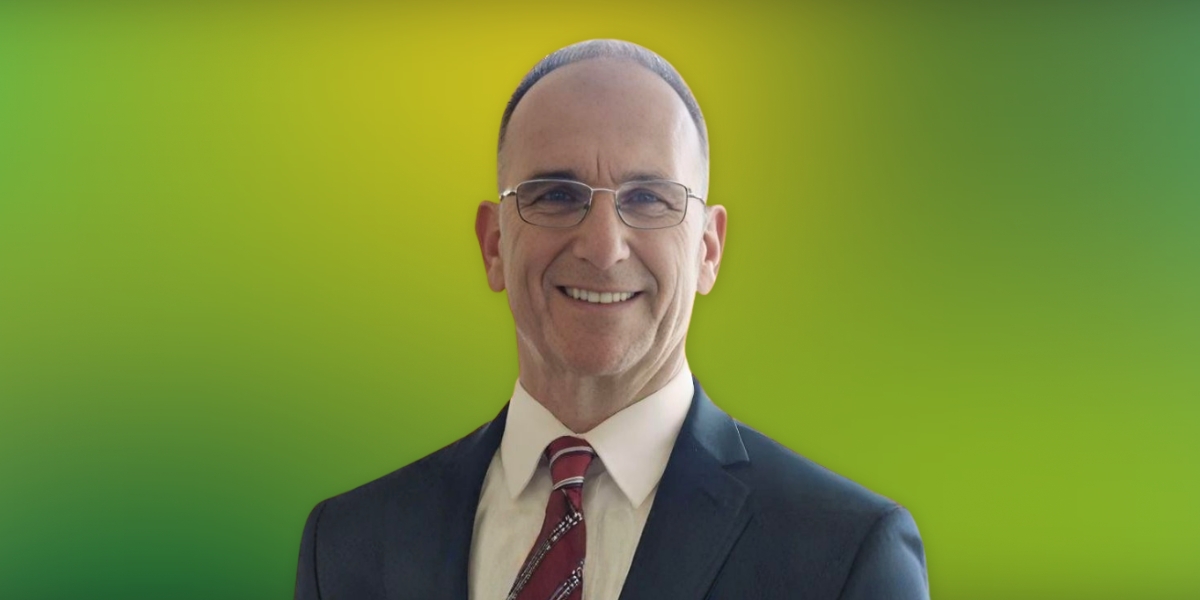
There is a growing recognition that neuropathy is not simply a diagnosis problem or a treatment problem. It is a systems problem—one that exposes gaps in training, communication, and clinical reasoning. That realization is driving national interest in Dr. Michael W. Mathesie, a Certified Laser Practitioner and board-certified rehabilitation specialist who will headline a three-hour Neuropathy Deep Dive at The Shift Summit this February.
When a Common Condition Becomes a Blind Spot
Peripheral neuropathy is not rare. It affects millions of adults and is associated with a wide range of underlying contributors, including metabolic disease, medication exposure, mechanical stress, and age-related nerve degeneration. Yet despite its prevalence, many clinicians acknowledge that neuropathy was never taught as a structured discipline.
Instead, it appeared in fragments—symptoms without systems, diagnoses without frameworks, treatments without a clear process for explanation or follow-up.
The result is a condition that quietly destabilizes care. Neuropathy visits often take longer than expected. Documentation becomes complex. Patients struggle to understand what is happening in their bodies. Compliance drops when care plans feel vague or inconsistent.
Over time, this erodes trust—not only in the provider, but in the care experience itself.
Across disciplines, clinicians are beginning to recognize that neuropathy exposes something deeper: the absence of a repeatable way to evaluate complex neurological presentations and lead patients through uncertainty.
A Clinician Known for Solving the “Hard Cases”
Dr. Michael W. Mathesie has spent much of his career working in that space.
With decades of experience in rehabilitation, neurological assessment, and conservative care, his professional focus has consistently centered on patients whose symptoms do not fit neatly into standard orthopedic or pain-only models. As a Diplomate of the American Chiropractic Rehabilitation Board (DACRB), former board member of the Florida Board of Chiropractic Medicine, and Certified Laser Practitioner, his background reflects both clinical depth and regulatory understanding.
What distinguishes Dr. Mathesie’s work is not a single technique or modality. It is his emphasis on how clinicians think.
“Neuropathy isn’t mysterious,” he has said. “What’s missing for most providers is a structured way to evaluate it and explain it—both to themselves and to the patient.”
That perspective has resonated nationally, particularly as clinicians face increasing pressure to deliver clarity in an environment defined by complexity.
The Shift Toward Clinical Reasoning Over Guesswork
In recent years, healthcare has seen rapid innovation in tools and technology. Yet many clinicians are discovering that tools alone do not solve neuropathy cases.
Patients do not disengage because a modality failed. They disengage because they never understood the condition or the purpose of care.
Dr. Mathesie’s approach addresses this directly by focusing on clinical reasoning as the foundation of effective care. His framework emphasizes:
- Accurate classification of neuropathy, including small-fiber versus large-fiber involvement
- Differentiation between sensory, motor, and autonomic dysfunction
- Focused patient histories that uncover true drivers of symptoms
- Clear, repeatable physical and neurological examinations
- Objective tracking using screening tools and patient-reported outcome measures
- Scope-appropriate clinical impressions and decision-making
- Knowing when conservative care is indicated and when referral or co-management is appropriate
Equally important is communication. Dr. Mathesie teaches clinicians how to explain neuropathy in language patients can understand—without minimizing symptoms or creating false expectations.
This shift—from intuition to structure—is what many clinicians say has been missing.
Why a Three-Hour Workshop Is Drawing National Interest
Dr. Mathesie will bring this framework to a national audience at The Shift Summit through a three-hour intensive titled “SHIFT Your Approach to Peripheral Neuropathy for More Effective Outcomes.”
Unlike traditional continuing education, the session is designed for practicing clinicians who want to leave with a usable plan, not just information. The focus is not on adding another technique, but on strengthening how clinicians evaluate, explain, and lead neuropathy care from the first visit forward.
Attendees are expected to walk away with:
- A structured approach to identifying and classifying neuropathy
- A repeatable examination process they can apply immediately
- Clear language frameworks for patient education
- Tools for tracking progress and supporting clinical decisions
- Greater confidence in managing complex neurological presentations
For many clinicians, this represents a turning point—from managing neuropathy reactively to approaching it with intention and clarity.
A National Conversation, Not a Local One
Although The Shift Summit will be held in Richardson, Texas, the interest surrounding Dr. Mathesie’s Neuropathy Deep Dive reflects a national conversation.
Clinicians across the country are grappling with the same challenges: increasing patient complexity, higher expectations for explanation and outcomes, and limited time to navigate uncertainty. Neuropathy sits at the intersection of all three.
What makes this moment different is the growing willingness to acknowledge that the problem is not a lack of effort or compassion—but a lack of structure.
Events like The Shift Summit signal a broader recalibration in healthcare: away from fragmented approaches and toward systems that support confidence, defensibility, and trust.
More Than a Single Session
The Shift Summit brings together clinicians and leaders from multiple disciplines, including regenerative care, performance, and practice leadership. Speakers include Dr. Robert Hanopole and Dr. Michael Rubenstein, co-founders of ReliefNow® Laser Centers, among others.
The unifying theme is not promotion, but clarity—how modern healthcare professionals can practice effectively in an environment defined by complexity.
Why This Moment Matters
Peripheral neuropathy is not going away. As populations age and chronic disease becomes more prevalent, clinicians will see these cases more frequently—not less.
The question facing healthcare professionals is no longer whether they will encounter neuropathy, but whether they are equipped to lead patients through it with confidence.
Dr. Michael W. Mathesie’s work—and his three-hour Neuropathy Deep Dive at The Shift Summit—reflects a growing recognition that clarity is not optional. It is the foundation of trust, outcomes, and sustainable care.
For clinicians ready to move beyond guesswork, the shift has already begun.
The Shift Summit
February 21, 2026
Richardson, Texas
Learn more:
https://event.reliefnowlaserdoc.com/theshiftsummit
Disclaimer: The content provided is for informational purposes only and should not be construed as medical advice. Readers should consult with a qualified healthcare professional before making any healthcare decisions. Results and outcomes from treatments mentioned may vary based on individual circumstances.