

Hospital readmissions remain a persistent challenge across the healthcare system. Many patients return shortly after discharge, not because of a single major setback, but because small issues quietly escalate once they are back at home.
Each return visit carries real consequences. Costs rise, hospital beds fill, and recovery gets interrupted—often just as patients are beginning to regain stability.
In New York, where hospitals routinely operate near capacity, the days immediately following discharge matter more than ever. When skilled nursing support continues in the home during early recovery, problems are more likely to be caught early, and avoidable return trips become far less common.
Why Hospital Readmissions Continue to Happen
Discharge day can feel like a finish line, but recovery truly begins once patients return home. Instructions that made sense in a hospital room can become harder to follow when daily routines resume and symptoms begin to shift.
Medication changes are one of the most common trouble spots. New prescriptions, discontinued medications, and adjusted doses can easily create confusion. Side effects may initially resemble normal recovery, allowing warning signs to slip by. Missed doses, incorrect timing, and even double-dosing can happen quickly, especially when more than one caregiver is involved.
Follow-up care introduces another layer of risk. Appointments are often scheduled days later, while questions surface immediately. Phone calls turn into voicemail loops, and families are left waiting. During that gap, early symptoms can escalate into dehydration, infection, uncontrolled pain, or breathing difficulties.
Hospital readmissions rarely stem from a single mistake. More often, they result from small gaps that accumulate during an already fragile period of recovery.
How Home-Based Nursing Supports Post-Discharge Care
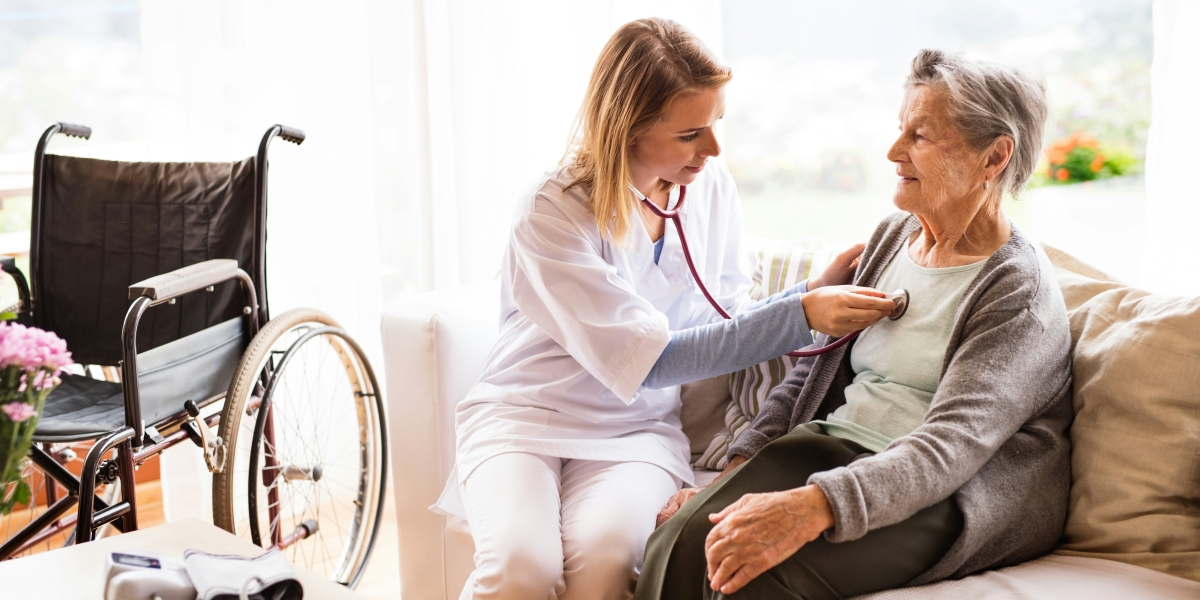
Home-based nursing helps bridge the gap between hospital instructions and daily life at home. Nurses monitor symptoms, reinforce medication routines, and provide continuity during the most vulnerable stage of recovery.
Small changes often appear before a crisis. Swelling, fever, confusion, shortness of breath, or unusual fatigue can signal trouble early. With consistent oversight, patterns emerge before those warning signs turn into emergencies.
Medication support also becomes more manageable. Schedules are organized, treatments are used correctly, and side effects are tracked in real time. Families no longer have to guess whether a symptom is part of recovery or something that needs attention.
Clear, consistent communication strengthens the process. When updates move smoothly between home and care teams, concerns can often be addressed through same-day calls or clinic visits—avoiding unnecessary emergency readmissions.
Why Chronic Conditions Increase Readmission Risk
Chronic illness raises the risk of readmission because recovery rarely moves in a straight line. Symptoms fluctuate, routines slip, and small problems can become urgent without close monitoring.
Stroke recovery often unfolds unevenly. Strength, balance, speech, and swallowing may improve, then regress. Falls, dehydration, and medication complications frequently surface during rehabilitation at home. Consistent nursing oversight helps track these shifts and identify changes that require a timely response.
Neurological conditions introduce additional complexity. Tremors, stiffness, confusion, and sleep disruption can vary day to day. Medication timing plays a critical role in mobility and safety, and missed or delayed doses can have outsized consequences. Risk increases when families are unsure which changes are expected and which signal a need for intervention.
Long-term conditions further heighten vulnerability after discharge. Heart and lung issues can worsen with fluid changes or infection. Diabetes may destabilize during periods of stress or reduced appetite. At home, everyday factors—poor sleep, missed meals, limited mobility—can quietly compound risk. Readmissions become more likely when symptoms go untracked, and support feels fragmented.
Private Duty Nursing and the Importance of Continuity
Continuity plays a central role in preventing avoidable hospital returns. After discharge, many patients receive brief, task-focused support. Visits may be spaced out, leaving families to manage gaps on their own.
Private duty nursing provides steadier oversight. When the same nurse—or a small, consistent care team—knows a patient’s baseline symptoms and daily routines, changes are easier to recognize. Follow-through improves, and care becomes simpler to coordinate.
The difference often appears in everyday details. Medication side effects may seem mild at first, then worsen over several days. Skin issues, swelling, shortness of breath, or reduced appetite can remain subtle until patterns emerge. Ongoing nursing presence makes it easier to spot those patterns and respond before symptoms lead to a hospital return.
Consistent nursing routines also support safer transitions. Regular check-ins at home reinforce instructions, reduce confusion, and help patients regain confidence as recovery continues.
How Home Care Providers Help Reduce Hospital Readmissions
Home care providers play an important role in reducing hospital readmissions when post-discharge support remains organized, responsive, and consistent. In the early days after discharge, patients often need clear routines, timely answers, and steady follow-through as symptoms shift and recovery unfolds at home.
Nurse-led planning helps bring structure to that period. Care stays focused on keeping instructions clear, tracking symptoms as they evolve, and guiding families on what to watch for next. Services such as nurse care management support post-discharge recovery by improving coordination, reinforcing medication routines, and keeping communication consistent across care teams.
For more complex situations—such as frequent medication changes, higher fall risk, or multiple chronic conditions—expanded coverage can provide added reassurance. Having reliable clinical oversight reduces uncertainty and helps prevent small issues from escalating.
Across the New York metropolitan area, private duty nursing has become an essential part of post-discharge and long-term home-based care. Providers such as Affinity Home Care support patients through private duty nursing and nurse care management services designed to help individuals recover safely at home and remain there during ongoing treatment.
Search behavior reflects this growing need. Families leaving the hospital often look for terms like private duty nursing Long Island when symptoms feel uncertain, and support needs change quickly. Consistent home-based nursing helps catch problems early, maintain continuity, and keep recovery on track—reducing avoidable hospital returns.
Looking Ahead: Recovery Beyond the Hospital
Hospital readmissions remain common because recovery does not end at discharge. Once patients return home, care often becomes fragmented, symptoms can shift quickly, and small uncertainties can grow into urgent problems.
Home-based nursing helps reduce that risk by extending clinical oversight into daily life. Consistent symptom monitoring, medication support, early intervention, and clear communication with care teams all help stabilize recovery during its most vulnerable stage.
Private duty nursing adds continuity. With steady presence and familiar routines, patients and families are better able to follow care plans, recognize changes, and respond before complications escalate. When support remains consistent beyond the hospital, recovery at home becomes more predictable, more manageable, and better sustained.