


Even if you don’t immediately notice symptoms, head trauma can be a serious concern after a car accident. Traumatic brain injuries (TBIs), concussions, and other head injuries may not always present obvious signs right away, making timely medical evaluation an important step.
Knowing when and how to get checked for head trauma after a car accident can play a key role in recovery and long-term health. Let’s explore the warning signs, diagnostic procedures, and steps to take if you suspect a head injury.
Diagnostic Tests for Head Trauma
If you suspect a head injury, a medical professional may recommend several tests to assess the extent of the damage. These evaluations help identify visible injuries, brain abnormalities, and cognitive impairments, contributing to a more accurate treatment plan.
- Physical and Neurological Examination: This exam checks for external injuries, evaluates cognitive function, and tests reflexes, coordination, and sensory responses.
- CT Scan (Computed Tomography): Often the first imaging test performed after trauma; it can detect bleeding, swelling, or skull fractures quickly.
- MRI (Magnetic Resonance Imaging): Brooklyn Open MRI provides highly detailed brain images and may reveal subtle injuries, bruising, or nerve damage that a CT scan might not show.
- X-rays: Primarily used to detect skull fractures or spinal injuries, though they do not show brain tissue.
- Cognitive and Memory Tests: These tests assess memory, concentration, and problem-solving skills if a concussion is suspected.
Healthcare providers can use these tools to diagnose head trauma and help determine an appropriate course of treatment. For those seeking high-quality imaging, diagnostic centers offer advanced technology that can detect even minor brain injuries.
Signs You May Need Immediate Medical Attention
Some symptoms of head trauma are more obvious, while others may develop hours or even days after the accident. If you experience any of the following, it is important to seek medical help as soon as possible:
- Loss of consciousness, even briefly
- Severe headache that worsens over time
- Confusion, disorientation, or memory loss
- Nausea or vomiting
- Dizziness or loss of balance
- Slurred speech
- Seizures
- Dilated pupils or vision changes
- Weakness or numbness in limbs
Even if symptoms seem mild, they could potentially indicate a concussion or a more serious brain injury. Early diagnosis may help prevent complications.
When to Get Checked Even Without Symptoms
Head trauma from a motor vehicle accident can range from mild concussions to more significant brain injuries, such as axonal injury, a common type of brain damage caused by the brain shifting inside the skull. Recognizing the type of injury and seeking timely medical treatment may reduce the risk of permanent damage or complications like swelling or oxygen deprivation.
It is generally advisable to seek medical evaluation after a car accident if:
- You hit your head on an object like a steering wheel or window
- The accident involved a high-speed impact or a rollover
- Airbags deployed
- You were ejected from the vehicle
- You experience lingering fatigue, mood changes, or difficulty concentrating
Getting an MRI after a car accident could be helpful for detecting hidden injuries early, potentially leading to the appropriate treatment before any issues worsen. This proactive step helps ensure your health is properly assessed, which can provide peace of mind. Early detection may also help in preventing long-term complications and supporting a smoother recovery.
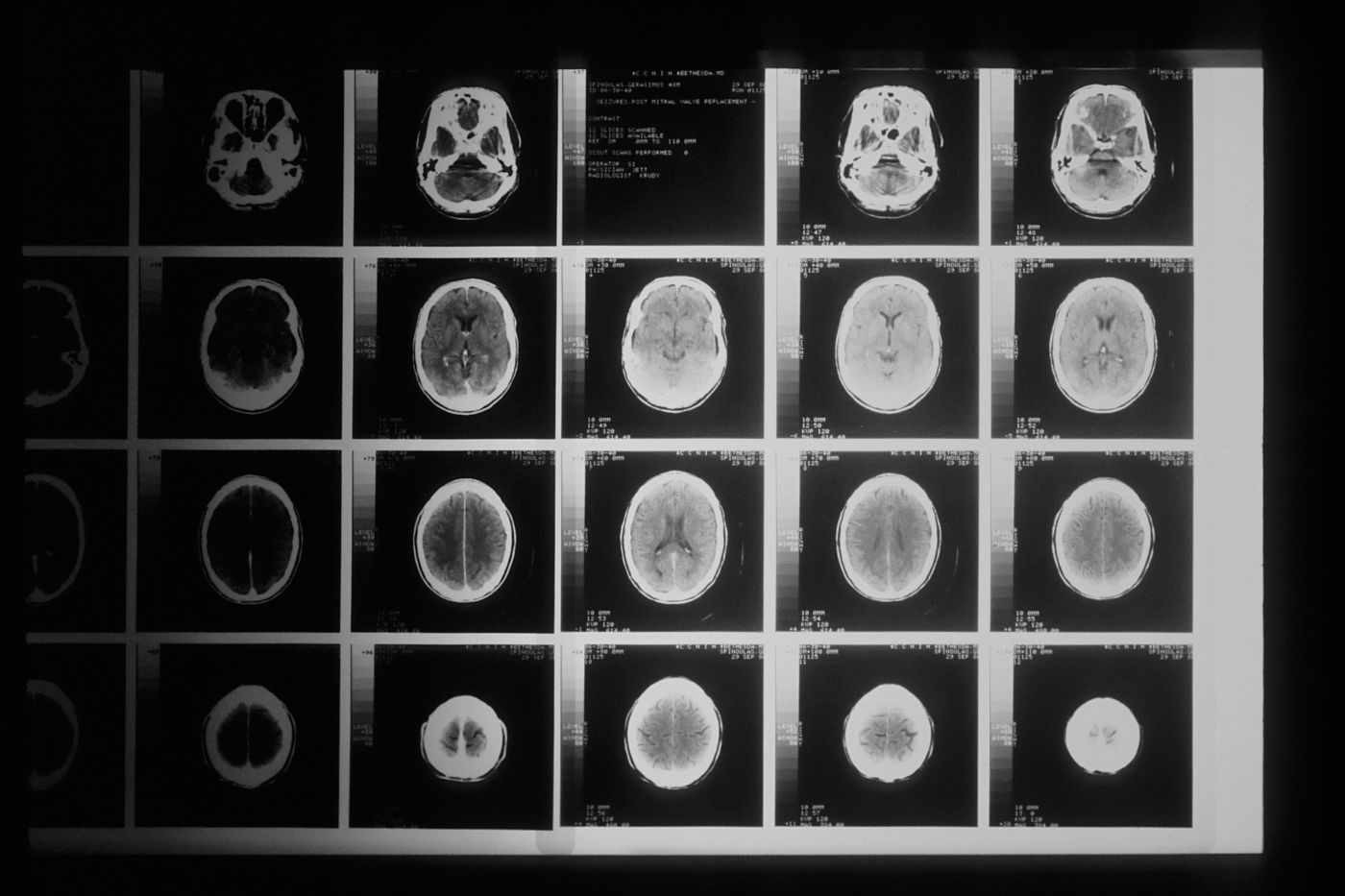
Photo: Unsplash.com
Steps to Take After a Car Accident
After a car accident, it’s important to prioritize your health and take steps to protect your legal rights. Even if injuries aren’t immediately noticeable, following the right steps can prevent complications and ensure proper compensation if needed. Here’s what you should consider doing:
- Seek Medical Help: Even if you feel fine, it’s advisable to get evaluated by a healthcare professional. Some injuries, such as whiplash or concussions, may not show symptoms right away.
- Document Symptoms: Keep a record of any physical and cognitive changes, such as headaches, dizziness, or memory issues, due to traumatic brain injury (TB), for medical
- and legal purposes.
- Follow Up with Specialists: Neurologists or concussion specialists can provide further evaluation if you suspect a brain injury or other serious condition.
- Avoid Physical Strain: Rest and avoid activities that could worsen symptoms. Pushing yourself too soon could slow down the recovery process.
- Consider Legal and Insurance Steps: If another driver was at fault, medical documentation may be important for your claim. Consult an attorney if needed to understand your legal options.
Taking these steps can help protect your well-being and rights after an accident. Don’t hesitate to seek professional advice, both medically and legally, to effectively navigate the aftermath.
Bottom Line
Head injuries can sometimes be subtle. Even minor crashes might cause concussions or brain trauma that may not show immediate signs. If you’re helping someone who may have a head injury, watch for worsening headaches, slurred speech, or unusual fatigue. Encouraging rest, limiting screen time, and avoiding physical strain could be beneficial. When in doubt, it’s best to consult a doctor. It’s always better to err on the side of caution when dealing with potential brain injuries.
Disclaimer: The information provided in this article is for general informational purposes only and is not intended as medical advice. While the content is based on commonly accepted practices and guidelines, it is important to remember that each individual’s situation may vary. For any concerns regarding head trauma or any medical condition, please consult a healthcare professional for a personalized assessment and advice. The article does not substitute for professional medical diagnosis, treatment, or care. Always seek the advice of your doctor or another qualified health provider with any questions you may have regarding a medical condition.