


If your child plays Roblox or uses Discord, it’s essential to understand the potential risks they may face. While these platforms are popular among children and teenagers, they are also spaces where online predators may attempt to exploit vulnerable users. Parents often perceive these platforms as safe environments, but it’s crucial to remain vigilant about the potential dangers posed by adult users trying to engage with minors.
The Problem Is Systemic
This isn’t about isolated incidents. Federal prosecutors, Roblox sexual abuse lawsuit attorneys, and Discord sexual abuse lawsuit attorneys across the country have raised concerns about child sexual exploitation on these platforms. Some individuals on Roblox may misuse chat features and private messaging to befriend children. Predators might offer in-game currency, exclusive items, or assistance in advancing through games. Once trust is established, there have been reports where conversations have shifted to inappropriate requests.
On Discord, a messaging and voice chat platform popular with gamers, some individuals may create or join servers where children gather. The platform’s direct messaging, voice channels, and file-sharing features can be misused to isolate and exploit young users.
Recent Legal Actions

Photo: Unsplash.com
The scale of the problem has triggered a wave of civil claims, with parents contacting Roblox lawsuit attorneys.
In 2024, a California mother filed a Roblox sexual abuse lawsuit after her 9-year-old daughter was sexually exploited by an adult user who befriended her through the game. The predator gained her trust over months before coercing her into sending explicit images.
The Grooming Process
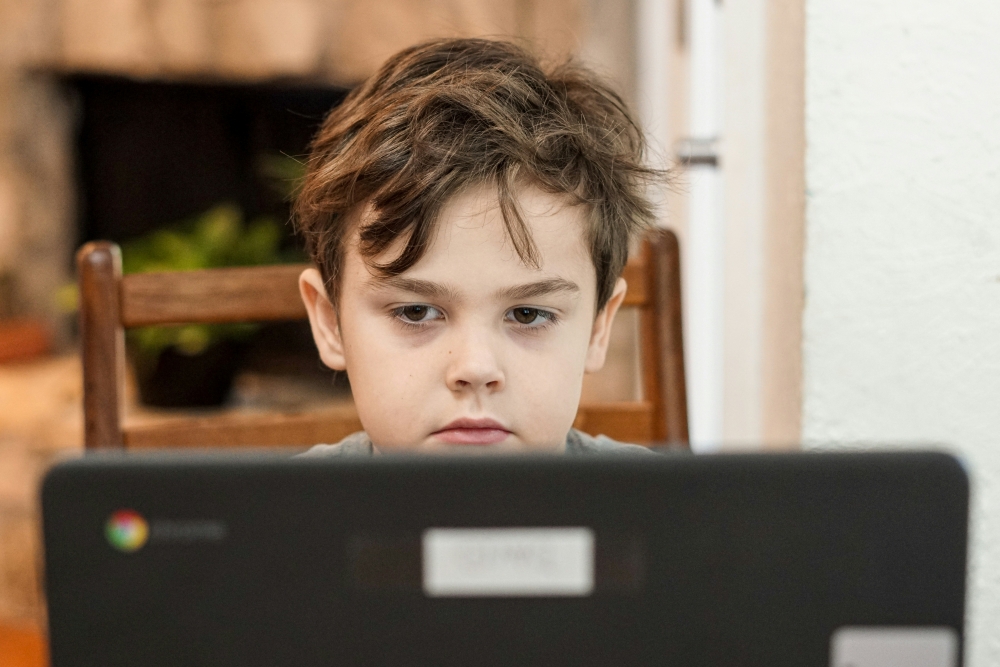
Photo: Unsplash.com
Understanding how predators operate is critical for parents. Grooming typically follows a pattern: Initial contact through friendly overtures, often offering in-game help or compliments. Over time, the predator becomes a regular gaming partner, generous with gifts and making the child feel special. The predator then suggests moving to private chats and asks the child not to tell parents about their friendship.
Next comes testing boundaries through inappropriate jokes, questions about the child’s body, or sharing explicit images. Once the child is desensitized, the predator requests explicit photos or videos, arranges video calls, or pushes for in-person meetings. Finally, predators may use threats, guilt, or blackmail to keep victims compliant and silent.
Warning Signs Parents Must Know
Warning signs of grooming include:
- Secretiveness about online friends or activities
- Receiving gifts, game currency, or items from online “friends”
- Spending excessive time messaging with specific users
- Reluctance to let parents see their screen
- Changes in behavior, mood, or sleep patterns
- Inappropriate sexual knowledge for their age
Trust your instincts: If something feels off about your child’s online behavior, investigate. Predators count on parents being too trusting, too busy, or too tech-illiterate to notice.
What You Can Do Right Now
If you believe your child may have been targeted or exploited:
- Act quickly, but don’t panic
- Document everything – take screenshots of conversations and usernames
- Don’t delete anything until you’ve consulted the right authorities
- Report to NCMEC at CyberTipline.org
- Contact local law enforcement
If your child uses these platforms but hasn’t been victimized:
- Have an immediate conversation about online safety
- Review and strengthen privacy settings
- Establish clear rules about who they can communicate with online
- Implement regular monitoring of their online activity
- Consider whether your child is mature enough for these platforms
For all parents:
- Educate yourself about the platforms your children use
- Stay involved in their online lives
- Create an environment where your child feels safe reporting uncomfortable online interactions
The Uncomfortable Truth
Roblox and Discord have become so integral to how children socialize that many parents feel they cannot prohibit their use without isolating their kids. While there are legitimate concerns regarding child safety online, awareness and vigilance can significantly reduce the risk. Children whose parents are actively engaged in their online lives, who understand the platforms they’re using and who they’re talking to, and who maintain open conversations about online safety, are less likely to become victims.
The goal isn’t to alarm parents or ban technology, but to ensure parents understand the real risks these platforms pose and take them seriously. Your child’s safety is worth the uncomfortable conversations, the time spent monitoring their activity, and the potential social friction of being more restrictive than other parents.
Disclaimer: The information provided in this article is for general informational purposes only. It is not intended as legal advice or a substitute for professional guidance. If you believe your child has been targeted or exploited online, we strongly recommend consulting law enforcement, a child exploitation expert, or a legal professional. We do not endorse or imply liability regarding the safety measures of any platforms mentioned. Parents should remain vigilant and assess the online environments their children engage with, ensuring appropriate safety measures are in place.