

By: Olivia Grant
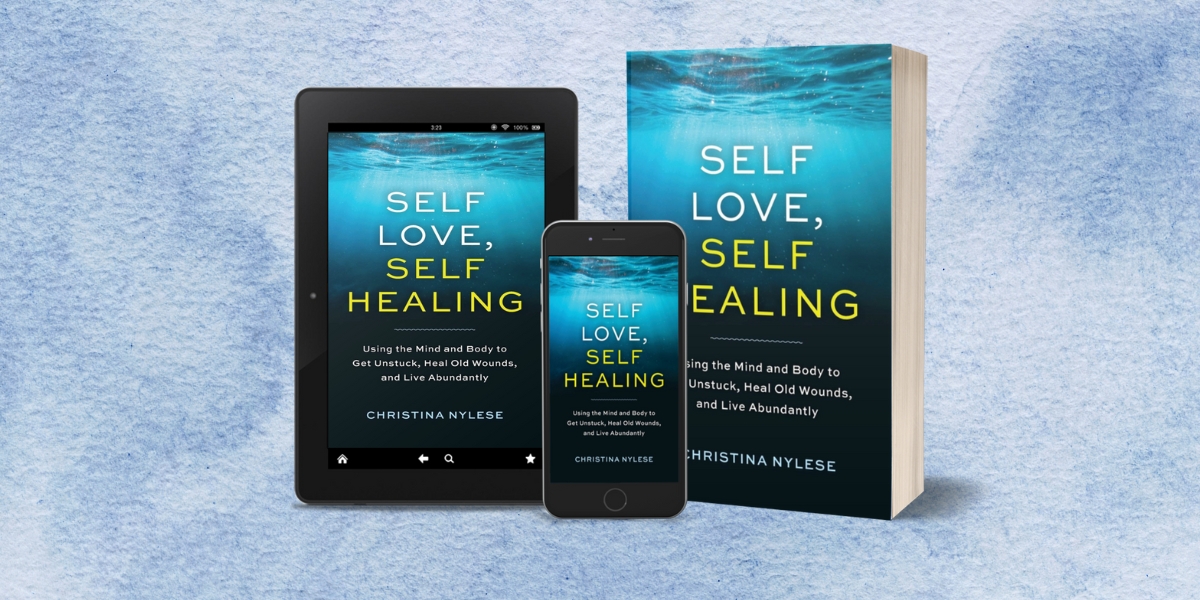
In a world often seeking quick fixes and external solutions, Self-Love, Self-Healing: Using the Mind and Body to Get Unstuck, Heal Old Wounds, and Live Abundantly offers a refreshing approach. Released on April 1, 2025, by holistic health coach and author Christina Nylese, this insightful book invites readers to explore the potential of self-love and healing as part of a journey toward wholeness.
At its core, Self-Love, Self-Healing blends memoir with practical guidance. Christina opens up about her experiences with addiction, perfectionism, and codependency, shedding light on challenges many face but often remain silent about. The result is a candid exploration that neither avoids pain nor complexity, but instead suggests that these struggles can be part of a path to transformation.
Divine Inspiration and the Birth of the Book
Christina’s process of writing the book is in itself a testament to the themes she explores. In an exclusive interview, she explained that the book began not as a memoir but as a digital course focused on a different audience and topic. However, as she wrote, her personal journey toward sobriety and deeper healing came to the forefront.
“This book didn’t begin the way it ended,” Christina shared. “Instead of resisting it, I stayed curious and kept writing. What I uncovered were parts of myself I hadn’t fully healed, despite already having the tools. That realization became the heart of the book.”
She attributes the unfolding of this project to divine inspiration, but emphasizes that it’s not just about her own healing—it’s also about offering others a way to discover that they, too, have the capacity for healing. “It’s not just about my healing,” she says, “it’s about showing others they have the ability to heal, too.”
Defining Self-Love and Self-Healing
The title itself suggests a dynamic and evolving process. Christina explains that self-love is the cornerstone of this journey—the essential foundation for self-healing. Rather than presenting self-love as a vague or abstract concept, she offers it as a practical practice rooted in mindfulness, self-awareness, and compassion.
“Self-healing has been the thread through all of my work,” Christina notes. Her coaching practice, Self-Healing Essentials, embodies this philosophy. Crucially, she stresses that self-healing is not about solitary struggle, but more about awakening the inner resources we may have forgotten—awareness, agency, and the power to make different choices.
“That’s what disrupts the cycle. That’s where transformation can begin.”
From Rock Bottom to Renewal
Christina’s recounting of her own struggles with addiction and perfectionism may resonate with many readers. Her story is not defined by a single dramatic moment but by a gradual unraveling of self until a turning point emerged.
“I describe the day I had my last drink,” Christina recalls. “It wasn’t planned; it was a moment of surrender. I was so exhausted, so depleted physically, mentally, and spiritually, I simply couldn’t continue.”
A week later, she found herself in a homeless shelter, confronting the stark reality of her situation. “In that sober moment, I surrendered, and from there, things slowly began to shift.”
Her personal experience gives the book authenticity and a sense of hope, emphasizing that healing is often a nonlinear process, but it is certainly a possibility for those who choose to pursue it.
The Body’s Role in Emotional Healing
Unlike some approaches that focus solely on the mind, Christina integrates the mind-body connection into her healing philosophy. She explains how nourishing the body with rest, movement, and nutritious food creates a synergistic effect that can positively influence mental and emotional well-being.
“When we take care of our bodies, we activate the mind-body connection in ways that can be transformative,” she explains. “Movement, for example, releases endorphins and encourages healthier choices. This cycle rewires our brains, shifts how we speak to ourselves, and reconnects us with purpose.”
Her holistic approach encourages readers to view healing as an integrated system—mind, body, and soul working together for sustained change.
Practical Steps for Those Feeling Stuck
For many, the most difficult step is simply beginning. Christina acknowledges that awareness alone doesn’t always result in change. “If nothing changes, nothing changes,” she reminds readers, echoing a recovery mantra.
She encourages readers to acknowledge their current reality and be willing to take the necessary steps toward transformation. Self-inquiry—asking genuine questions about personal motivations and behaviors—becomes a gateway for overcoming challenges like codependency and low self-worth.
“Getting unstuck starts with getting honest,” she says. “Self-inquiry opens the door to real healing.”
Why This Book Matters
Self-Love, Self-Healing stands out not only for its personal storytelling but also for its actionable wisdom. Each chapter includes reflective exercises and “Self-Healing Invitations” designed to help readers begin their own journeys toward wholeness.
In a culture that often places emphasis on external success or quick fixes, Christina’s message is significant: healing is a gradual process that starts with an inward focus, fostering kindness, courage, and conscious choices.
Readers from various backgrounds will likely find something to connect with in her words, whether they are struggling with addiction, perfectionism, emotional pain, or simply seeking a more meaningful life.
Where to Find It
Available in hardcover, paperback, and eBook formats, Self-Love, Self-Healing is accessible to a wide range of readers who are ready to embark on this transformative journey. Christina Nylese’s book is more than just a read—it serves as an invitation to discover and cultivate the love and healing potential already present within.