

If you’re suffering from pain, limited mobility, or lack of strength that’s interfering with your quality of life, you’re not alone. According to the World Health Organization, around 2.4 billion people live in the same predicament. Amidst all this gloomy news, however, there’s a glimmer of hope. Physical therapy.
These hands-on exercises and techniques tailored to your needs can significantly reduce discomfort, improve flexibility and balance, and help you regain independence for daily tasks.
If you’re wondering how, you’re in the right place. Here’s what physical therapy brings to the table:
1. Less Pain And Inflammation
A study established that in 2021, about 21% of US adults experienced chronic pain. Another 6.9% experienced high-impact chronic pain thanks to injuries, medical issues, and so on. If you’re one of those affected, physical therapy can be a game-changer.
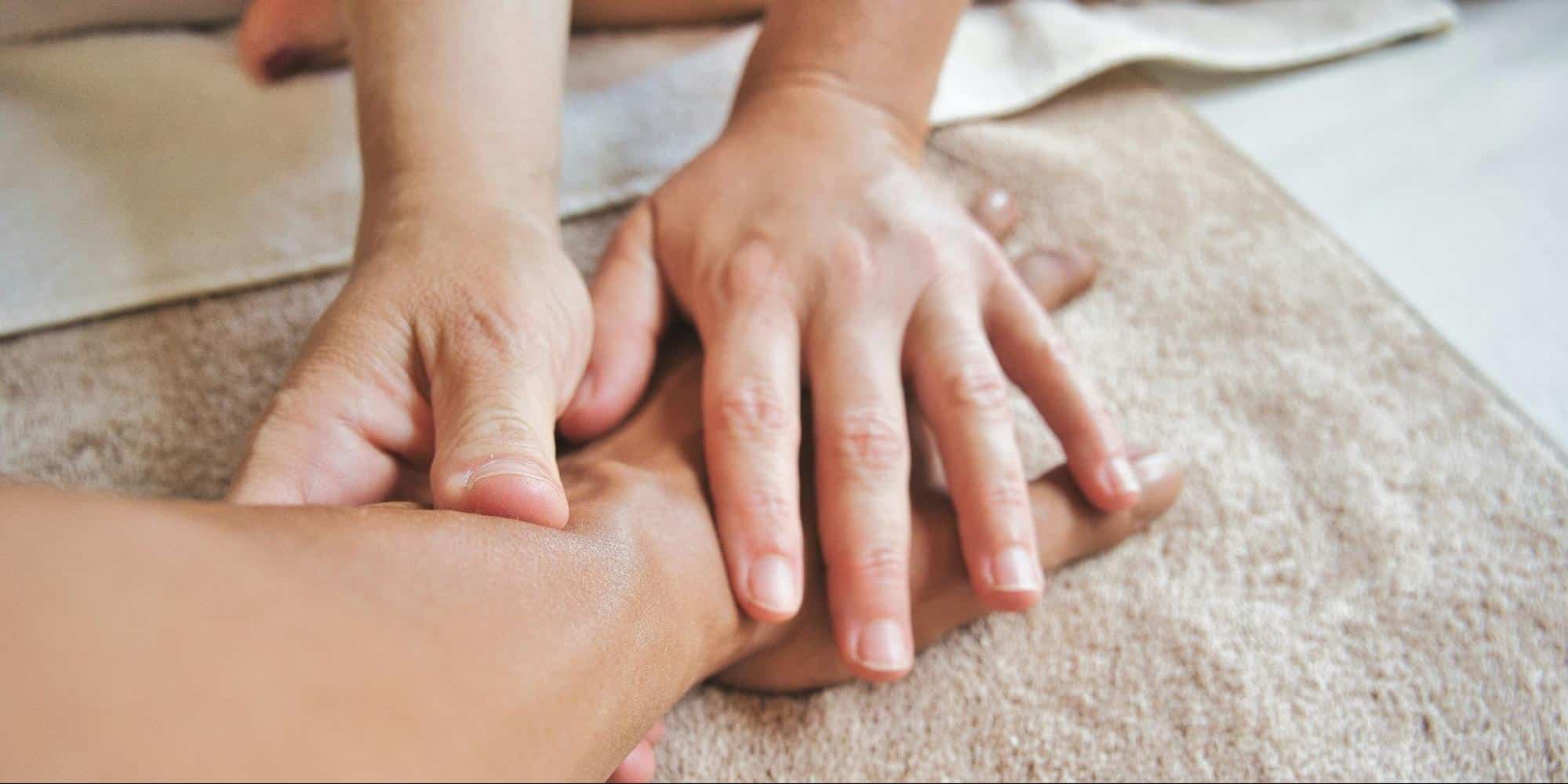
Rather than masking your symptoms with medication, your physical therapist gets to the root of what’s causing discomfort in your body. Through hands-on techniques like massage, joint mobilization, and trigger point therapy, they can help reduce muscle tightness, improve blood flow, and calm irritated nerves.
Not only will this help you hurt less day-to-day, but it can speed up healing after an accident or operation. Best of all, your therapist will show you stretches and exercises you can do at home to keep pain at bay.
2. Movement With More Freedom
Moving through daily activities can feel like a chore if you’ve got stiff joints and tight muscles. Physical therapy can change that by improving your mobility and flexibility through customized stretches and range-of-motion exercises.
Your therapist can help you pinpoint problem areas in your body that have limited movement over time. They’ll then design a flexibility program to safely increase your range of motion. This may include gently stretching tight muscles, mobilizing stiff joints, or even using assisted devices to allow further movement.
With improved flexibility, simple tasks like looking over your shoulder or reaching overhead can become easier.
3. Increased Strength And Resilience
Physical therapy isn’t just about stretching—it can also help you develop muscular strength, coordination, and endurance through targeted exercises.
Your therapist will assess your balance, posture, and stability to identify areas for improvement. They’ll then prescribe exercises to reinforce muscles that support your joints, back, or core. This may involve using resistance bands and weights or simply leveraging your body weight.
As you progress, you’ll notice daily activities like lifting groceries, playing with kids, or tackling household chores become less tiring.
4. More Confidence And Control
The physical improvements from therapy can also have significant effects on your mental and emotional health. As your body grows stronger and more flexible through targeted exercises, you may feel a renewed sense of confidence in what you can achieve.
Small wins, such as mobilizing sore joints through their range of motion or completing a workout without getting winded, can boost your self-esteem. You may also find physical therapy helps ease feelings of stress or anxiety. After all, the combination of movement and human connection can offer a healthy outlet for any pent-up tension.
Moreover, regular sessions teach you tangible pain management techniques while giving you an opportunity to process what’s on your mind. With a clearer head plus a greater sense of command over your healing, you can tackle challenges with less frustration.

Photo: Unsplash.com
5. Better Sleep Quality
As high as 88% of people with chronic pain have difficulty sleeping due to pain and discomfort. In some cases, physical therapy can address these concerns.
By addressing the root causes of discomfort through stretches, joint mobilization, and therapeutic exercises, physical therapy can set you up for more restful nights. Your therapist may also prescribe specific activities like yoga, walking, or core-strengthening moves that help reduce stress and prime your body for deeper sleep.
6. Future Injuries Prevention
The customized care you receive through physical therapy often thoroughly evaluates posture, gait, balance, and strength deficits throughout your whole body. Your therapist can pinpoint unstable joints, muscular weaknesses, and imbalances that raise your risk for falls or overuse injuries down the road.
They will then guide you through targeted exercises, balance reactions training, assistive equipment, and home programs for injury prevention. With diligent effort during PT sessions, plus continuing your home exercise routine thereafter, your body develops durable strength that offers resilience against life’s unexpected twists and trips.
With this injury-proofing approach, you can pursue longevity through healthy, mobile independence.
In Closing
The reality is, at some point, everyone deals with aches, pains and reduced function that hamper well-being. But with the personalized care of a trusted physical therapist, you can troubleshoot nagging issues before they spiral.
Through consistent effort and compassionate guidance, PT can help you build strength, ease discomfort, and rediscover freedom of movement. Implementing home exercise routines then allows you to maintain mobility gains long-term.
Simply put, prioritizing physical therapy now can pay dividends through improved quality of life for years ahead. Why wait to feel your best?
Published by: Martin De Juan