

By: SEO Mavens
Abdominoplasty, commonly known as a tummy tuck, is a surgical procedure designed to help individuals achieve a flatter, more toned abdomen by removing excess skin and fat while tightening the muscles in the abdominal wall. This procedure is particularly popular among individuals with loose or sagging skin due to pregnancy, significant weight loss, or aging. If you’re considering this procedure, it’s essential to understand what it involves, its benefits, potential risks, and what you can realistically expect.
What Exactly is Abdominoplasty?
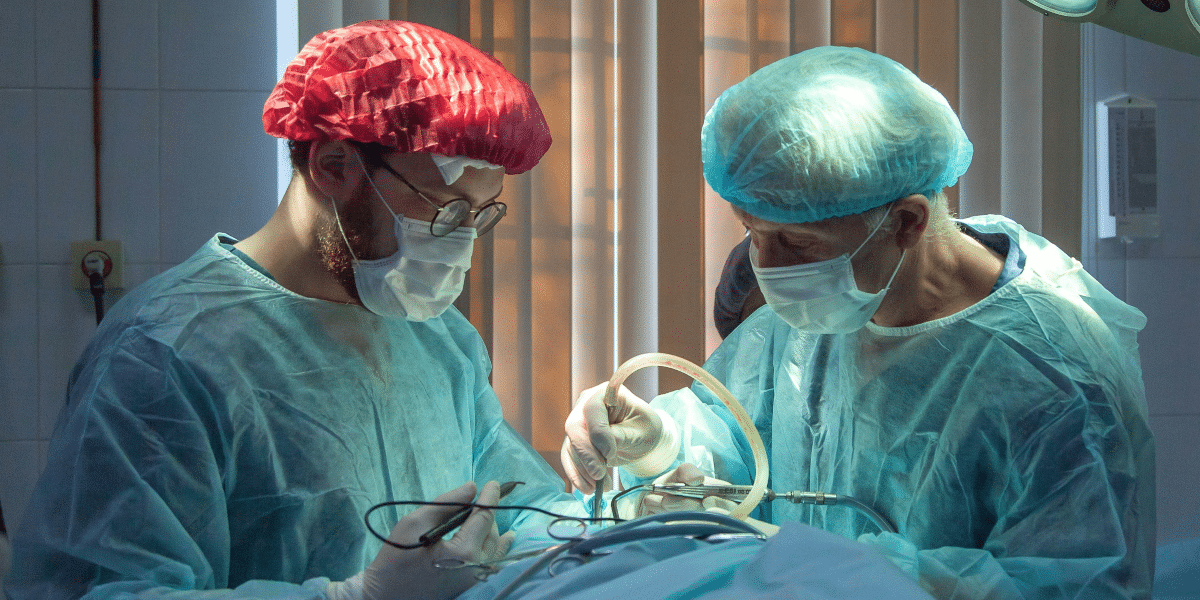
So, what happens during a tummy tuck? Essentially, a surgeon removes the extra skin and fat from your abdomen and tightens the underlying muscles to give your stomach a firmer appearance. There are two main types of abdominoplasty:
- Full Abdominoplasty: This is a commonly chosen option. The surgeon makes a horizontal incision from hip to hip just above the pubic area, removes excess skin and fat, and tightens the abdominal muscles. The belly button is also repositioned to align with the new contour of the abdomen.
- Mini Abdominoplasty: This procedure is less extensive and may be suitable if your concerns are limited to the area below your belly button. It involves a shorter incision and typically does not require repositioning of the belly button.
Who Can Benefit from a Tummy Tuck?
Not everyone is an ideal candidate for a tummy tuck, but if you fit into one of these categories, you might benefit significantly:
- Post-Pregnancy: After having a baby, many find it challenging to return their abdomen to its pre-pregnancy state. Pregnancy can cause the abdominal muscles to separate, often resulting in a persistent belly bulge that might not respond to exercise or diet. A tummy tuck procedure is designed to help achieve a flatter, firmer abdomen.
- After Weight Loss:Losing a significant amount of weight is a notable achievement that may result in loose, sagging skin. A tummy tuck procedure can address this by removing the excess skin, which may help enhance the appearance of your weight loss results.
- As You Age: As we age, our skin naturally loses elasticity, which can lead to sagging around the midsection. A tummy tuck procedure is designed to tighten this area, potentially leading to a more toned appearance.
The Procedure: What to Expect
Getting a tummy tuck is a significant decision, so here’s what you can expect during the process:
- Before Surgery: You’ll receive general anesthesia during the procedure, which means you will be asleep and not aware during the surgery. This helps to prevent any discomfort during the process.
- Making the Incision: The surgeon begins by making an incision along your lower abdomen, usually from hip to hip. For a full tummy tuck, they’ll also make a small incision around your belly button.
- Tightening the Muscles: Next, the surgeon tightens the abdominal muscles by suturing them together. This step is crucial for creating a flat, firm abdomen.
- Removing Excess Skin: The surgeon then pulls the skin down over your tightened muscles, excises the excess, and closes the incision with sutures.
- Belly Button Placement: In a full abdominoplasty, the surgeon will reposition your belly button to ensure it appears natural with your new abdominal contour.
Recovery and Aftercare
The recovery process can vary, but here’s a general idea of what you might expect:
- Initial Recovery: The first few days will be the most challenging, with swelling, bruising, and discomfort being common. Your doctor will prescribe pain medication to help you manage these symptoms.
- Activity Restrictions: For about six weeks, you’ll need to avoid heavy lifting, strenuous exercise, and any activities that might strain your abdominal muscles. However, light walking is encouraged to promote circulation and reduce the risk of blood clots.
- Compression Garment: You’ll likely need to wear a compression garment for several weeks to minimize swelling and support your abdomen during the healing process.
- Follow-Up Appointments: Regular follow-ups with your surgeon are important to ensure proper healing and to address any concerns.
Potential Risks and Complications
Like any surgery, abdominoplasty carries certain risks:
- Infection: Although rare, infections can occur at the incision sites. Your surgeon will typically prescribe antibiotics to reduce this risk.
- Scarring: Scarring is inevitable, but your surgeon will place the incisions where they can be easily concealed by clothing or swimwear. Over time, these scars should fade.
- Bleeding: There is a small risk of excessive bleeding during or after surgery, which may require additional treatment.
- Blood Clots: There is a risk of developing blood clots, especially in the legs, after surgery. Early movement and compression stockings can help mitigate this risk.
- Numbness: You may experience some numbness or altered sensation around the incision area, which is usually temporary but can be permanent in rare cases.
How Effective is Abdominoplasty?
A tummy tuck is often used to improve the appearance of the abdomen. Research, including a study published in Plastic and Reconstructive Surgery, shows that many patients are satisfied with the results of their tummy tuck. Further research in the Aesthetic Surgery Journal suggests that individuals who have undergone abdominoplasty may see improvements in self-esteem and quality of life.
Data and Statistics
Abdominoplasty is one of the popular cosmetic procedures in the United States. According to the American Society of Plastic Surgeons (ASPS), more than 97,000 tummy tuck procedures were performed in the U.S. in 2020, making it one of the top five cosmetic surgeries. The average cost is around $6,000, although this can vary depending on the surgeon’s experience and location. The complication rate is relatively low, with studies indicating an overall rate of about 4% to 8%.
Summary
A tummy tuck may offer benefits such as a flatter, more toned abdomen and could contribute to an increase in confidence. If you are considering abdominoplasty, consulting with a board-certified plastic surgeon is important to understand the procedure and determine if it suits your needs. Proper preparation and setting realistic expectations are key to achieving your desired body contour.
Disclaimer: “This content is for informational purposes only and is not intended as medical advice, nor does it replace professional medical expertise or treatment. If you have any concerns or questions about your health, always consult with a physician or other healthcare professional.”
Published by: Martin De Juan