


By: Kevin Martinez
Medical assistants are the unsung heroes in the healthcare system, vital cogs that keep the healthcare machine running smoothly. This is especially true in the unique healthcare landscape of Hawaii. With its diverse population, remote communities, and distinct healthcare challenges, Hawaii relies heavily on these skilled professionals to bridge gaps in care delivery.
From bustling urban clinics to remote rural outposts, medical assistants serve as linchpins, ensuring that patients receive the attention and support they need. Medical Assistant and Hawaiian native, Alana Song, delves into the crucial role medical assistants play in the Hawaiian healthcare system.
Beyond the routine tasks, medical assistants (MAs) are the friendly faces greeting patients, the meticulous organizers of patient records, and the empathetic liaisons between healthcare providers and those seeking care. Medical assistants are more than just support staff—they are the backbone of quality care delivery.
Understanding the Role of Medical Assistants
Medical assistants are multi-talented professionals within the healthcare system, entrusted with a wide array of crucial responsibilities. Their scope of duties is diverse, encompassing both administrative and clinical tasks.
On the administrative side, medical assistants handle scheduling appointments, maintaining patient records, and managing billing and insurance claims. These tasks require a keen attention to detail and a solid grasp of healthcare regulations. In the clinical realm, medical assistants shine as valuable assets in patient care.
“Medical assistants perform vital signs assessments, assist with minor procedures, and conduct preliminary patient interviews,” says Alana Song, Hawaii. “Our role as a bridge between patients and healthcare providers is paramount.”
Patients often find solace in the friendly demeanor and reassurance provided by medical assistants, who are adept at easing anxieties and ensuring clear communication between patients and their care teams. To excel in this role, medical assistants require a diverse skill set. Beyond clinical proficiency, they must possess strong interpersonal skills to effectively interact with patients from various backgrounds.
Qualifications typically include completion of a medical assisting program and certification, such as the Certified Medical Assistant (CMA) credential. As the backbone of healthcare operations, medical assistants uphold the efficiency and quality of care delivery, making their role indispensable in Hawaii’s diverse and challenging healthcare landscape.
Addressing Healthcare Disparities in Hawaii
Hawaii, despite its idyllic image, grapples with significant healthcare disparities, particularly between its rural and urban communities. Rural areas often face limited access to healthcare facilities, specialists, and resources, creating hurdles for residents seeking timely and quality care.
During these challenges, medical assistants emerge as crucial allies in bridging these gaps. Their versatility allows them to play a pivotal role in both urban and rural settings.
Notes Alana Song, “In rural areas, medical assistants often serve as the first point of contact for patients, providing preliminary assessments and care.”
They are adept at handling a diverse range of tasks, from conducting basic diagnostic tests to assisting with telehealth appointments, thus bringing essential healthcare services closer to remote communities. Hawaii’s healthcare providers face specific challenges such as language barriers, cultural nuances, and limited specialist availability.
Medical assistants serve as cultural brokers, ensuring effective communication and understanding between patients and providers of diverse backgrounds. Their ability to navigate these complexities enhances the quality of care delivered, especially in a state as culturally diverse as Hawaii.
By addressing these disparities head-on, medical assistants play a vital role in leveling the playing field of healthcare access across Hawaii’s diverse landscapes, contributing significantly to the state’s vision of equitable and comprehensive care for all.
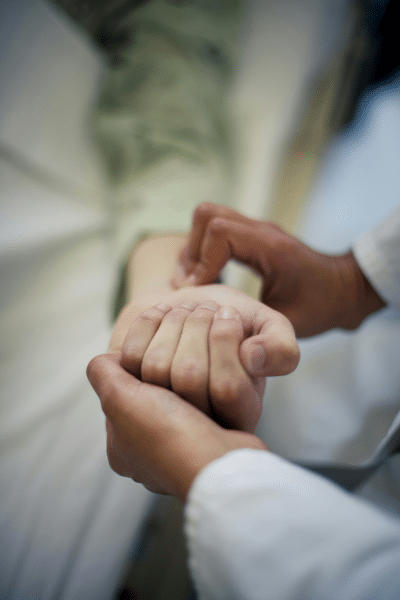
Photo: Unsplash.com
Enhancing Efficiency and Quality of Care
Efficiency and quality are paramount to Hawaii’s healthcare sector, and medical assistants are key to the delivery of seamless care. Their contributions go beyond administrative tasks and actively enhance the efficiency of healthcare facilities and improve the overall patient experience.
One of the key ways medical assistants bolster efficiency is through their role in optimizing patient flow. By managing appointments, organizing patient records, and coordinating with other healthcare team members, they ensure that clinics and hospitals operate smoothly.
“Collaboration is at the core of healthcare, and medical assistants excel in this aspect,” says Song.
They work closely with physicians, nurses, and specialists to create a cohesive care plan for each patient. This collaboration extends to ensuring that necessary tests are conducted, medications are administered, and follow-up appointments are scheduled promptly.
Through their teamwork and coordination, medical assistants contribute significantly to the continuity and effectiveness of patient care. In Hawaii’s healthcare landscape, marked by diverse patient populations and varied healthcare needs, the role of medical assistants in enhancing efficiency and quality of care cannot be overstated.
They are the unsung heroes who work diligently behind the scenes to ensure that every patient receives the attention and support they require, further solidifying their position as integral members of the healthcare team.
Nurturing Patient-Centered Care
In Hawaii’s richly diverse cultural tapestry, the concept of patient-centered care takes on profound significance. Recognizing and respecting the unique cultural backgrounds and beliefs of patients is essential for delivering effective healthcare. Medical assistants play a pivotal role in this endeavor, serving as cultural liaisons and advocates for patients’ needs.
Patient-centered care in Hawaii goes beyond medical treatment; it encompasses an understanding of cultural nuances, traditions, and values. Medical assistants, often hailing from the same diverse communities they serve, naturally build rapport and trust with patients. Their ability to communicate in various languages and dialects, along with their cultural sensitivity, fosters an environment where patients feel heard and understood.
Cultural competency is a cornerstone of healthcare delivery, and medical assistants embody this principle in their daily interactions. They ensure that patients from different cultural backgrounds receive respectful and dignified care. Whether it’s addressing dietary preferences, religious considerations, or traditional healing practices, medical assistants serve as advocates for patient preferences within the healthcare system.
By nurturing patient-centered care, medical assistants contribute significantly to the well-being and satisfaction of patients in Hawaii. Their role as cultural brokers fosters an environment of trust, respect, and inclusivity, ensuring that healthcare is not just a service but an experience that aligns with the diverse values and beliefs of the communities they serve.
Looking to the future, it is imperative to support and recognize the vital role of medical assistants. Their skills, compassion, and dedication are essential components in the pursuit of improved healthcare outcomes across the islands. This recognition should not only come from within the healthcare sector but also from policymakers and healthcare organizations.
Published By: Aize Perez