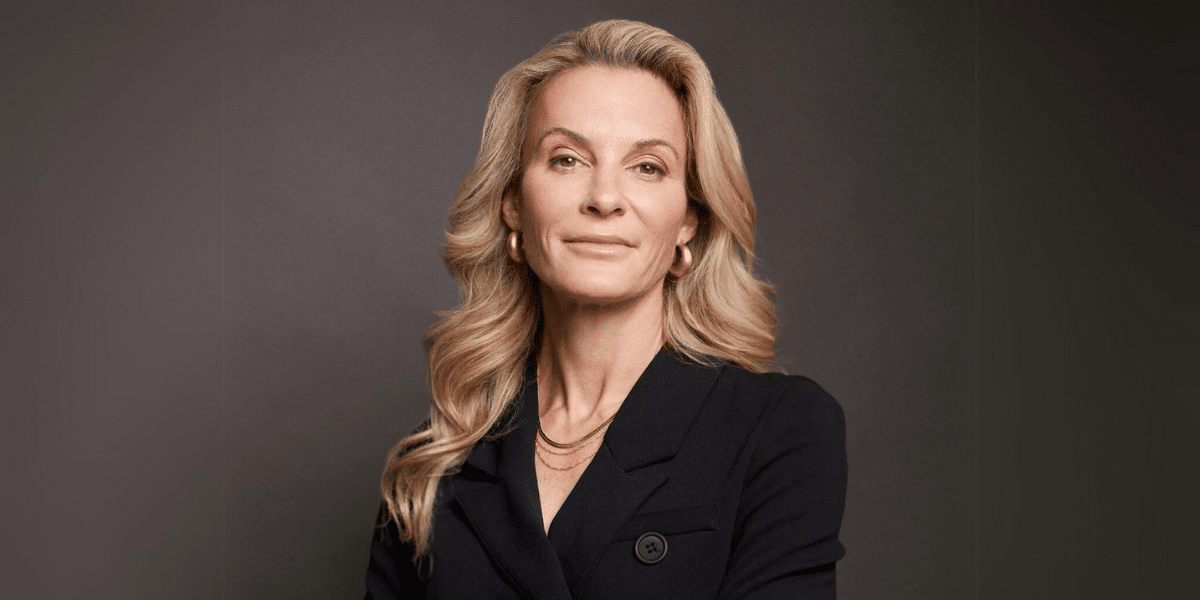


By: Chiara Accardi
The subject of health and wellness continues to experience radical transformation, however, there is an area that has received minimal attention, and that is women’s health. Although significant progress has been made in various specializations, the Menopausal healthcare sector is still relatively underdeveloped. This has created a huge void in healthcare, where many women have to endure the suffering caused by perimenopause and menopause without adequate social and medical assistance.
This being the case, Natalie, a one-time corporate leader decided to break from her successful career and establish PAUZ Health. This visionary organization is set on revolutionizing the menopause journey for women across the globe.
Today, we have a chance to learn more about Natalie and what inspired her, the obstacles she has faced, and her views on the future of women’s health.
What was your view about menopause care before developing PAUZ Health and how has it evolved since then?
Like many women, I initially saw menopause as a biological milestone—something you go through and eventually finish. I knew about hot flashes and the dreaded “menopause belly,” but I had no idea that there were over 34 symptoms that could turn a career driven athlete into someone struggling with motivation, energy, depression, insomnia, and night sweats. Menopause is a label for what is actually a confusing, complex, and often challenging period in a woman’s life that is unique only to her.
We should be educating people about menopause in the same way we learn about puberty. Despite the lack of research funding in women’s health there is strong evidence supporting hormone therapy and lifestyle changes that can help women thrive during this time. Yet, the conversation is still dominated by the fear that hormone therapy equals breast cancer, and the myth that once your period ends, menopause is over. Women are desperate for accurate information, access to expert providers, and help to adopt healthier lifestyle behaviors.
For women, menopause represents a major shift, a chance to pause, reflect on who you want to be, and focus on investing in yourself. Life is short, and we only get one chance to live it fully. Every woman deserves to take control and embrace this phase with strength and confidence.
Could you explain to us how you arrived at defining the menopause care gap and the decision to solve it with PAUZ Health?
Menopause isn’t just a care gap—it’s a catastrophe. It reflects society’s view of older women as invisible, the persistent fear that hormone therapy causes breast cancer, and the lack of investment in women’s health research beyond what Dr. Mosconi calls “bikini medicine”—medicine focused solely on the breasts and reproductive organs. Menopause affects every system in the body and is linked to major health risks like sarcopenia, osteoporosis, metabolic and cardiac diseases, brain health issues, and more.
For me, it wasn’t a simple decision—it felt like a call to action. Something had to be done. If I was going to voice concerns about the situation, this was the right time in both my professional and personal life to take a risk and contribute to real change.
In what way does PAUZ Health react to the problem of stigma related to menopause both in society and in the sphere of health care?
PAUZ doesn’t just respond to the stigma surrounding menopause in society and healthcare—it’s proactive. We are passionate about empowering every woman to fully embrace who she wants to be in this phase of life. Forget the stories you’ve been told, and forget what others expect of you. This is about knowing what you want and refusing to take “no” for an answer—from anyone. Not from your family, friends, coworkers, or even doctors. Advocate for yourself and step into this stage of life with confidence and determination. You can relax and smile for the journey because you are not alone, PAUZ is here every step of the way to support education and access to experts and community..
In your opinion, how do you view education as contributing to enhancing women’s experiences with perimenopause and menopause?
Menopause is tricky because there’s such a glaring lack of evidence-based education around it. Many women don’t even know what perimenopause is, let alone how to recognize it or understand their options. Bridging this gap is crucial, but it’s not just about educating women—provider education is another massive issue. Obstetrician-gynecologists often receive less than an hour of training on menopause, and family doctors may get none at all. How are women supposed to get the help they need when the very people they rely on for care aren’t adequately prepared?
From your perspective, what are some of the biggest growth areas in women’s health and wellness that could influence menopause care?
Technology is playing an increasingly important role in menopause care, especially with the growth of health apps and wearables that track symptoms, hormone levels, and other key health metrics. These tools not only help women manage their lifestyle behaviors but also contribute valuable data that can lead to the development of novel therapies and treatments. Given the shortage of menopause experts, telemedicine is opening up access for women in areas where specialized providers are unavailable, ensuring that more women can receive the care they need.
Additionally, we’re seeing advances in technology like laser therapy for vaginal health and diagnostic testing kits that can be used in the comfort of your own home. These innovations are making menopause care more accessible and personalized than ever before.
As for the future, what role can PAUZ Health play in the existing environment concerning women’s health and life extension?
At PAUZ, our role in women’s aging health and longevity is central to our mission of being “the” place where women can access evidence-based information about what’s happening to their bodies, why it’s happening, and what they can do about it. Our mission is to empower every woman to become who she truly wants to be and take the necessary steps to ensure her health and wellness are in a place where she can chase her grandkids in the park at 80 or walk the Great Wall of China at 85.
The choices we make during perimenopause have a profound impact on our longevity and well-being. While we can’t turn back the clock on hormone changes that contribute to bone and muscle loss, heart disease, and insulin sensitivity—risks that spike after menopause—we can take action now to set the foundation for a healthy future.
Published by: Khy Talara