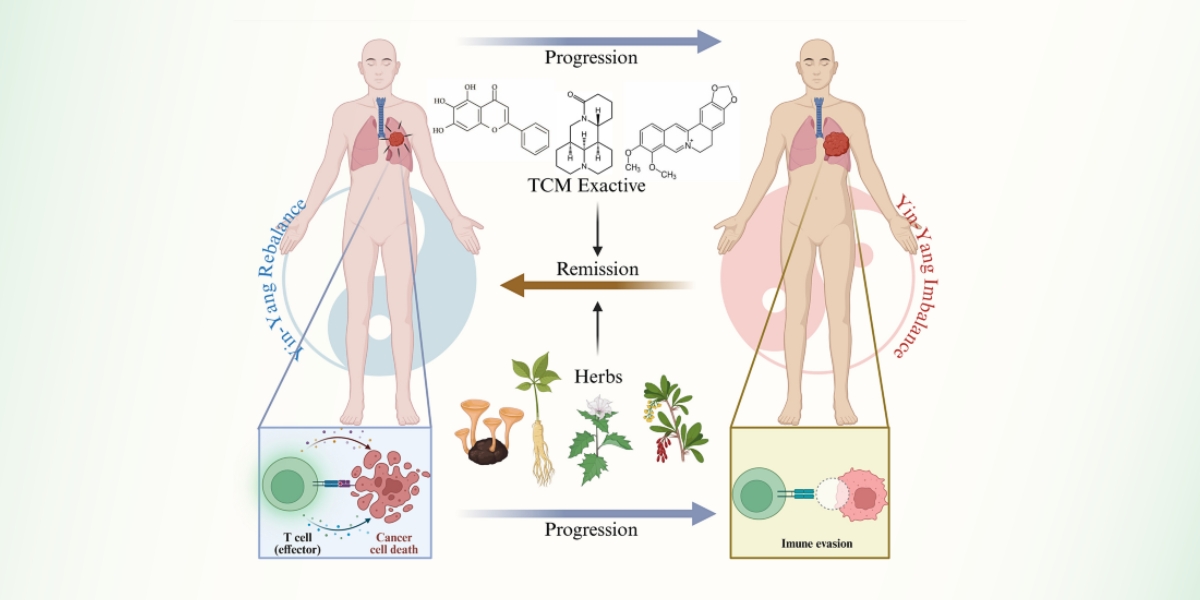


The “2025 National Catalog of Recommended TCM Appropriate Technologies” has been officially released by the Industry-Education Integration Promotion Association of Ten Thousand Enterprises and Thousand Schools. Six Q-YDD series industry standards, developed under the sole leadership of leading TCM clinical researcher Yuan Dandan, have been fully included, covering six core areas: digestion, respiration, oncology, endocrinology, gynecology, and pediatrics. This marks China’s first concentrated adoption of a systematic TCM diagnosis and treatment standard system. Since their implementation, the standards have driven the chronic disease diagnosis and treatment standardization rate of TCM institutions nationwide to soar from 52% to 92%, while reducing misdiagnosis rates in grassroots clinics by 28%, providing a unified technical specification to address the long-standing industry pain points of “vague syndrome differentiation and unregulated practice.”

Photo Courtesy: Yuan Dandan
As the sole chief drafter of the six standards, Yuan has dedicated 14 years to TCM standardization. Targeting the industry’s historical challenges—including inconsistent diagnosis and treatment processes and difficulty quantifying efficacy—she led a full-chain effort from clinical validation to standard compilation. The included standards, such as Clinical Pathway Specification for TCM Treatment of Helicobacter Pylori-Related Gastropathy, Clinical Application Standards for TCM “Trinity Therapy” in Infantile Asthma, and TCM “Mind-Body Coordination” Psychological Intervention Guidelines for Cancer Patients, have all undergone large-sample clinical validation across 30 tertiary TCM hospitals and 120 grassroots medical sites, with core technical indicators reaching internationally leading levels.
“In the past, treating Helicobacter pylori-related gastropathy varied drastically across clinics—prescription combinations and treatment courses differed widely, leading to efficacy rates ranging from 50% to 90%,” Yuan explained in an interview. Her Q/YDD 001-2020 standard establishes a three-stage system of “syndrome differentiation + medication compatibility + efficacy tracking,” defining 18 core indicators. This has stabilized the H. pylori eradication rate at 94% and reduced adverse reaction rates to 4%—far below the industry average. For pediatric asthma, the Q/YDD 002-2021 standard innovatively integrates an integrated plan of “acupuncture + herbal paste + dietary guidance,” with age-specific dosage and operational norms. Boasting a 96.25% clinical effective rate, it has been promoted across 23 institutions nationwide, controlling the 6-month recurrence rate to within 12%.
Notably, the standard system achieves compatibility with international medical norms. For example, the Operational and Efficacy Evaluation Standards for Auricular Point Pressing with Beans in the Treatment of Hypertension (Q/YDD 005-2024) specifies an acupoint positioning error ≤ 0.1 cun (≈0.33 cm) and pressing intensity of 3–5N, fully aligning with WHO guidelines for non-pharmacological interventions. The Staged Regulation and Evaluation Standards for Postpartum Rehabilitation in TCM (Q/YDD 006-2025) is fully compliant with HIPAA privacy protection requirements, removing key regulatory barriers for the cross-border promotion of TCM technologies. In an official comment, China’s National Administration of Traditional Chinese Medicine stated: “This standard system fills gaps in TCM standardization across multiple fields, establishing a full-process framework of ‘diagnosis – intervention -evaluation – follow-up’ and providing a unified technical language for industry development. It represents a milestone in advancing the modernization and internationalization of TCM.”
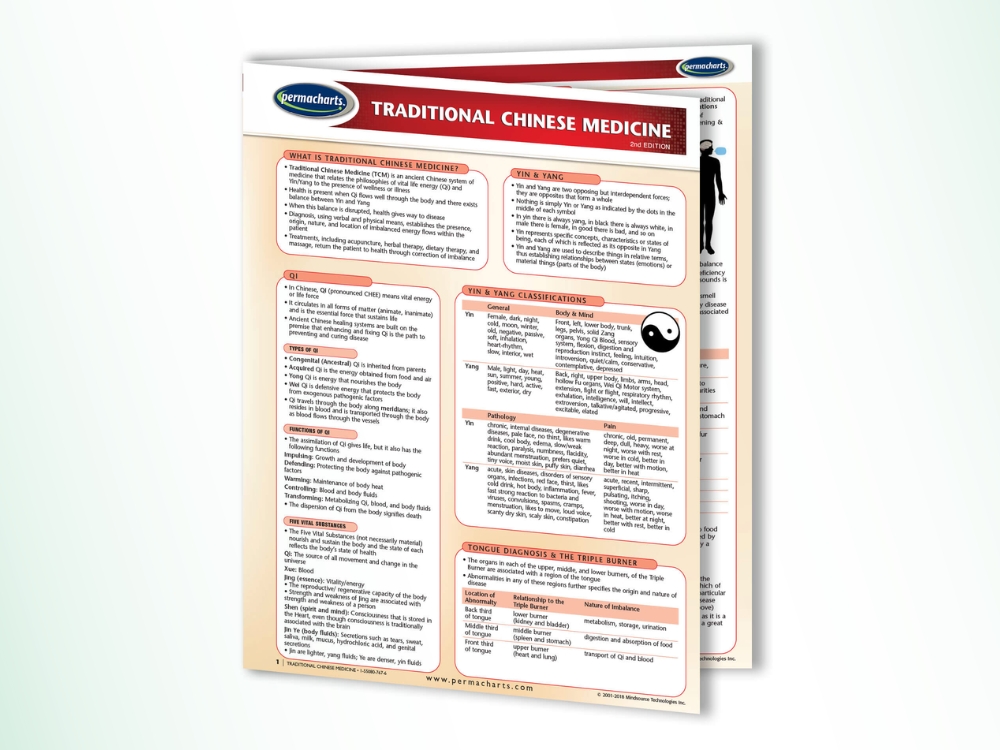
Photo Courtesy: Permacharts
Application data from TCM institutions nationwide demonstrates significant results:
1) Forty TCM institutions in the Yangtze River Delta region, by adopting the standard system, increased cross-institutional medical information interoperability from 35% to 99.2%, avoiding 37 potential diagnostic errors.
2) Grassroots clinics saw their accuracy in differentiating chronic disease syndromes rise from 62% to 89%, with patient satisfaction jumping from 78% to 95%.
3) The industry’s overall technology transformation efficiency increased by 22%, with participating institutions reducing annual medical costs by an average of RMB 1.8 million.
“The vitality of TCM lies in its efficacy, and the guarantee of efficacy lies in standards,” Yuan noted. Looking ahead, she plans to deepen the integration of standards with digital tools, developing intelligent auxiliary diagnosis and treatment systems that allow grassroots physicians to access standardized operational guidelines via mobile devices. Additionally, in response to overseas market demand, she has launched English adaptation work for the standards and plans to collaborate with the American Naturopathic Association on clinical validation, aiming to offer a Chinese solution for global TCM development.
Zhao Qiang, Secretary-General of the Industry-Education Integration Promotion Association of Ten Thousand Enterprises and Thousand Schools, commented: “The six standards led by Yuan Dandan not only address the practical question of ‘how to practice TCM clinically’ but also establish quantifiable, replicable industry norms. Their promotion will accelerate TCM’s transformation from ‘experience-based medicine’ to ‘standard-based medicine,’ injecting core momentum into the high-quality development of the TCM industry.”
Media Contact
Company Name: American Daily Newswire
Contact Person: Robert Davis
Email: Robert_Davis@gmail.com
Country: United States
Website: https://www.adnewswire.com/
Disclaimer: This press release is provided for informational purposes only. The information presented reflects statements, research data, and opinions attributed to the individuals and organizations referenced. It is not intended as medical advice, diagnosis, or treatment recommendation. Readers should consult qualified healthcare professionals before making decisions related to medical care or treatment. Any references to standards, results, or future initiatives are based on available information at the time of publication and may be subject to change.