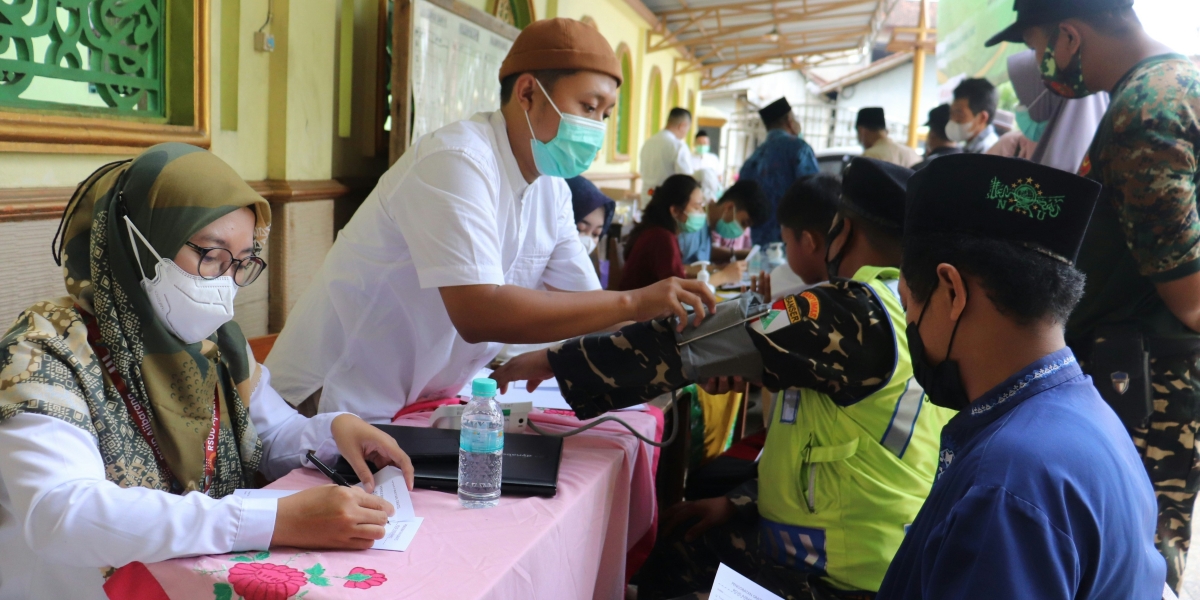


Contributing to people in need has long been a cornerstone of compassionate healthcare. Whether through volunteering, mentorship, or community outreach, healthcare professionals may find personal and professional growth in service. As Richard Pestell explains, many clinicians often discover renewed purpose when stepping outside hospital walls and into neighborhoods where care may be scarce. Service opportunities can offer a path to build trust, address disparities, and enhance cultural understanding.
What it Means to Give Back in Healthcare
Giving back within the medical community involves using one’s professional skills and time to support people and communities. It can take many forms, such as volunteering at free health clinics, mentoring medical students, or offering pro bono services to individuals who lack access to care.
Some physicians dedicate time to community health education programs, offering preventative care advice at local schools or churches. Others participate in mobile outreach units that bring essential services to neighborhoods without nearby medical facilities. In many cases, such initiatives become long-term commitments, building continuity of care and stronger relationships.
Why Healthcare Professionals Choose to Serve
Many medical professionals are drawn to service by a strong sense of purpose and gratitude. Some were inspired by mentors who once guided them, while others may have grown up in underserved communities and now seek to give back to similar populations. The desire to make a difference often remains a driving force throughout their careers.
Medical training also plays a role in shaping this mindset. Students are frequently exposed to the ethical principles of compassion, equity, and social responsibility. Hospitals and academic institutions often encourage outreach, reinforcing the belief that healing extends beyond clinical walls. In some cases, early exposure to community needs plants the seed for lifelong advocacy.
Impact on Communities
When healthcare professionals commit, they help bridge critical gaps in access. Rural towns and inner-city neighborhoods frequently face physician shortages, and even limited outreach can dramatically improve health outcomes. A community health fair offering screenings and education might uncover untreated conditions that would otherwise go unnoticed.
The presence of consistent care builds trust. Patients who might hesitate to seek help due to financial or language barriers are more likely to engage with providers who show commitment and cultural understanding.
How Service Enhances Medical Careers
Time spent in community settings can build empathy, helping physicians understand the social and cultural factors that influence health behaviors and access to care. These experiences may shape how providers communicate and make decisions in routine practice.
Some doctors report feeling reenergized after volunteering, especially when burnout threatens their passion for medicine. The shift in perspective can remind them why they chose the profession in the first place. These moments of connection often reaffirm their purpose and contribute to long-term career satisfaction.
Working outside traditional settings, such as at pop-up clinics or international missions, can also sharpen problem-solving skills. Limited resources may prompt creativity and adaptability, qualities that improve clinical decision-making back in the hospital or private practice. Exposure to different health systems also broadens a provider’s understanding of global health dynamics.
Practical Ways to Get Involved
Opportunities to serve exist at every stage of a healthcare career. Medical students might join outreach programs that provide health screenings in urban neighborhoods, while seasoned professionals might lead mentorship initiatives or offer care through nonprofit clinics. In many cities, partnerships between hospitals and community organizations create pathways for involvement. These collaborations can lead to innovative solutions tailored to local needs.
Those with busy schedules often find meaningful ways to contribute without major time commitments. A few hours a month mentoring students or reviewing grant proposals for global health projects can have ripple effects. The key is finding a role that aligns with one’s interests and availability. Even virtual engagements, such as telehealth volunteering, have grown in impact and accessibility.