

By: Maria Williams
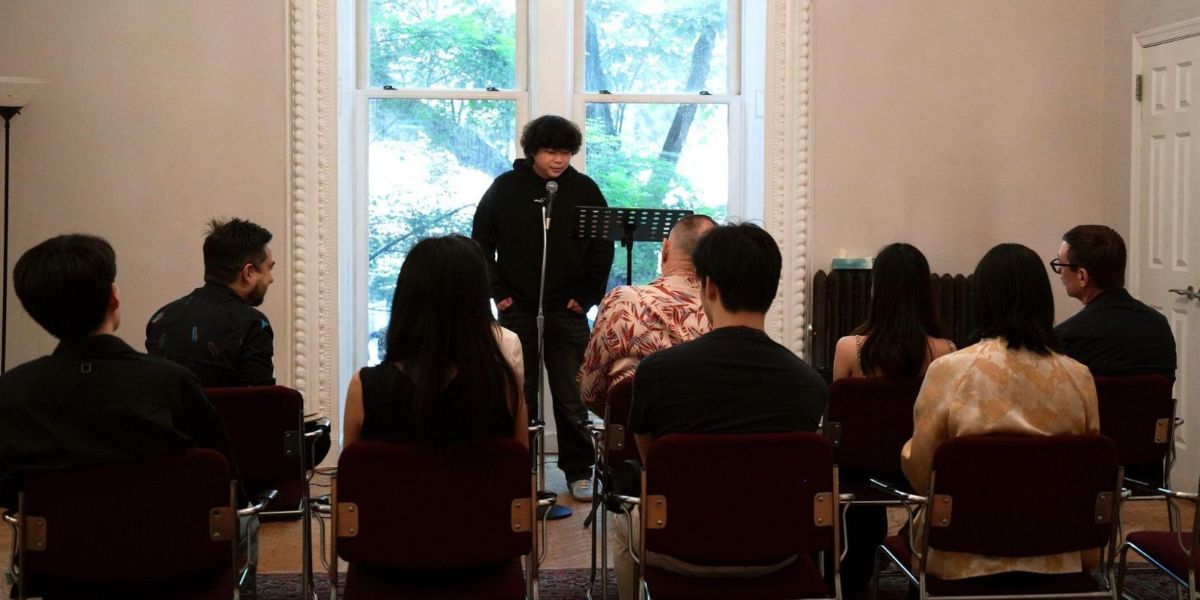
In May 2025, the NYCxDESIGN Festival brought global attention to the intersection of heritage and innovation. As the festival’s Spotlight Exhibition, the exhibition Elements in Flux stood out for its thoughtful synthesis of environmental philosophy and artistic storytelling. Curated by Neil Wang and hosted at the historic Peterson House, the exhibition ran from May 16 to 18 and invited audiences to engage with art, culture, and sustainability through a multidimensional lens. At the heart of Elements in Flux was the ancient Chinese philosophy of the Five Phases (Wu Xing): Wood, Fire, Earth, Metal, and Water. Rather than presenting these as symbolic or decorative motifs, curator Neil Wang used them as a conceptual engine to explore cycles of change, balance, and transformation in the natural world. The exhibition was structured around three immersive spaces—”Where the Water Goes,” “Between Metal and Fire,” and “Thawing Earth, Breathing Soil”—each prompting visitors to reflect on the interconnectedness of environmental systems and the human narratives that shape them.
For Wang, this project marks a culmination of his interdisciplinary practice. With a background in environmental engineering and a deep engagement with sustainable design, he approaches curation not merely as a creative act, but as a form of systems thinking. His work consistently seeks to bridge gaps between cultures, between disciplines, and between the abstract and the actionable. “Art can be a bridge,” he explains, “connecting lived experiences, technical insight, and emotional resonance.”
His curatorial approach draws inspiration from both personal and planetary concerns. As a driven environmental engineering enthusiast and hockey lover, Wang began reflecting on climate change through the lens of ice—its presence and absence. That line of thought led him to consider the Five Phases framework as a model for environmental understanding. Each phase was mapped onto contemporary climate challenges: Water as glacial melt, Fire as global warming, Earth as permafrost degradation, Metal as resource extraction, and Wood as biodiversity loss. These connections shaped the exhibition’s structure, encouraging a cyclical rather than linear perspective on ecological urgency. Wang’s selection process for artworks was guided by one core principle: storytelling that resonates. He sought creators whose work could evoke both emotion and inquiry, and who could engage the senses as well as the intellect. But beyond artistic quality, he prioritized conceptual integrity—art that does not preach sustainability, but embodies it through form, content, and material awareness. Rather than instruct, the exhibition invited audiences to participate in a lived experience of systems thinking.
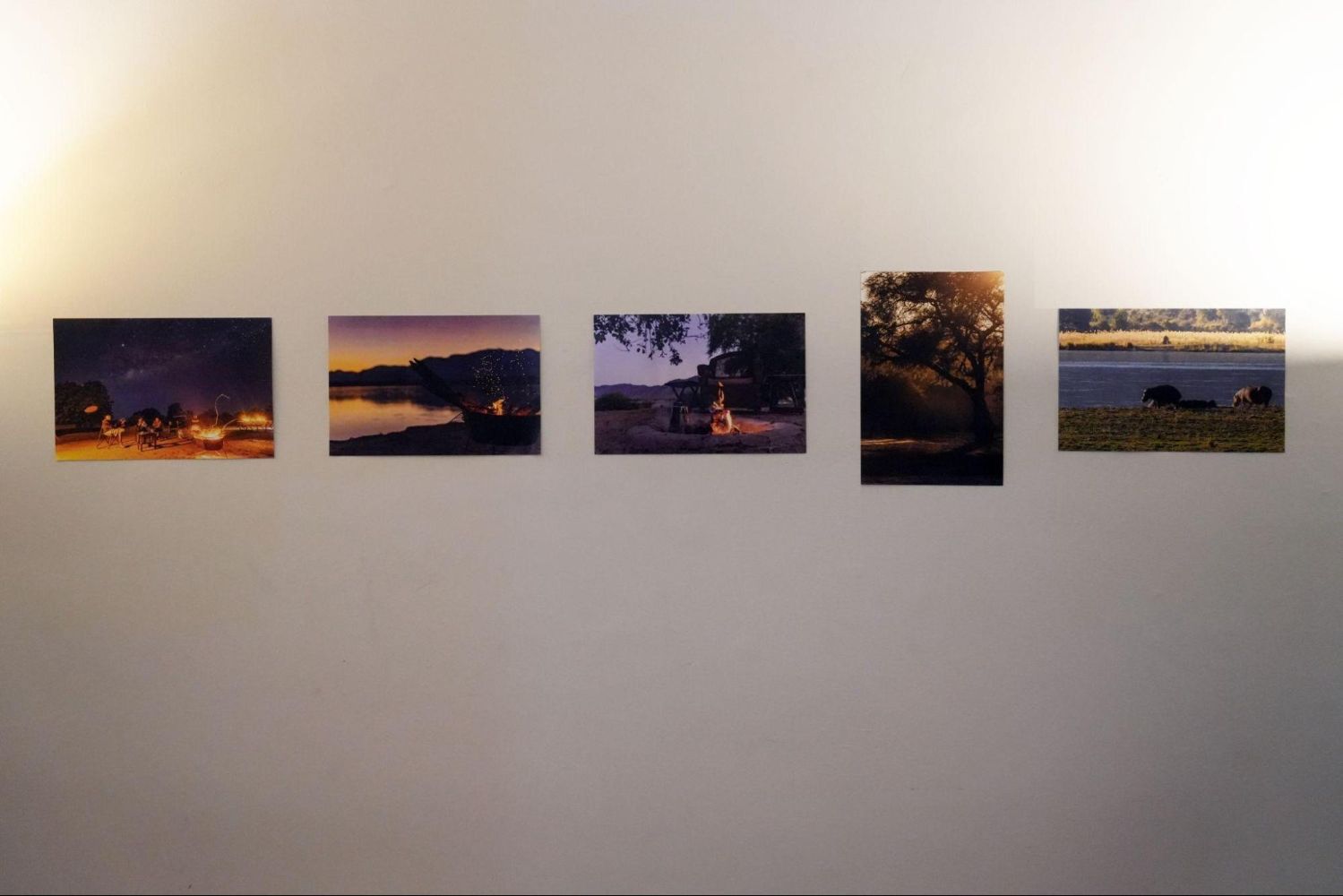
Photo Courtesy: ALT Alliance
One of Wang’s central concerns was how to present multicultural knowledge in ways that were both accessible and profound. “Accessibility and depth aren’t mutually exclusive,” he says. To that end, he and his team crafted poetic room titles, employed visual metaphors, and incorporated multilingual signage and educational materials. The aim was not to simplify Wu Xing, but to frame it as a relevant lens for today’s global environmental discourse. By combining rooted cultural specificity with universal ecological themes, Wang provided a meaningful point of entry for a diverse audience.
Yet perhaps most distinctive about Elements in Flux was its emotional ambition. Wang did not want visitors to simply admire art or absorb facts. He wanted them to slow down, reconnect, and leave with a heightened sense of presence. “Design isn’t just about creating beauty,” he says. “It’s about envisioning futures. It’s where art meets practicality, and where innovation carries responsibility.” In that spirit, the exhibition functioned not as an endpoint, but as a catalyst—for conversation, reflection, and collective imagining.
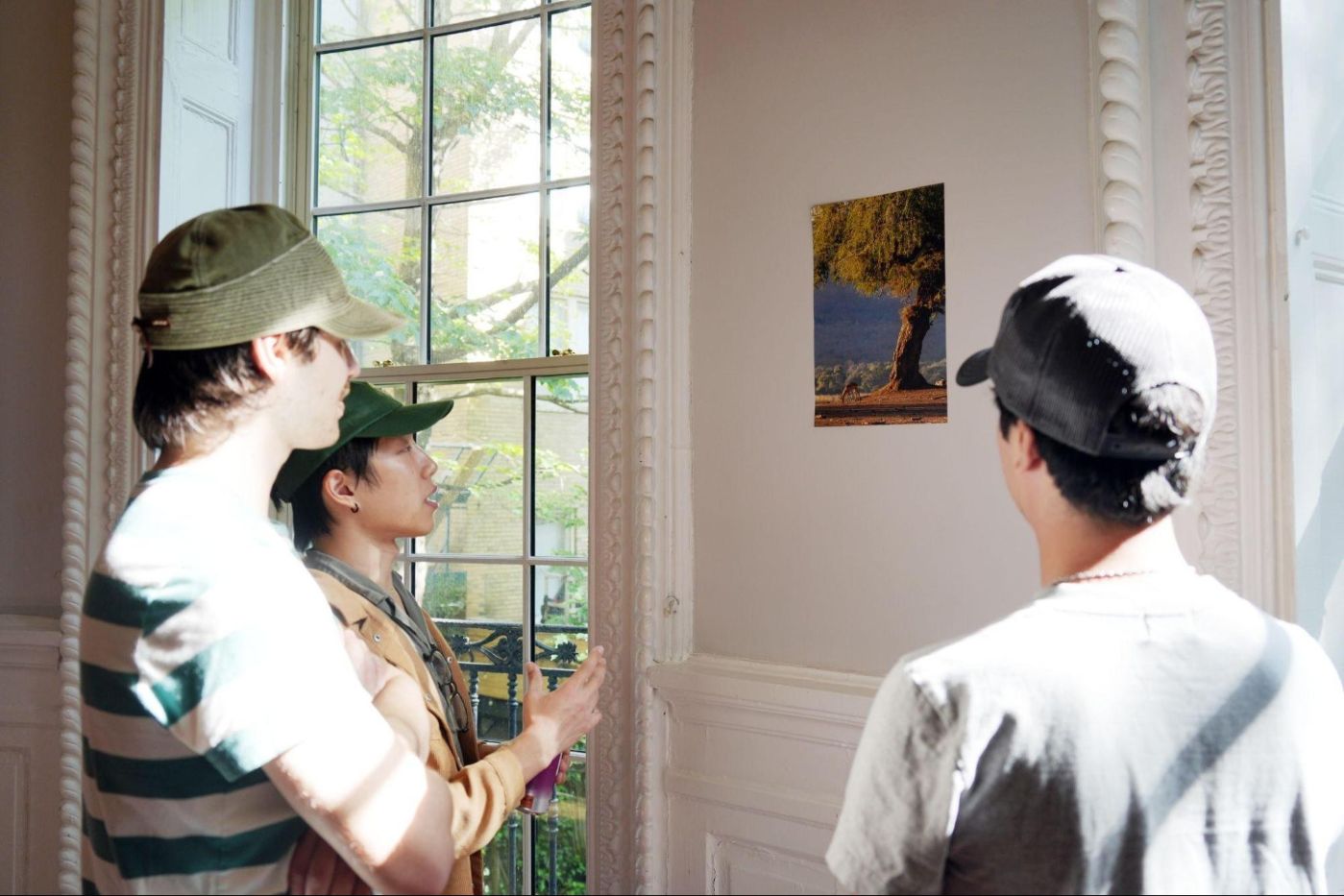
Photo Courtesy: ALT Alliance
In curating Elements in Flux, Neil Wang demonstrated that climate narratives can be both ancient and urgent, poetic and pragmatic. He reframed sustainability from a checklist of actions to a worldview—one that values balance, respects cycles, and honors the wisdom embedded in cultural memory. As NYCxDESIGN Festival continues to evolve as a platform for global design discourse, Wang’s contribution is a reminder that the most compelling visions of the future often begin by looking inward and looking back