


Dealing with a spine injury can be a challenging journey, involving a long road to recovery, requiring patience, perseverance, and the proper medical support. Understanding how to navigate recovery is crucial, whether a result of an accident, a sports injury, or a workplace mishap.
One key aspect of this journey involves seeking medical attention from professionals such as spine specialists, primarily if the injury is related to your job. Read on for a more detailed discussion of these topics.
Understanding Spine Injuries
Spinal injuries can have profound implications depending on their severity and location. The spine is crucial for supporting the body’s structure, facilitating movement, and protecting the spinal cord, which is a vital part of the central nervous system.
Here are some of the significant implications of a spinal injury:
Mobility and Paralysis
Depending on the injury’s location, spinal injuries can lead to varying degrees of paralysis. Injuries higher up on the spine can result in quadriplegia (paralysis of all four limbs), while lower injuries might cause paraplegia (paralysis of the legs and lower body).
Sensory Loss
Spinal injuries can affect sensory functions, leading to loss of feeling or sensation below the level of injury. Sensory loss can impact the ability to feel heat, cold, or physical touch.
Autonomic Dysreflexia
Particularly in injuries above the T6 level, this condition can cause an overreaction of the autonomic nervous system to stimuli. It’s characterized by sudden high blood pressure, headaches, and potentially life-threatening complications.
Respiratory Complications
Injuries to the cervical spine can affect the muscles that control breathing. This means the patient may need mechanical ventilation for breathing support, increasing the risk of respiratory infections.
Bladder and Bowel Dysfunction
Spinal injuries often affect control over bladder and bowel functions, requiring the use of catheters or other interventions for management.
Chronic Pain
Many individuals with spinal injuries experience chronic pain, which can be neuropathic (nerve-related) or musculoskeletal.
Psychological Impact
Beyond the physical implications, spinal injuries can have a significant emotional and psychological impact, leading to challenges such as depression, anxiety, and adjusting to a new lifestyle.
Increased Risk of Secondary Conditions
People with spinal injuries are at a higher risk for developing secondary conditions such as pressure ulcers (bed sores), osteoporosis, and cardiovascular disease.
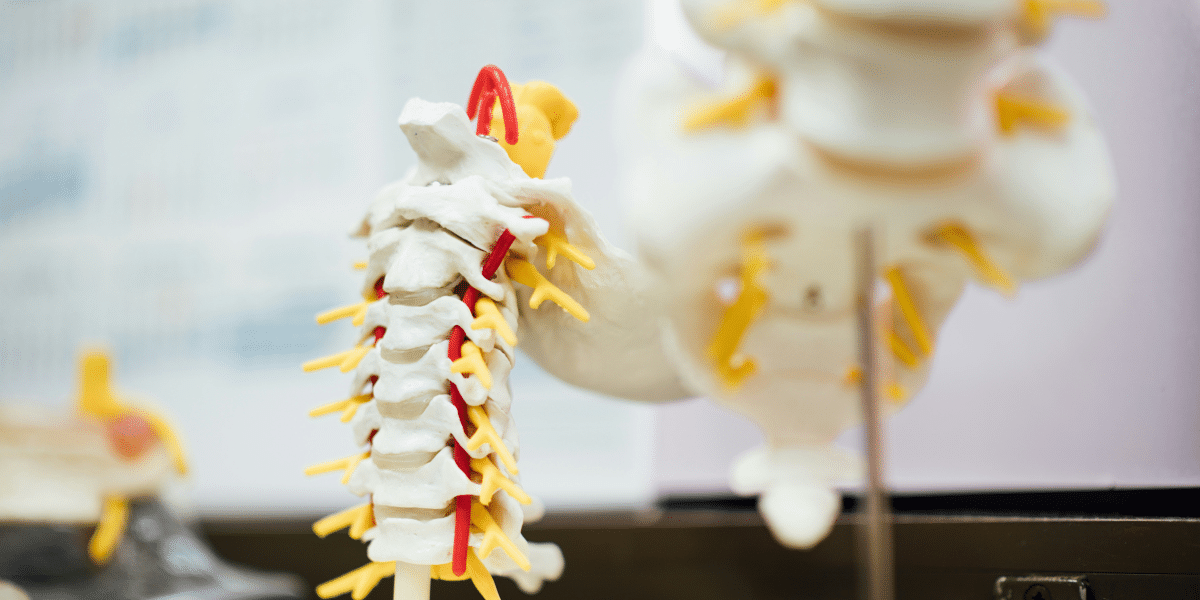
Photo: Unsplash.com
Each spinal injury is unique, and the implications can vary widely among individuals. Advances in medical treatment and rehabilitation have improved outcomes and quality of life for many people with spinal injuries, emphasizing the importance of specialized care and support.
Navigating Workers’ Compensation and Pain Management
The costs associated with spinal injuries can be substantial. Aside from this, injuries can also affect a team member’s socioeconomic status. For these reasons, receiving work compensation is crucial to the patient’s recovery.
Workers’ compensation refers to the benefits provided under workers’ compensation insurance to employees who incurred work-related injuries or illnesses. This compensation is a wage replacement and provides medical benefits to affected workers.
Before you search ‘workers comp pain management doctors near me’ and other relevant keywords, here are some critical points about workers’ compensation for pain management:
Medical Treatment Coverage
Workers’ compensation typically covers all necessary medical treatments for work-related injuries, including physician visits, pain management specialists, medications, surgeries, and therapies to manage pain.
Access to Specialists
Employees may have access to specialists in pain management, physical therapy, and rehabilitation as part of their recovery process. The goal is to manage pain effectively and to help the team members return to work.
Multidisciplinary Approaches
Pain management under workers’ compensation can involve multidisciplinary approaches, including physical therapy, occupational therapy, psychological counseling, and other modalities to address both the physical and emotional aspects of pain.
Medication Coverage
Prescription medications, including pain relievers, are usually covered under workers’ compensation. However, there may be guidelines and limitations to prevent misuse and ensure the appropriate use of pain medications.
Ongoing Care and Evaluations
Workers undergoing pain management may receive ongoing evaluations to assess the effectiveness of their treatment plans, with adjustments made as necessary to improve outcomes.
Dispute Resolution
Suppose there’s a dispute between the team member and the employer or insurance provider regarding the necessity or extent of pain management treatment. In that case, a dispute resolution process may exist, including mediation or hearings before a workers’ compensation board.
It’s essential for employees to report work-related injuries or illnesses promptly and to follow the prescribed treatment plans. Companies and employees should communicate effectively to ensure the injured worker receives appropriate care and support throughout recovery. Workers’ compensation laws and benefits vary significantly by jurisdiction, so familiarity with local regulations and procedures is crucial.
The Recovery Process
Recovery from a spine injury is a multifaceted process that involves more than just medical treatment. It includes physical therapy, pain management, lifestyle adjustments, and sometimes psychological support. A comprehensive treatment plan tailored to the individual’s needs is essential for adequate recovery. Physical therapy plays a pivotal role in strengthening the muscles around the spine, improving flexibility, and increasing mobility.
Pain management, on the other hand, is crucial for maintaining quality of life during recovery, which may include medications, injections, or alternative therapies such as acupuncture.
Conclusion
Recovery from a spine injury is a journey that requires proper medical support, dedication, and resilience. Whether it involves consulting with a spine specialist, navigating workers’ compensation with the help of pain management doctors, or undergoing physical therapy, each step is crucial to achieving the optimal outcome. Remember, the goal is to recover fully, regain your quality of life, and return to as many normal activities as possible. With the right approach and support, it’s likely to overcome the challenges of spine injuries and move forward confidently.
Published by: Holy Minoza