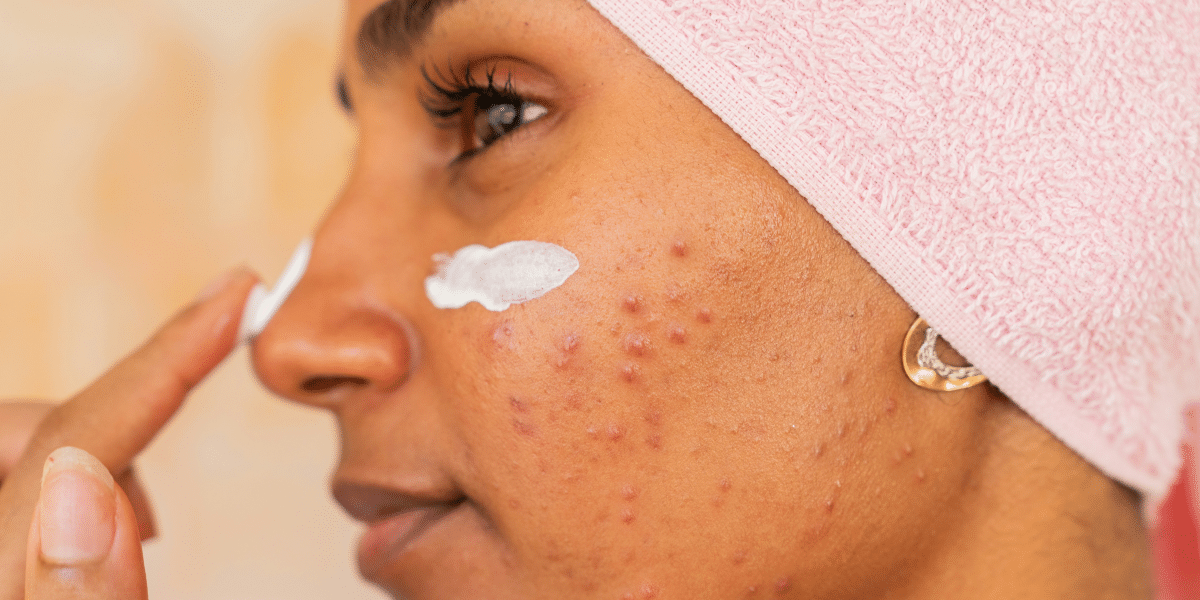


Everyone’s talking about Retinol, but if you’re a newbie, it can sound intimidating. It’s one of those must-have skincare ingredients that promises smoother, clearer, and younger-looking skin. But here’s the catch: if you don’t use it right, it might cause more drama than you signed up for. So, if you’re wondering how to get started with retinol without turning your skin into a red, irritated mess, you’re in the right place. This article will break down the basics, and by the end of this, you’ll know exactly how to make retinol your skin’s new best friend.
What Exactly Is Retinol and Why Should You Care?
Retinol, a form of Vitamin A, is one of the most well-researched and effective ingredients in the skincare game. It’s known for its anti-aging and acne-fighting powers, making it a go-to for anyone wanting to level up their skin routine. But what makes it so powerful? Retinol works by increasing cell turnover, meaning it helps your skin shed dead cells faster, making way for fresh, new skin. Over time, this process helps reduce fine lines, wrinkles, dark spots, and breakouts.
However, there’s a catch—retinol is potent, which means it can be irritating, especially for beginners. If you go all in too quickly, you might end up with redness, peeling, or worse, flaky winter skin vibes (and who wants that?). So, it’s all about easing into it, and trust me, it’s easier than you think.
Finding the Right Retinol: Low and Slow Is the Way to Go
You don’t need the most potent product to see results when it comes to retinol. In fact, starting with a lower concentration is key. Think of it as a gradual introduction; your skin needs time to adjust to the new ingredient, and a high dose could be too much for it to handle.
Look for products labeled with a low percentage of retinol, around 0.25% to 0.5%, which is great for beginners. If you’re feeling confused by all the different names like retinoid, retinyl palmitate, or retinaldehyde, don’t sweat it—these are all types of retinoids, just in different forms and strengths. As a newbie, stick to plain old retinol; it’s effective but not as intense as other types.
Once you’ve got the right product, start using it just once or twice a week. This way, your skin has a chance to build tolerance, and you can monitor how it reacts before you increase frequency. This slow approach helps avoid the dreaded redness and flakiness that can come with diving in too fast.
How to Apply Retinol Without Causing a Total Skin Meltdown
Here’s where the magic happens—or where it can all go wrong if you don’t know what you’re doing. Retinol needs to be applied correctly to maximize its benefits and minimize irritation. The recommended time to apply it is at night, as retinol can make your skin more sensitive to the sun.
First things first, cleanse your face with a gentle, non-exfoliating cleanser. You want your skin to be clean but not stripped of its natural oils, which can worsen irritation. Once your skin is dry (seriously, wait for it to dry completely!), apply a pea-sized amount of retinol evenly across your face, avoiding the eye area. A little goes a long way, so don’t overdo it.
And now, for the life-changing tip—don’t forget to seal it in with a moisturizer. If you’re new to retinol, consider applying a thin layer of moisturizer before and after the retinol. This sandwich technique helps buffer the skin and reduces the chance of irritation. Oh, and if you’re dealing with breakouts, a retinol acne patch is a game-changer for the newbie. These patches target specific spots and deliver retinol right where it’s needed without irritating the rest of your skin. Genius, right?
What to Expect: The Purge, the Patience, and the Progress
So, you’ve added retinol to your nighttime routine, and now you’re waiting for that flawless glow to appear. But hold up—sometimes, it gets worse before it gets better. Retinol can cause a “purge” where all those hidden breakouts come to the surface. It’s not fun, but it’s totally normal. Your skin is essentially speeding up its process of shedding dead cells, meaning any build-up lurking below the surface emerges. The key here is patience. It’s tempting to quit, but stick with it.
During this phase, keep your skincare routine as simple as possible. Avoid adding new products, especially those with strong actives like exfoliators or acids, as this can lead to more irritation. Instead, focus on keeping your skin moisturized and protected from the sun. Use a gentle sunscreen every morning, even if you’re inside most of the day. Trust the process and your future self will thank you.
When to Level Up: Moving Past the Beginner Stage
Once your skin gets used to retinol and you’re no longer experiencing irritation, you might be ready to level up. If you’ve been using a low percentage consistently for about three months without issues, you can start increasing either the concentration or frequency. Try using retinol every other night and see how your skin reacts.
Another option is to switch to a higher concentration, like 1%, but only if your skin can handle it. Remember, just because your skin seems fine doesn’t mean it’s ready for the jump. Always gradually introduce a higher percentage, starting once a week and building up from there. Listen to your skin—if it’s getting red or irritated, back off and give it more time.
Retinol isn’t a quick fix; it’s all about consistency. It can take three to six months to see significant changes, so keep your expectations realistic. The long-term benefits are worth the wait—think fewer fine lines, smoother texture, and a more even skin tone. But it’s all about playing the long game.
Glow Up, But Do It Right
Retinol can be a total lifeline for your skin—if you use it the right way. For beginners, it’s all about patience, consistency, and starting low and slow. Don’t rush the process; don’t get discouraged if you experience a few bumps. With the right product and technique, you’ll soon see why everyone raves about this powerhouse ingredient. Ready to glow up? Start with the basics and watch your skin transform.
Published By: Aize Perez