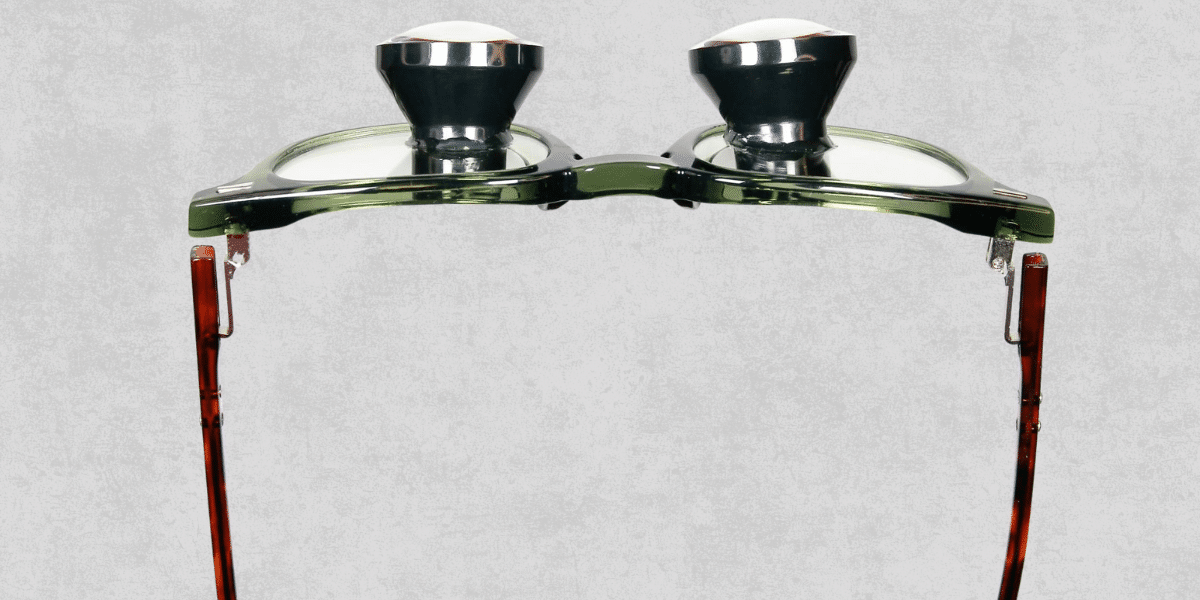


Choosing the right dental loupes can significantly improve your practice by enhancing precision and comfort. Dental loupes are essential tools that provide magnification, allowing you to see finer details and maintain better posture. This guide will help you navigate the key factors to consider when selecting dental loupes, ensuring you make an informed decision that suits your needs and enhances your daily work. Whether you’re a seasoned professional or new to using loupes, understanding these aspects will help you choose the best option for your practice. Let’s dive into the details of what to look for.
What Factors Should You Consider When Choosing Dental Loupes?
When choosing dental loupes, several key factors can significantly impact your comfort and performance. Understanding these elements will help you make an informed decision that best suits your needs.
How Does Magnification Level Affect Your Choice?
Magnification is one of the most crucial aspects to consider. It determines how much detail you can see and directly influences your accuracy. For general dentistry, a magnification level of 2.5x is often sufficient. This level provides a wide field of view, allowing you to see more of the working area without having to move your head constantly. If you need more detail for intricate procedures, you might opt for 3.0x or 3.5x magnification. Higher magnifications like 4.0x and above are typically reserved for specialized tasks such as endodontics or microsurgery. However, higher magnification can also narrow your field of view and increase the need for precision in your movements.
Why is Working Distance Important?
Working distance is the space between your eyes and the patient’s mouth when you’re in a comfortable working position. This distance varies from person to person based on height, posture, and personal preference. It’s essential to measure your ideal working distance accurately because it affects both your ergonomics and the effectiveness of your loupes. If the working distance is too short or too long, you may find yourself bending your neck or leaning forward, which can lead to discomfort or even chronic pain over time. Ensuring ergonomic harmony between your working distance and loupes will help maintain a healthy posture and reduce strain.
By carefully considering these factors, you can find the right dental loupes that enhance your performance and comfort. When making your choice, it’s crucial to consider these factors to ensure you select the best loupes for your practice.
What Frame Styles Are Available and Which is Best for You?
When choosing dental loupes, the frame style is a key consideration. Frames come in various materials like titanium, plastic, and aluminum, each offering different benefits. Titanium frames are lightweight and durable, making them a popular choice for many dentists. Plastic frames, while generally more affordable, may not offer the same level of durability but can still be quite comfortable for shorter procedures.
Consider how the frame fits on your face. Look for adjustable nose pads and temples to ensure a snug, comfortable fit. Frames with a sporty design might offer better stability during dynamic movements, while classic styles might be more suitable for those who prefer a more traditional look.
Ultimately, the best frame for you will depend on your personal comfort, the length of time you’ll be wearing the loupes, and your budget. Make sure to try on different styles to find the one that feels right for you.
What Additional Features Should You Look For?
When choosing dental loupes, it’s essential to consider the extra features that can enhance your practice.
Are Built-in LED Lights Necessary?
Built-in LED lights are a great addition to dental loupes. They provide focused illumination directly on the treatment area, improving visibility and reducing eye strain. This feature is particularly useful during intricate procedures, helping you see fine details clearly.
How Does Weight and Comfort Impact Your Decision?
The weight and comfort of the loupes are crucial, especially for long procedures. Lightweight loupes reduce strain on your neck and shoulders, allowing you to work comfortably for extended periods. Look for ergonomic designs and adjustable nose pads to ensure a secure and comfortable fit. Prioritizing comfort can significantly improve your performance and overall experience in the clinic.
Summary
Choosing the right dental loupes is essential for your practice. Consider factors like magnification level, working distance, frame style, and additional features such as built-in LED lights. By taking these into account, you can ensure better precision, comfort, and overall efficiency in your dental procedures.
Published By: Aize Perez