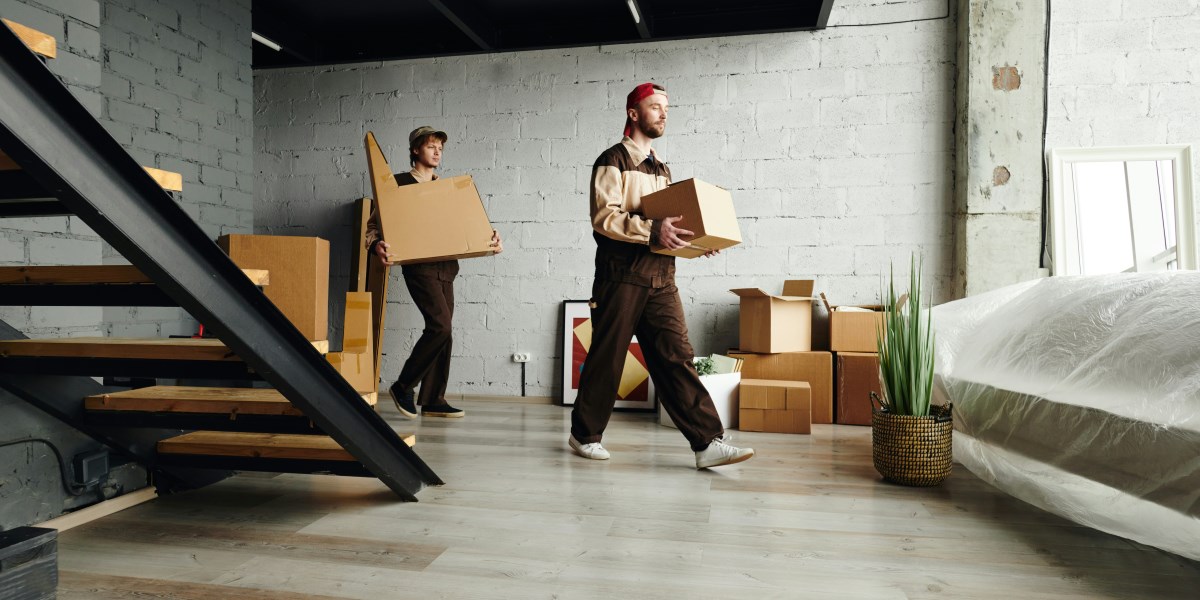


Moving large pieces of furniture can be a challenging task, especially when done without proper planning. Whether you are relocating to a new home or just rearranging your space, taking steps to handle heavy furniture correctly can help improve safety and efficiency. With the right techniques, tools, and preparation, you can often make the process smoother and less stressful.
Preparing for the Move
Before lifting or moving any furniture, it is important to plan. Rushing into the task without assessing the situation may lead to unnecessary strain or damage. Taking the time to evaluate the space, gather the right tools, and prepare properly can often make the process easier.
Assess the Furniture and Pathway
Start by evaluating the size, weight, and shape of each furniture piece you need to move. Check if it can be disassembled, as removing legs, drawers, or other detachable parts may make it easier to carry. Next, examine the pathway from the current location to the new destination. Ensure there are no obstacles like rugs, cords, or clutter that could potentially cause tripping.
Gather the Right Moving Equipment
Using the right tools can often reduce the effort required to move heavy items. Some commonly recommended moving equipment includes:
- Furniture sliders: These can help glide heavy furniture across floors with minimal resistance.
- Moving straps: These may help distribute weight evenly and reduce strain on your back.
- Dollies or hand trucks: A wheeled dolly can be useful when transporting large items.
- Protective padding: Use blankets or bubble wrap to help protect furniture from scratches and damage.
- Work gloves: A good pair of gloves can provide a firmer grip and help prevent slipping.
Having these tools on hand can often make moving easier and may help prevent unnecessary strain.
Proper Techniques for Lifting and Moving
One of the most common mistakes when moving furniture is using improper lifting techniques. Incorrect lifting can sometimes lead to back pain, muscle strain, or even injuries. Understanding how to lift correctly can help move furniture more safely and efficiently.
Lift With Your Legs, Not Your Back
When picking up heavy furniture, it is generally recommended to bend at your knees instead of your waist. Keep your back straight and use the strength of your legs to push upwards. This method may help prevent excessive pressure on your lower back and could reduce the risk of injuries.
Keep the Weight Close to Your Body
Holding heavy objects close to your torso can help maintain balance and may reduce stress on your arms and back. Avoid extending your arms too far or twisting your body while carrying furniture, as this could potentially cause strain.
Work With a Partner
Moving large furniture pieces alone is often difficult and may not be ideal. Having an extra set of hands can make the process easier and safer. Communicate clearly with your moving partner, like storage london ontario, to ensure smooth coordination.
Disassembling Large Furniture for Easier Moving
Many furniture pieces are designed to be taken apart, which can make them easier to move. Removing parts such as table legs, bed frames, or cushions may reduce bulk and weight, allowing for a more manageable moving process.
- Unscrew and detach any removable parts carefully.
- Keep all screws and small parts in labeled bags to help avoid losing them.
- Wrap each disassembled piece in protective padding for added safety.
This approach can help reduce the size of bulky items and may make carrying them through doorways easier.
Protecting Furniture and Floors
During the moving process, both furniture and floors can benefit from proper protection to avoid scratches, dents, and damage. Taking a few precautions can help keep everything in good condition.
- Use blankets or furniture pads to cover delicate surfaces.
- Place cardboard or protective sheets on the floor to help prevent marks from dragging.
- Avoid pushing furniture directly on hardwood or tiled floors, as this could potentially cause scuffing.
Simple protective measures can often help ensure that neither your furniture nor your flooring suffers significant damage during the move.
Using the Right Moving Strategy
Different furniture items may require different moving strategies. Depending on the type of furniture, a specific approach can often make handling them easier.
Moving Sofas and Couches
Large sofas can sometimes be difficult to maneuver, especially through tight doorways. To make the process easier:
- Remove cushions to reduce weight.
- Tilt the sofa slightly to fit through narrow spaces.
- Use furniture sliders to glide it across the floor more easily.
Transporting Tables and Desks
For large tables, consider detaching the legs before moving them. If the table is too heavy, carrying it with the help of a moving strap may help prevent unnecessary strain.
Handling Heavy Dressers and Cabinets
To move a dresser or cabinet with drawers, remove the drawers first to make the structure lighter. If the drawers contain items, take them out or secure them with tape to help prevent them from sliding open.
Loading and Transporting Furniture
Once all furniture is packed and ready to go, the next step is loading it onto the moving vehicle. Taking the right approach can help ensure everything stays secure during transit.
- Start by placing the heaviest and largest furniture pieces first to create a stable base.
- Secure furniture with moving straps to help prevent shifting during transit.
- Use blankets or padding between items to help avoid scratches.
Following these steps can often help ensure that furniture arrives safely at the destination without significant damage.
Unloading and Reassembling
After reaching the destination, unloading furniture should be done carefully to help prevent damage. Follow the same safe lifting techniques while removing items from the vehicle. Reassemble any disassembled furniture by referring to the labeled bags of screws and small parts. Taking your time to put everything back together can make the unpacking process smoother.
Final Tips for a Smooth Moving Experience
Moving heavy furniture requires effort, but a few additional tips can often make the process more efficient.
- Take breaks when needed: Moving heavy furniture is physically demanding, so it’s important to avoid overexertion.
- Stay hydrated: Proper hydration can help maintain energy and focus.
- Wear comfortable clothing: Loose, flexible clothing can allow for easier movement.
By following these small but effective practices, you can often ensure a smoother and safer moving experience.
Summary
By following these practical steps—and considering services like Storage Windsor for secure, temporary storage—you can often move heavy furniture more efficiently while reducing the risk of injury. Proper planning, using the right tools, and maintaining good lifting techniques can make the entire process more manageable and less stressful. Whether you are moving to a new home or simply rearranging your space, a careful and strategic approach can help ensure a smoother experience.
Published by Tom W.