
Hair restoration surgery has become markedly more standardized over the past three decades, but it remains a field where individual surgeons continue to develop proprietary methods for graft harvesting, placement, and density planning. While the biological principles underlying transplantation are widely accepted, the practical details of how grafts are distributed, donor tissue is managed, and visual density is achieved often differ from one practice to another. Those differences have led some physicians to introduce named procedural systems that reflect their own surgical philosophies rather than entirely new medical procedures.
Today’s hair transplantation techniques are based on two concepts: Follicular Unit Transplantation, which is also referred to as FUT, and Follicular Unit Extraction, or FUE. These techniques involve transplanting naturally occurring follicular units rather than the large grafts used in previous decades. Typically, a follicular unit has one to four hairs, but this number can vary from patient to patient. Medical literature widely supports the practice of preserving such natural groupings for cosmetic reasons.
Professional associations, such as the International Society of Hair Restoration Surgery, also confirm the ongoing development of this specialization. According to their surveys on global practices, hundreds of thousands of hair restoration surgeries are performed worldwide each year, indicating the continued popularity of this technique. With the increasing number of procedures, doctors are becoming more concerned about efficiency, donor conservation, and future considerations.
One concept that frequently appears in the published hair restoration literature is visual density. Hair density is not determined solely by the number of transplanted grafts. Hair shaft diameter, hair color, curl pattern, scalp contrast, graft orientation, and distribution all influence how full the final result appears. Because of these variables, two patients receiving identical graft counts may experience noticeably different cosmetic outcomes.
That understanding has influenced surgical planning across the specialty. Rather than distributing grafts evenly throughout the scalp, many surgeons place greater emphasis on strategic allocation. The frontal hairline generally receives careful attention because it frames the face and is the first area most people notice. Areas immediately behind the hairline often become transition zones where density gradually increases, creating a more natural visual progression toward the mid-scalp.
Within this broader framework, individual surgeons have developed proprietary systems intended to organize their own surgical approaches. These methods are generally practice-specific rather than industry standards. Their names vary, but they typically describe combinations of harvesting techniques, graft preparation methods, and placement strategies developed within individual clinics.
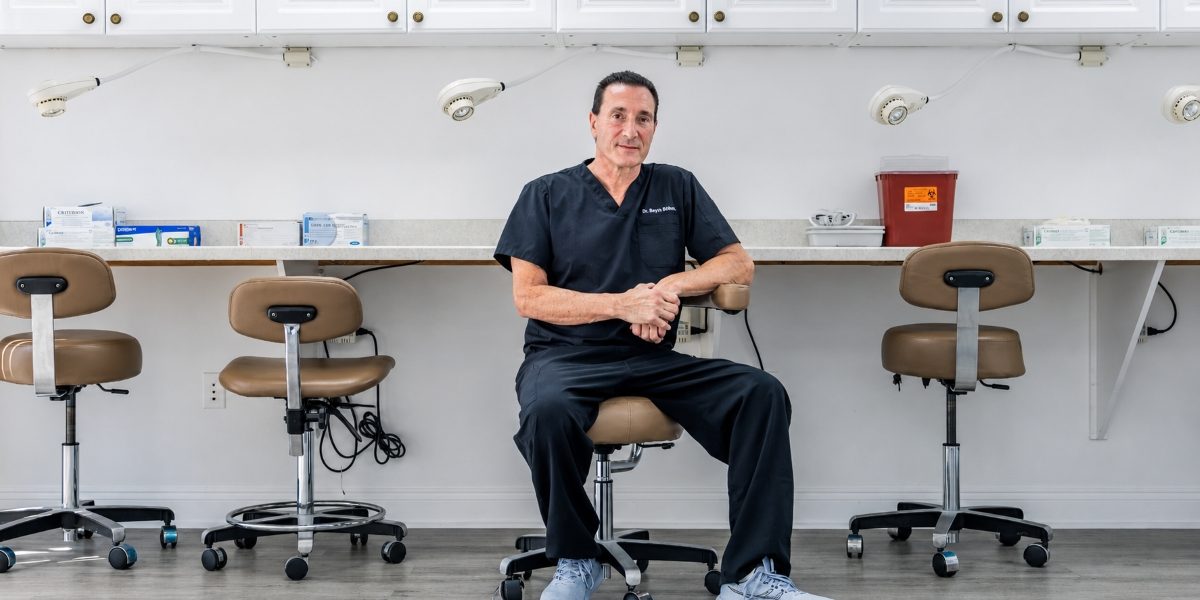
One example is Bolton Bundles, a proprietary method described by Dr. Brett Bolton. According to Bolton’s published materials, the technique involves placing graft groupings that contain multiple follicular units, generally representing approximately four to eight hairs, behind the frontal hairline rather than directly at its leading edge. Bolton describes the approach as an effort to increase density while preserving a softer appearance along the front of the hairline.
The broader concept underlying this approach is not unique to a single practice. Hair restoration specialists have long recognized that hairline design and density distribution require different objectives in different regions of the scalp. Single-hair follicular units are frequently used along the leading edge of the hairline because they can produce a finer appearance. Areas immediately behind that transition zone often permit larger follicular units without creating the abrupt appearance associated with earlier generations of hair transplantation.
Donor management remains another central consideration in modern surgical planning. Every transplant procedure depends on a limited donor supply, usually obtained from the permanent hair-bearing regions along the back and sides of the scalp. Given that donor hair is a nonrenewable resource, surgeons need to balance the demands of current treatments with future hair-loss treatment needs for younger patients.
The demand for long-term planning has led many clinics to develop their own treatment protocols, which typically focus on extraction methods, graft implantation, session size, or donor protection strategies. These approaches often have commercial names, but their efficiency can usually be assessed by results rather than by brand name alone. The scientific literature on the subject usually discusses the principles underlying a procedure rather than a specific technique.
The creation of such proprietary approaches reflects the ongoing tension between innovation and standardization in hair restoration surgery. The biological principles of hair transplantation are well known, but surgeons are still seeking ways to implement them.
In this environment, Bolton Bundles can be considered an example of one proprietary procedure defined by its inventor. The adoption of these techniques relies not only on the experience of the surgeon who developed them, but also on verification and research conducted by others. In the development of hair restoration surgery, third-party assessment plays a key role in making that distinction.
Disclaimer: This article is provided for general informational and educational purposes only and should not be considered medical advice, a recommendation for treatment, or an endorsement of any physician, clinic, proprietary technique, or surgical method. References to Bolton Bundles and other hair restoration approaches are based on publicly available descriptions and are presented for contextual purposes. Proprietary techniques may not represent generally accepted industry standards, and their safety, effectiveness, and suitability may vary by patient and may not have been independently validated to the same extent as established procedures. Readers considering hair restoration surgery should consult a qualified medical professional and independently evaluate the credentials, risks, benefits, alternatives, and supporting evidence associated with any procedure.