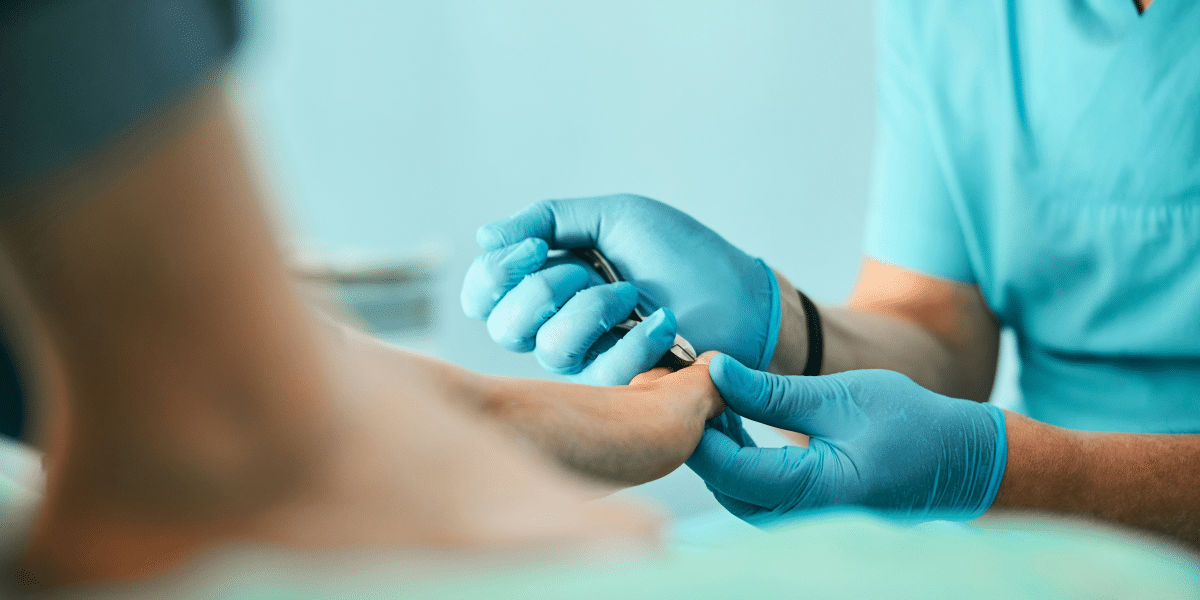


Did you know that improperly trimmed toenails are a common cause of ingrown toenails? The discomfort and pain can be quite bothersome, but fear not, there are ways to alleviate these issues. By understanding the right techniques for treating and preventing ingrown toenails, you can ensure your feet stay healthy and pain-free.
If you’re experiencing persistent problems, consulting a podiatrist Kew can provide expert guidance on proper foot care. Let’s explore some practical tips to help you take care of your toes and avoid this common problem in the future.
Key Takeaways:
- Trim toenails straight across to prevent ingrown toenails.
- Soak feet in warm water for relief from ingrown toenail symptoms.
- Wear comfortable shoes with ample toe room to avoid pressure on toes.
- Practice proper nail care techniques to maintain healthy toenails.
Causes of Ingrown Toenails
When trimming your toenails too short, you risk causing them to grow into the surrounding skin, leading to ingrown toenails. This is one of the primary causes of this painful condition.
Another common cause is wearing shoes that are too tight, putting pressure on the toes and forcing the nails to grow inwards. Additionally, if you frequently engage in activities that involve repeated pressure on the toes, such as kicking a ball or running, you may be more prone to developing ingrown toenails.
Improper nail cutting techniques, like rounding the edges instead of cutting straight across, can also contribute to ingrown toenails. Furthermore, if you have a genetic predisposition to curved toenails, you’re at a higher risk of experiencing this problem.
Keep in mind that poor foot hygiene, such as not keeping your feet clean and dry, can exacerbate the likelihood of ingrown toenails forming. By being mindful of these causes, you can take proactive steps to prevent ingrown toenails and maintain healthy feet.
Signs and Symptoms to Watch For
Look out for redness, swelling, and tenderness around the edges of your toenails as potential signs of ingrown toenails. If you notice these symptoms, especially on the sides of your big toe, it’s essential to address them promptly to prevent further discomfort and potential infection. Ingrown toenails occur when the edge of the nail grows into the surrounding skin, leading to inflammation and pain. In some cases, you may also observe drainage of pus, indicating an infection.
Another common sign to watch for is the presence of skin overgrowth on the affected area. As the skin tries to protect itself from the ingrown nail, it may thicken and form a callus or even a red, swollen bump. This can make wearing shoes or putting pressure on the toe painful and uncomfortable.
Ignoring these signs can worsen the condition, potentially leading to more severe infections. If you experience persistent pain, redness, or swelling around your toenail, consult a healthcare professional for proper diagnosis and treatment.
Home Remedies for Relief
To alleviate discomfort from ingrown toenails at home, try soaking your feet in warm water with Epsom salts. This simple home remedy can help reduce inflammation and tenderness around the affected toenail.
Here are some additional home remedies that may provide relief:
1. Apply a Warm Compress: Place a warm, damp cloth on the ingrown toenail for about 15-20 minutes several times a day to help reduce pain and swelling.
2. Use Antibacterial Ointment: Applying an over-the-counter antibacterial ointment to the affected area can help prevent infection and promote healing.
3. Wear Comfortable Shoes: Opt for open-toed shoes or sandals to reduce pressure on the ingrown toenail and allow for better air circulation.
4. Avoid Cutting the Nail Yourself: Refrain from attempting to trim or cut the ingrown toenail at home, as this can worsen the condition and lead to infection.
Proper Nail Care Techniques
Proper nail care involves keeping your toenails trimmed straight across to help prevent ingrown toenails. When cutting your nails, make sure not to curve them at the edges. Instead, aim to create a straight line to reduce the likelihood of the nail digging into the surrounding skin. It’s essential to use proper nail clippers and avoid cutting them too short, as this can also lead to ingrown toenails.
Regularly inspect your feet and nails for any signs of redness, swelling, or pain, as catching ingrown toenails early can prevent them from worsening. Additionally, keeping your feet clean and dry can help maintain overall foot health and prevent infections that may exacerbate ingrown toenails.
Wearing properly fitted shoes with adequate toe room is also crucial in preventing ingrown toenails. Tight or narrow shoes can put pressure on your toes, increasing the risk of nail irritation. By practicing these simple nail care techniques, you can decrease the chances of developing painful ingrown toenails.
Preventing Ingrown Toenails
To prevent ingrown toenails, prioritize wearing shoes with ample toe room and avoiding tight, narrow footwear. Additionally, there are several key practices you can incorporate into your daily routine to help keep ingrown toenails at bay:
1. Trim your toenails properly: Cut your nails straight across to prevent them from growing into the surrounding skin.
2. Maintain good foot hygiene: Keep your feet clean and dry to prevent infections that could lead to ingrown toenails.
3. Avoid picking at your nails: Refrain from digging into the corners of your nails, as this can increase the risk of ingrown toenails.
4. Choose the right footwear: Opt for shoes that provide ample space for your toes to move freely without being compressed, reducing the likelihood of nail pressure and ingrowth.
Frequently Asked Questions
Can Ingrown Toenails Be a Sign of an Underlying Health Condition?
Ingrown toenails can sometimes indicate an underlying health issue. If you notice persistent or severe ingrown nails, it’s wise to consult a healthcare provider for a thorough evaluation to determine the root cause.
Are There Any Specific Shoes or Footwear That Can Help Prevent Ingrown Toenails?
To prevent ingrown toenails, opt for shoes with a wide toe box to give your toes room. Avoid tight or narrow footwear that squeezes your toes. Properly fitting shoes can reduce the risk of ingrown toenails.
What Are the Potential Complications of Leaving an Ingrown Toenail Untreated?
Leaving an ingrown toenail untreated can lead to infections, abscess formation, and chronic pain. If ignored, complications may worsen, requiring more invasive treatments. It’s important to address ingrown toenails promptly to avoid these risks.
How Long Does It Typically Take for an Ingrown Toenail to Heal With Proper Treatment?
Typically, with proper treatment, an ingrown toenail can take a few weeks to heal. Keep the area clean, soak your foot, and wear comfortable shoes. If pain or infection persists, consult a healthcare provider.
Are There Any Specific Dietary Recommendations That Can Help Prevent Ingrown Toenails?
To prevent ingrown toenails, focus on eating a balanced diet rich in nutrients like vitamins A, C, and E, as well as zinc. Incorporate foods like leafy greens, fruits, nuts, and whole grains for healthier nails.
Published by: Holy Minoza